
The Heroes of Olympus Books in Order
Part ofRick Riordan Books in OrderSee all The Heroes of Olympus books by Rick Riordan in order, with summaries, series background, and advice on how they connect to the Percy Jackson stories.
Last updated:
As an Amazon Associate, we earn from qualifying purchases (at no extra cost to you).
The Heroes of Olympus books in publication order
5 books
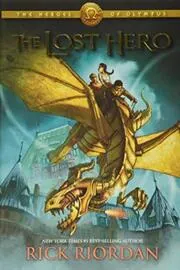
The Lost Hero
by Rick Riordan
2010
Jason wakes up on a school bus with no memory of his past, sitting next to a girl who insists she’s his girlfriend. Brought to Camp Half-Blood with Piper and Leo, he learns that a new prophecy has begun and that the missing Percy Jackson may be the key.
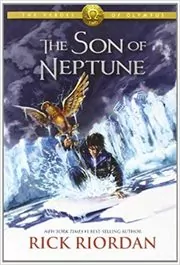
The Son of Neptune
by Rick Riordan
2011
Percy Jackson wakes up in Northern California with no memory and is guided to Camp Jupiter, the Roman counterpart to Camp Half-Blood. There he joins Hazel and Frank on a perilous quest to Alaska to free the death god Thanatos and save the camp.
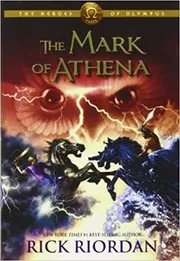
The Mark of Athena
by Rick Riordan
2012
Annabeth finally reunites with Percy aboard the Argo II as Greek and Roman demigods attempt a fragile alliance. Tasked with following the mysterious Mark of Athena into Rome, she and the other six must rescue Nico and recover a legendary statue to prevent war.
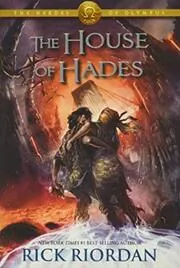
The House of Hades
by Rick Riordan
2013
Separated by the Doors of Death, Percy and Annabeth struggle to survive in Tartarus while their friends sail the Argo II toward Greece. Both groups must find a way to close the Doors from opposite sides before Gaea’s forces overwhelm the mortal world.
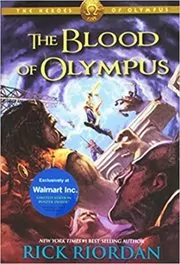
The Blood of Olympus
by Rick Riordan
2014
The final Heroes of Olympus book follows the seven demigods as they race toward Athens to stop Gaea’s awakening while Nico, Reyna, and Coach Hedge struggle to deliver the Athena Parthenos to Camp Half-Blood before war breaks out between Greek and Roman demigods.
The Heroes of Olympus books in chronological order
Series background & context
The Heroes of Olympus series picks up the thread left at the end of The Last Olympian and asks what happens when the gods’ Roman and Greek sides can’t ignore each other anymore. A new Great Prophecy calls for seven demigods to stand together against an enemy older than the Titans: Gaea herself. To make that possible, Riordan pulls his world wide open, introducing a second camp of Roman demigods on the American West Coast and a bigger cast of heroes.
The story unfolds across five books—The Lost Hero, The Son of Neptune, The Mark of Athena, The House of Hades, and The Blood of Olympus—told through rotating points of view. Jason, Piper, and Leo launch the first quest aboard the flying ship Argo II, quickly joined by Percy, Annabeth, Hazel, and Frank. Each book sends them deeper into ancient lands, from Camp Jupiter and Rome to the House of Hades and finally the battlefields around Athens.
The stakes keep rising, but the heart of the series is watching these seven kids learn to trust each other across different backgrounds, loyalties, and even pantheons.
Heroes of Olympus skews a little older than the original Percy Jackson books: there’s more romance, more trauma, and more time spent inside each character’s fears and mistakes. At the same time it keeps the quick banter, monster battles, and road-trip structure that younger readers loved. Moments at Camp Half-Blood and Camp Jupiter offer quieter glimpses of community life—war games, meals, cramped cabins—that make the world feel lived in rather than purely epic.
This page focuses on getting the reading order right and explaining how the series connects to the rest of the Camp Half-Blood Chronicles. If you’ve finished Percy Jackson & the Olympians, you can move straight into The Lost Hero and read the five books in publication order. From there, The Trials of Apollo picks up many of the same characters, so we also note the companion collections and short stories that slot in around the main quest.





Edited by
Software engineer whose passion for tracking book recommendations from podcasts inspired the creation of MRB.
Lead investor at 3one4 Capital whose startup expertise and love for books helped shape MRB and its growth.
Comments
Did we miss something? Have feedback?
Help us improve this page by sharing your thoughts