
Lewis Carroll Books in Order
Discover the whimsical world of Lewis Carroll, from the nonsense of Wonderland to his puzzles and poetry. Includes reading order and biography.
Last updated: December 18, 2025
As an Amazon Associate, we earn from qualifying purchases (at no extra cost to you).
Publication Order
32 books
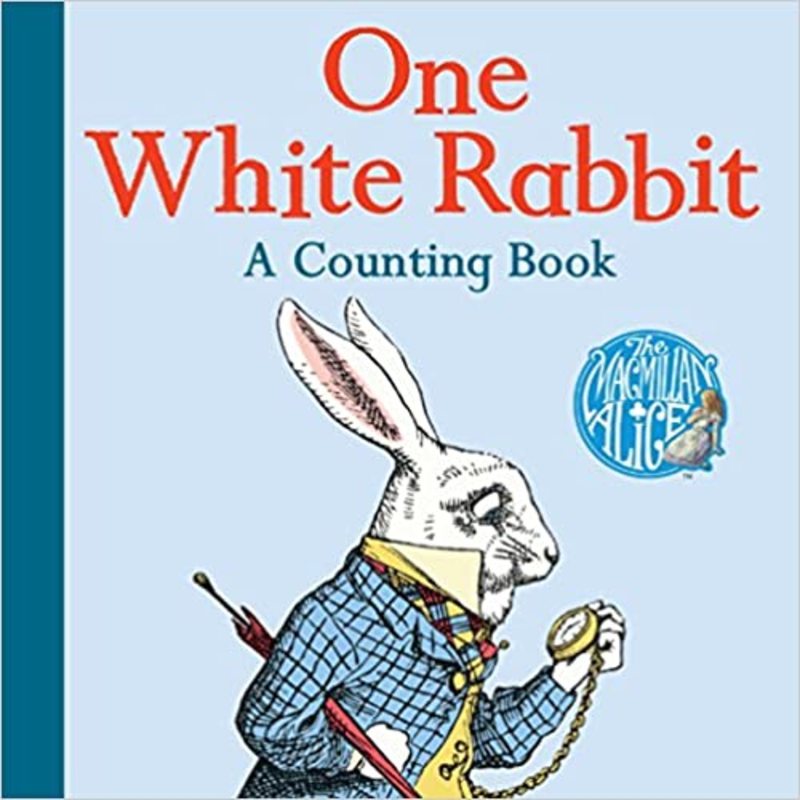
One White Rabbit
by Lewis Carroll
2017
A counting book for toddlers that uses the classic characters and Tenniel's illustrations. It simplifies the chaos of Wonderland into a gentle introduction to numbers and iconic figures like the White Rabbit.
Feeding the Mind
by Lewis Carroll
2017
A short, witty essay in which Carroll argues that the mind needs healthy food just as much as the body does. He warns against "mental gluttony" and suggests a proper diet of reading and reflection.
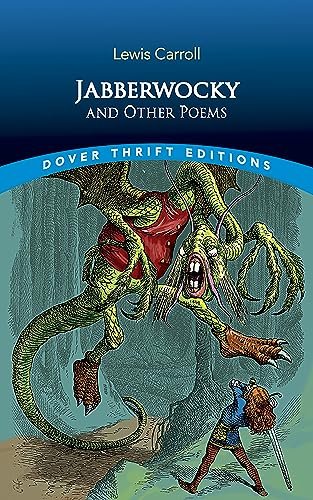
Jabberwocky and Other Poems
by Lewis Carroll
2012
A curated selection of Carroll's verse, headlined by his most famous nonsense poem. It showcases his ability to play with rhythm, rhyme, and invented language to create worlds that are both funny and eerie.
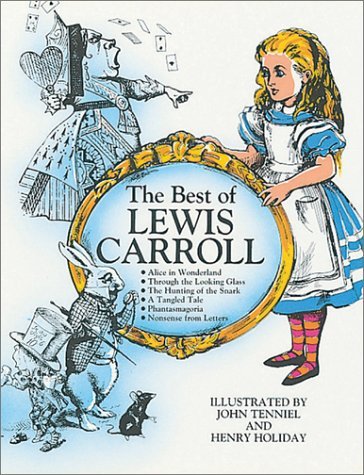
The Best of Lewis Carroll
by Lewis Carroll
2001
A comprehensive anthology collecting Carroll's most celebrated works. It typically includes the full Alice novels, *The Hunting of the Snark*, and selected poems and puzzles, offering a complete overview of his genius.
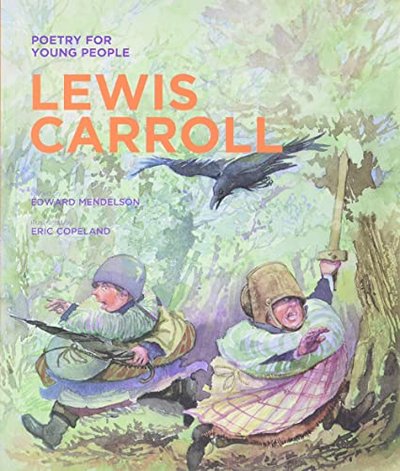
Lewis Carroll
by Lewis Carroll
2000
A collection or biography (depending on the specific edition) that serves as an introduction to the man behind the myths. It highlights his dual nature as a serious logician and a master of nonsense.
Lewis Carroll's Diaries Volume 4
by Lewis Carroll
1997
The fourth volume provides further insight into Dodgson's later life at Oxford. It captures his thoughts on religion, his interactions with illustrators, and his continued literary output.
Lewis Carroll's Diaries Volume 3
by Lewis Carroll
1995
This volume of the diaries covers the mid-Victorian years, documenting his photography, his travels, and the growing fame that followed the success of his children's books.
Lewis Carroll's Diaries Volume 2
by Lewis Carroll
1994
Continuing the personal record of the author's life. This volume covers the period of his deepening friendship with the Liddell family and the creative years leading up to the publication of *Alice*.
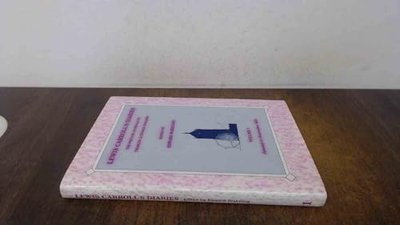
Lewis Carroll's Diaries Volume 1
by Lewis Carroll
1993
The first installment of Dodgson's private journals, covering his early years. Detailed and meticulous, they offer scholars and fans a day-by-day record of his academic life, theater visits, and social circle.

The Crocodile
by Lewis Carroll
1988
The short, famous poem from *Alice's Adventures in Wonderland* that parodies a moralistic Victorian verse. It cheerfully describes a crocodile welcoming little fishes into his gently smiling jaws.
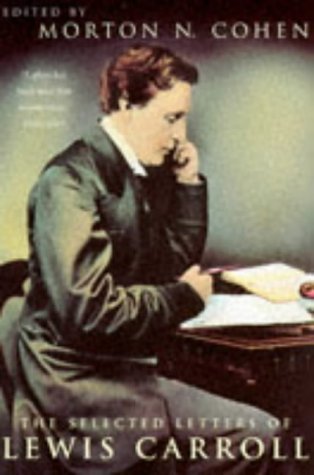
The Selected Letters
by Lewis Carroll
1973
A glimpse into the private life of Charles Dodgson through his correspondence. These letters reveal his friendships, his fussy attention to detail, and the playful tone he often used when writing to children.
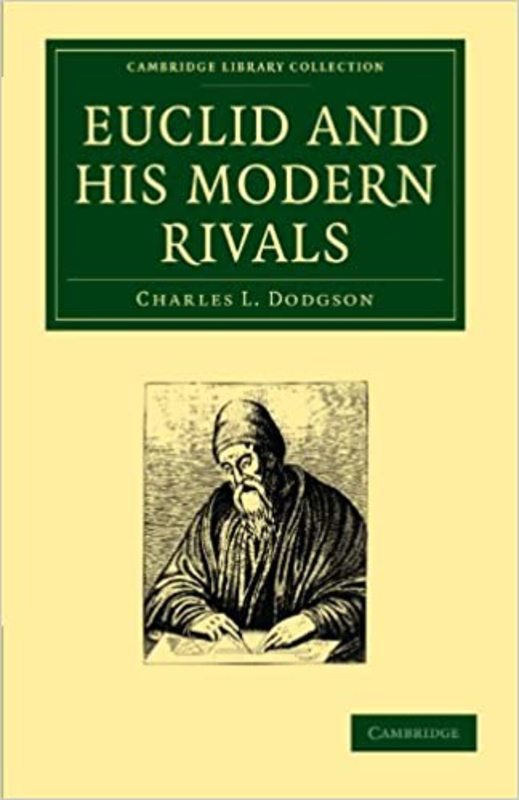
Euclid and His Modern Rivals
by Lewis Carroll
1969
Written in the form of a play, this is a spirited defense of Euclid's geometry manual. The ghost of Euclid returns to argue against modern teaching methods, blending serious mathematics with theatrical dialogue.
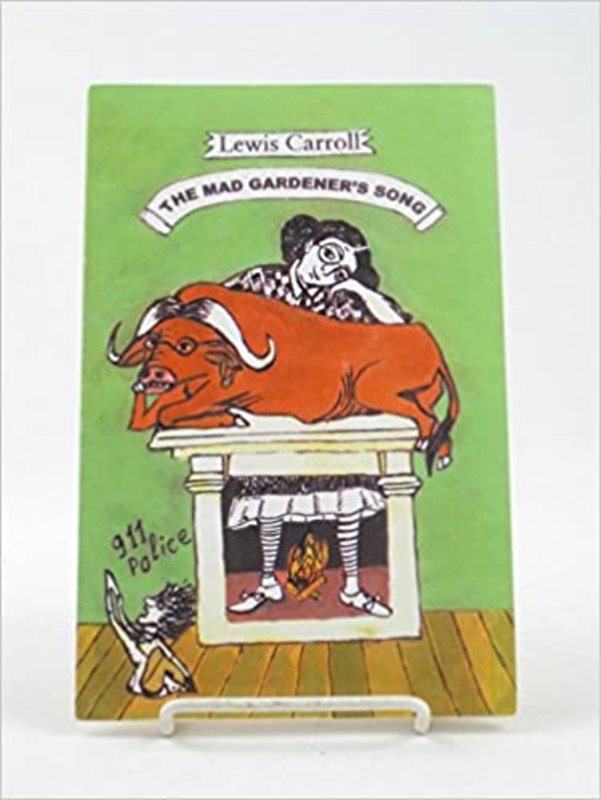
The Mad Gardener's Song
by Lewis Carroll
1967
A standalone presentation of the delightful nonsense verses from *Sylvie and Bruno*. A character repeatedly thinks he sees one thing, looks again, and finds it is something completely different and absurd.
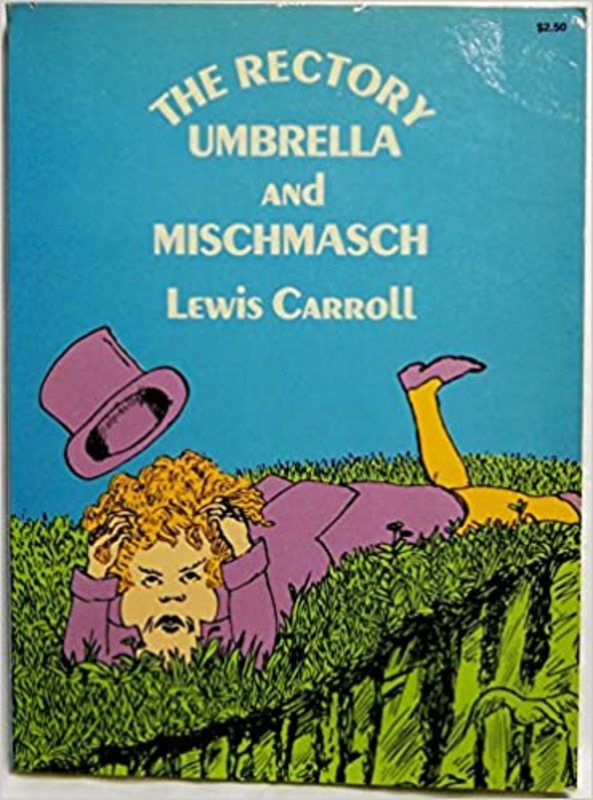
The Rectory Umbrella And Mischmasch
by Lewis Carroll
1932
A peek into the author's childhood genius. These are the family magazines a young Dodgson wrote and illustrated for his siblings, filled with the early sparks of the humor and puzzles that would define his career.
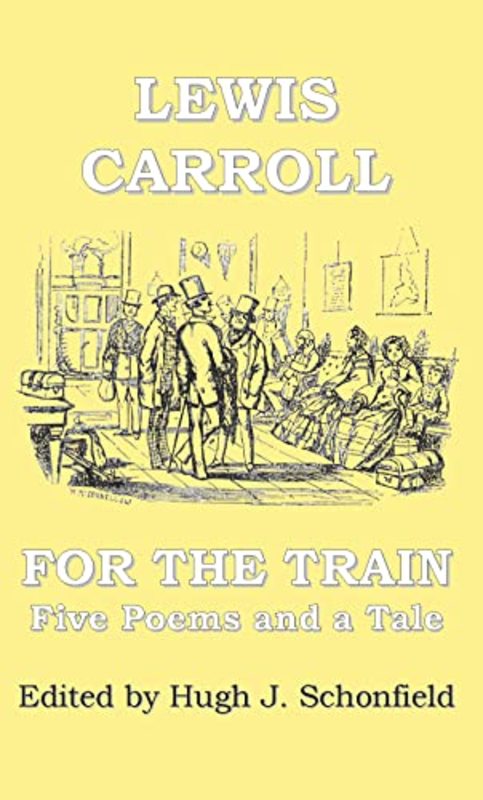
For the Train: Five Poems and a Tale
by Lewis Carroll
1932
A collection of early contributions Carroll made to *The Train*, a Victorian magazine. It includes the poem "Solitude," which was the first piece ever published under the pseudonym Lewis Carroll.
Novelty And Romancement
by Lewis Carroll
1925
A humorous short story about a man hungering for poetry and adventure in his life. He thinks he has found it in a shop sign, only to discover a mundane reality hidden by a missing space.
Three Sunsets and Other Poems
by Lewis Carroll
1899
A collection of Carroll's serious verse, showcasing a more melancholic and romantic side of the author. Far removed from his famous nonsense, these poems explore themes of love, shadows, and sentiment.
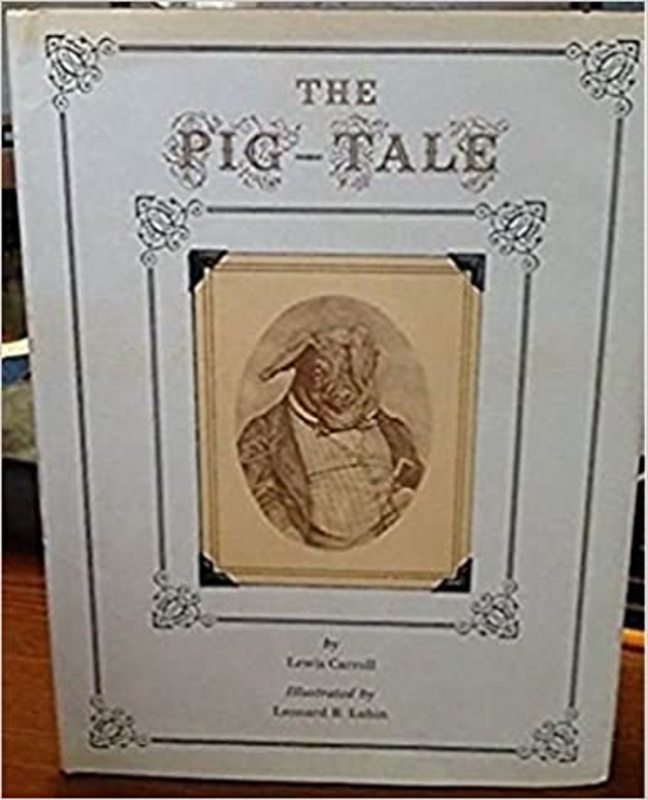
The Pig-Tale
by Lewis Carroll
1893
Extracted from *Sylvie and Bruno*, this nonsense poem tells the cautionary (and ridiculous) story of a pig who wants to jump. It is a lighthearted example of Carroll's gift for rhythmic verse.
Sylvie and Bruno Concluded
by Lewis Carroll
1893
The conclusion to the duology brings together the threads of the human romance and the fairy court intrigues. It features more of Bruno's baby-talk, social philosophy, and the famous song about a "Mad Gardener."
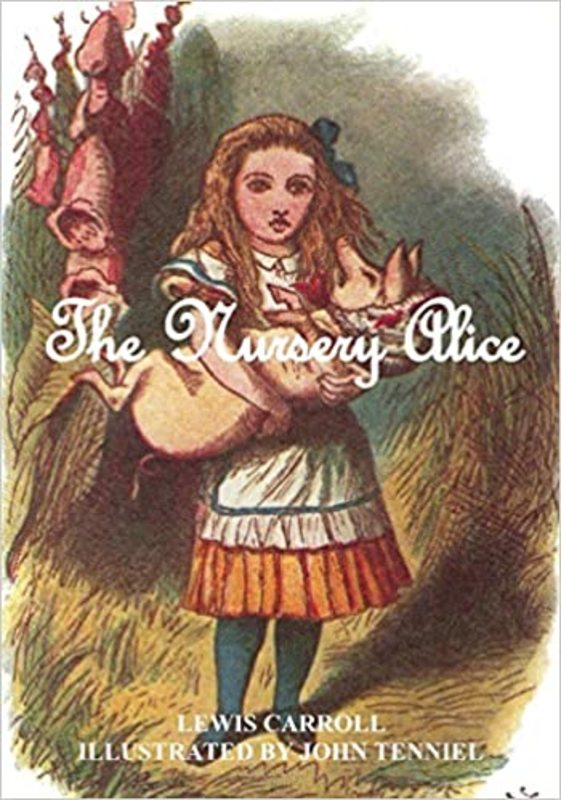
The Nursery
by Lewis Carroll
1889
Carroll adapted his own famous tale for "children from Nought to Five." This shortened version features larger illustrations and a simpler, more conversational tone suited for the very youngest readers.
Sylvie And Bruno
by Lewis Carroll
1889
The first volume of Carroll's ambitious social fairy tale. A historian narrator drifts between Victorian society and a magical realm, observing the adventures of the sweet fairy Sylvie and her mischievous brother Bruno.
A Tangled Tale
by Lewis Carroll
1885
A collection of ten humorous short stories, or "knots," each containing a hidden mathematical problem. Originally published as a magazine challenge, this book blends Carroll's love for logic with his storytelling wit.
The Wasp In A Wig
by Lewis Carroll
1877
A "lost" chapter originally written for *Through the Looking Glass* but suppressed before publication. Alice meets a grumpy, elderly wasp complaining about his yellow wig. A fascinating glimpse into the editing process of the classic.
The Hunting of the Snark
by Lewis Carroll
1876
A magnificent nonsense epic about a motley crew—including a Bellman, a Baker, and a Beaver—searching for a mysterious creature called a Snark. It is funny, rhythmic, and famously ends with a "Boojum."
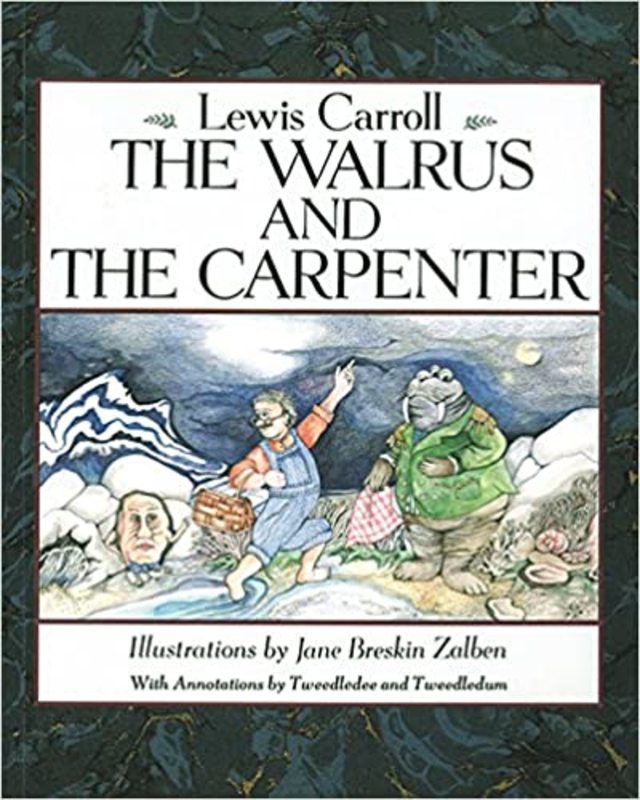
The Walrus and the Carpenter
by Lewis Carroll
1872
One of Carroll's most famous nonsense poems, originally found in *Through the Looking Glass*. It tells the slightly dark but comical tale of two characters who invite a group of young oysters for a walk on the beach.
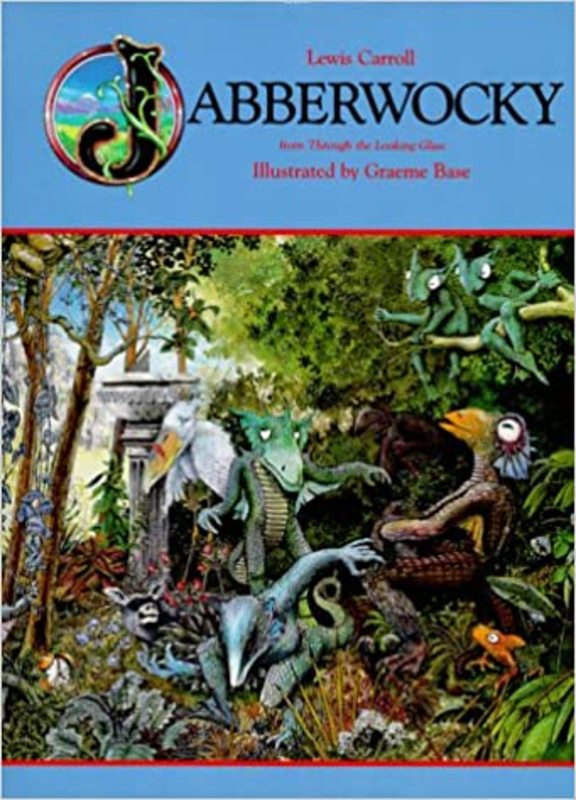
Jabberwocky
by Lewis Carroll
1872
The ultimate nonsense poem. Using invented words like "frabjous" and "vorpal," it recounts a hero's quest to slay the fearsome Jabberwock. A masterpiece of sound and imagination that makes sense even when the words don't.
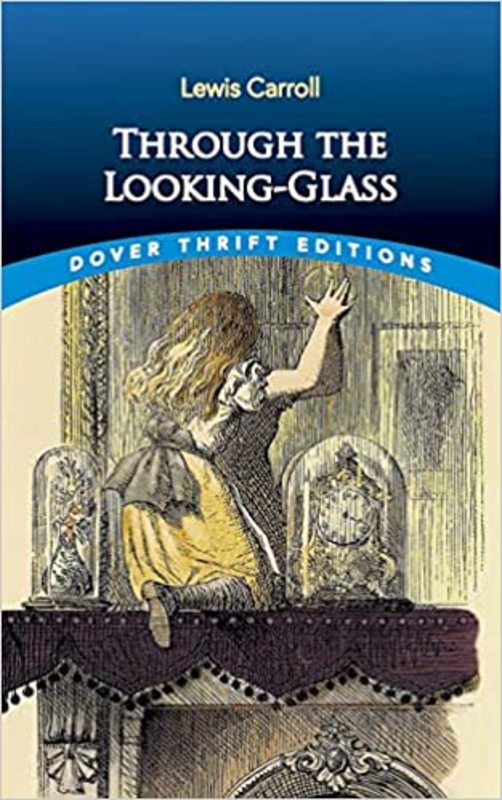
Through the Looking Glass and What Alice Found There
by Lewis Carroll
1871
Alice steps through a mirror into a world laid out like a giant chess board. To become a Queen, she must travel across the squares, meeting Tweedledum and Tweedledee, Humpty Dumpty, and the Red Queen along the way.
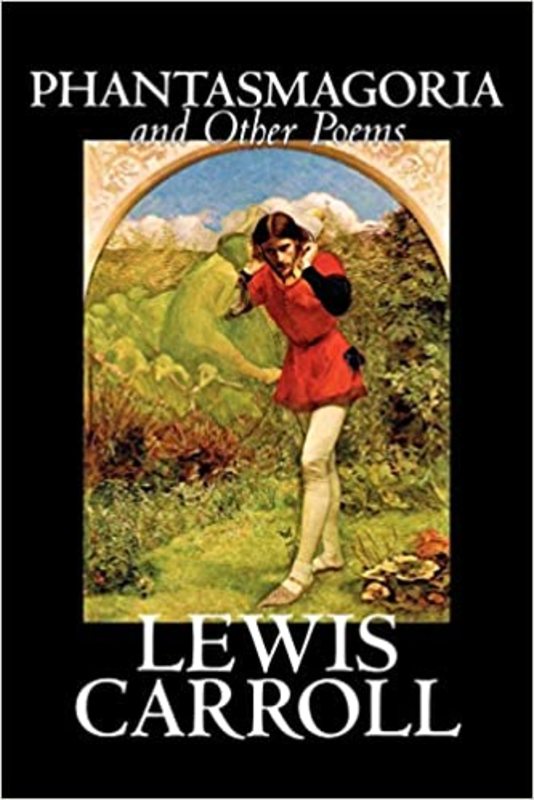
Phantasmagoria and Other Poems
by Lewis Carroll
1869
A humorous narrative poem in which a ghost explains the strict rules and etiquette of haunting to a bewildered householder. The collection also includes several of Carroll's other witty and whimsical verses.
Bruno's Revenge
by Lewis Carroll
1867
A short fairy story originally published in *Aunt Judy's Magazine*. It introduces the sweet, mischievous fairy Bruno and serves as the seed that eventually grew into the massive *Sylvie and Bruno* novels.
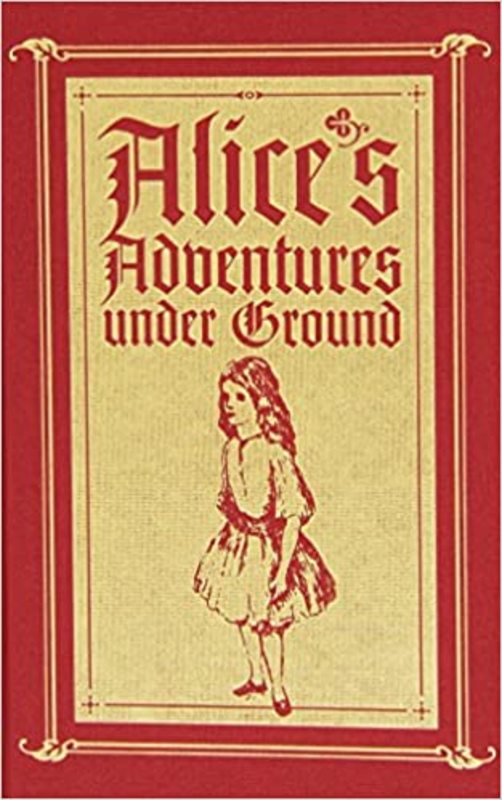
Alice's Adventures Under Ground
by Lewis Carroll
1865
This is the facsimile of the original handwritten manuscript that Carroll gave to Alice Liddell. It features his own illustrations and the early, shorter version of the story that would later become the worldwide classic.
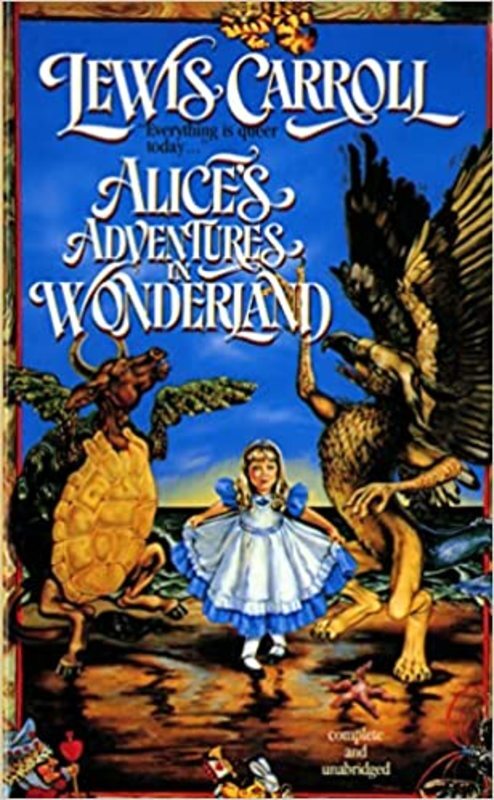
Alice's Adventures in Wonderland
by Lewis Carroll
1865
When young Alice chases a White Rabbit down a hole, she lands in a surreal world of changing sizes and nonsensical creatures. She must navigate tea parties, croquet games, and a trial, all while trying to keep her head.
Recommended by:
Naval Ravikant, Richa Chadha, Russell Brand, Sahil Lavingia, Salman Rushdie
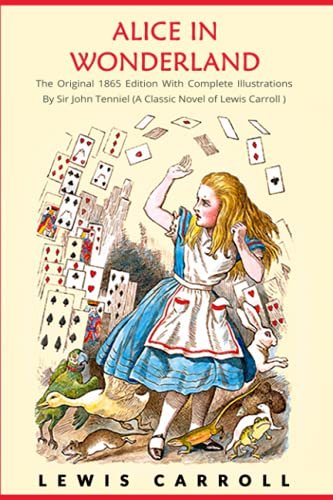
Alice in Wonderland
by Lewis Carroll
1862
The classic tale of a girl who falls into a fantasy world of anthropomorphic creatures. This edition presents the timeless story of the White Rabbit, the Mad Hatter, and the Queen of Hearts.
Where should I start?
If you are new to his world: Alice's Adventures in Wonderland → Through the Looking Glass.
If you enjoy nonsense poetry: The Hunting of the Snark → Jabberwocky.
If you like puzzles and curiosities: A Tangled Tale → Sylvie and Bruno.
Author bio
Lewis Carroll is a name everyone knows, but the man behind it is a bit of a puzzle. His real name was Charles Lutwidge Dodgson. By day, he was a serious mathematics teacher at Oxford University. By night—or rather, during his free afternoons—he was the creator of some of the wildest, most imaginative stories ever written.
He lived a life of contrasts. To the academic world, he was a slightly stuffy lecturer who published dry books on geometry and logic. To his friends and their children, he was a brilliant entertainer who could turn the world upside down with a single sentence.
Born in Cheshire, he was the eldest boy in a massive family. He had ten siblings to look after. To keep everyone entertained, he became a master inventor. He created homemade magazines, built marionette theaters, and invented word games to pass the long evenings. This childhood, filled with noise and imagination, was the perfect training ground for his future writing.
He spent almost his entire adult life at Christ Church, a college in Oxford. He was a creature of habit. He lectured on math, lived in the same rooms for decades, and never married. He was also a deacon, though he never became a full priest.
In public, Dodgson was often shy and struggled with a stammer. However, around children, that shyness often vanished. He became a confident storyteller, ready to whisk his young listeners away to impossible places.
The most famous of those places was discovered on a boat ride.
On a golden summer afternoon in 1862, he went rowing up the river Isis with the three daughters of his friend, Dean Liddell. The middle daughter was ten-year-old Alice. As they rowed, she asked for a story with nonsense in it. Dodgson began to spin a tale about a girl who chases a White Rabbit down a hole and lands in a world where nothing makes sense.
Alice loved it. She begged him to write it down for her. It took him a while, but he eventually hand-wrote the story and even drew his own illustrations. Later, he polished the text and hired a professional artist.
When Alice's Adventures in Wonderland was finally published, it was a smash hit. It was different from other children's books of the time. It didn't try to teach a moral lesson or tell kids how to behave. It was just pure, chaotic fun.
Writing wasn't his only talent. Dodgson was also a pioneer in photography. In the Victorian era, taking a photo was a difficult, messy process involving heavy glass plates and dangerous chemicals. Yet, he mastered it. He took hundreds of beautiful portraits of children, family members, and famous people of his day. He captured them with a natural, relaxed look that was very rare for the time.
He kept writing until the end of his life, blending his love for math with his love for wordplay.
In Through the Looking-Glass, he turned the world into a giant chess game where Alice travels across the board to become a Queen. In The Hunting of the Snark, he wrote a long, funny poem about a crew searching for an imaginary creature.
His work remains special because it treats nonsense with total seriousness. The characters in his books often follow strict rules of logic, even if that logic leads to totally absurd results. Charles Dodgson died in 1898, but Lewis Carroll lives on, reminding us that sometimes the best way to understand the world is to look at it through a looking-glass.



Edited by
Software engineer whose passion for tracking book recommendations from podcasts inspired the creation of MRB.
Lead investor at 3one4 Capital whose startup expertise and love for books helped shaped MRB and its growth.
Comments
Did we miss something? Have feedback?
Help us improve this page by sharing your thoughts