
JRR Tolkien Books in Order
Explore JRR Tolkien's books in order, with reading guides, story summaries, series timelines, and tips on where to start with Middle-earth and beyond.
Last updated:
As an Amazon Associate, we earn from qualifying purchases (at no extra cost to you).
JRR Tolkien books in publication order
47 books
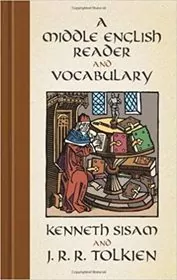
A Middle English Reader and Vocabulary
by J. R. R. Tolkien
1921
An essential study volume pairing a wide selection of fourteenth‑century verse and prose with Tolkien’s detailed Middle English vocabulary, ideal for readers who want to tackle original medieval texts with expert help.
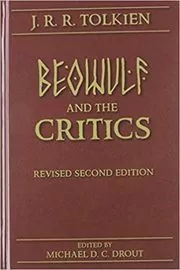
Beowulf and the Critics
by J. R. R. Tolkien
1936
Presents two full versions of Tolkien’s long Beowulf lecture series with extensive notes, offering deep insight into his influential view of the poem and its monsters, and into the scholarly thinking that shaped his own fiction.
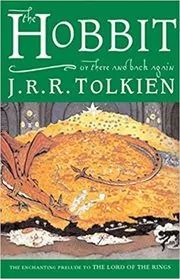
The Hobbit
by J. R. R. Tolkien
1937
Bilbo Baggins, a comfort‑loving hobbit, is swept into an unlikely quest with a band of dwarves and the wizard Gandalf to reclaim a stolen treasure from the dragon Smaug, discovering courage and a mysterious ring along the way.
Recommended by
2 people Jon Favreau recommended this book
Jon Favreau
"It was an important book to me." - Jon Favreau
Jon Favreau's recommendation of this book  Richard Branson recommended this book
Richard Branson
Richard Branson recommended this book on his "70 must-read books" blog post.
Richard Branson's recommendation of this book
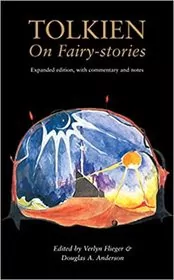
Tolkien on Fairy-Stories
by J. R. R. Tolkien
1939
Expanded edition of Tolkien’s classic essay On Fairy‑Stories, complete with commentary, manuscript variants, and background material, exploring what fairy‑tales are, why we tell them, and how fantasy can offer joy and consolation.
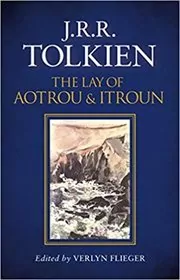
The Lay of Aotrou and Itroun
by J. R. R. Tolkien
1945
A narrative poem in the mode of a Breton lay, telling how a childless lord bargains with a mysterious witch for an heir and then pays a heavy price, blending chivalric setting, Celtic myth, and a stern Christian moral.
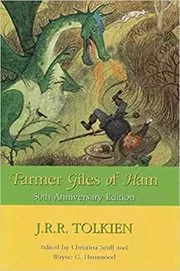
Farmer Giles of Ham
by J. R. R. Tolkien
1949
A comic medieval yarn about Farmer Giles, an unheroic countryman who accidentally becomes a dragonslayer and local lord when a blundering giant and a vain, gold‑loving dragon disturb the peace of his quiet valley.
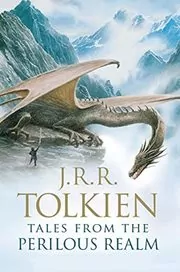
Tales from the Perilous Realm
by J. R. R. Tolkien
1949
Definitive collection of Tolkien’s shorter fantasies, bringing together Roverandom, Farmer Giles of Ham, The Adventures of Tom Bombadil, Smith of Wootton Major, and Leaf by Niggle, with illustrations that highlight the shared perilous realm they explore.
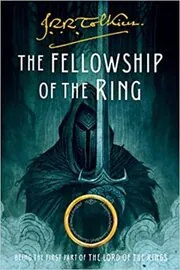
The Fellowship of the Ring
by J. R. R. Tolkien
1954
Frodo Baggins inherits the One Ring and, guided by Gandalf, must leave the Shire and join a fellowship of allies to carry it toward Mordor, while dark riders and growing war begin to shadow Middle‑earth.
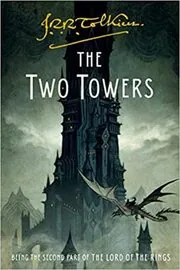
The Two Towers
by J. R. R. Tolkien
1954
After the Fellowship is broken, Aragorn, Legolas, and Gimli race to aid the horse‑lords of Rohan, while Frodo and Sam, led by the treacherous Gollum, struggle toward Mordor’s borders through barren lands and ancient ruins.
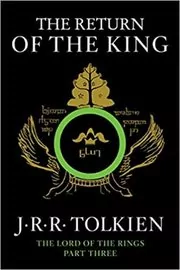
The Return of the King
by J. R. R. Tolkien
1955
The war for Middle‑earth reaches its height as Sauron’s armies assault Gondor, Aragorn claims his destiny, and Frodo and Sam make a final, exhausting push into Mordor in the hope of destroying the Ring once and for all.
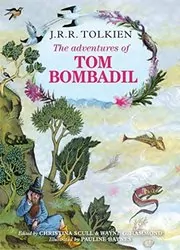
The Adventures of Tom Bombadil
by J. R. R. Tolkien
1962
Gathering sixteen poems supposedly from the Red Book, this volume includes two rollicking pieces about Tom Bombadil plus a mix of comic, eerie, and lyrical verses about trolls, cats, sea journeys, and other corners of Middle‑earth.
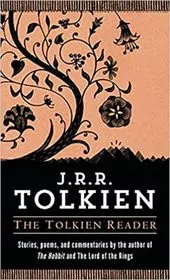
The Tolkien Reader
by J. R. R. Tolkien
1966
Compact sampler that brings together Tree and Leaf (with On Fairy‑Stories and Leaf by Niggle), Farmer Giles of Ham, and The Adventures of Tom Bombadil, offering a handy introduction to Tolkien’s shorter fiction and ideas about fairy‑stories.
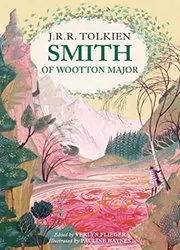
Smith of Wootton Major
by J. R. R. Tolkien
1967
Quiet, haunting novella about a village smith who, after swallowing a star hidden in a festive cake, gains the gift of travelling into Faery, and must one day surrender that gift so another child can follow after him.
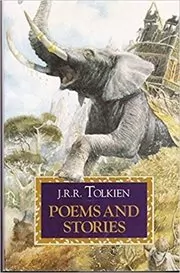
Poems and Stories
by J. R. R. Tolkien
1971
Anthology that combines The Adventures of Tom Bombadil, Leaf by Niggle, Farmer Giles of Ham, Smith of Wootton Major, The Homecoming of Beorhtnoth Beorhthelm’s Son, and the essay On Fairy‑Stories, showcasing Tolkien’s shorter fiction and key ideas about fantasy.
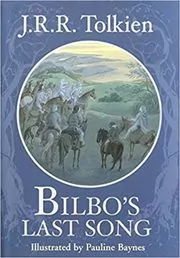
Bilbo's Last Song
by J. R. R. Tolkien
1974
A brief farewell poem in which an aged Bilbo Baggins, about to sail from the Grey Havens, looks back on his journeys and forward to the West, often read as a gentle epilogue to The Lord of the Rings.
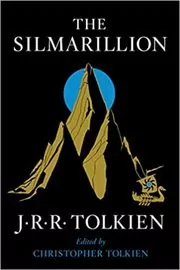
The Silmarillion
by J. R. R. Tolkien
1977
Tolkien’s grand mythic history of the First and Second Ages, recounting the creation of the world, the forging and theft of the Silmarils, the wars against Morgoth, and the rise and fall of Númenor, setting the deep background to The Lord of the Rings.
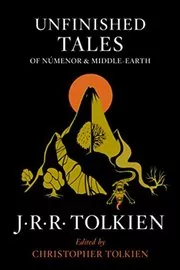
Unfinished Tales Of Numenor And Middle-Earth
by J. R. R. Tolkien
1980
Collection of longer narratives and essays that expand The Silmarillion and The Lord of the Rings, including stories of Númenor, the Istari, the Kings of Rohan, and many other episodes Tolkien never fully wove into his main books.
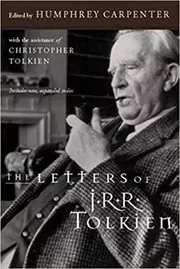
The Letters of J.R.R. Tolkien
by J. R. R. Tolkien
1981
Substantial selection of Tolkien’s correspondence, ranging from family letters and professional exchanges to detailed replies to readers, illuminating how he thought about Middle‑earth, language, faith, and the long making of his books.
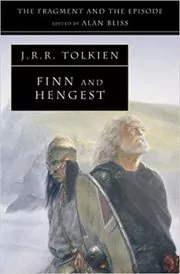
Finn and Hengest
by J. R. R. Tolkien
1982
Edition of Tolkien’s lectures on the Old English Finn and Hengest material, combining translations, commentary, and argument about how these fragmentary poems preserve memories of real early English history.
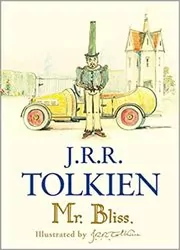
Mr Bliss
by J. R. R. Tolkien
1982
A whimsical picture‑story about Mr Bliss, an absent‑minded gentleman whose purchase of a motor‑car leads to a series of chaotic adventures with bears, neighbours, and irritated townsfolk, all told in a playful, fairy‑tale style.
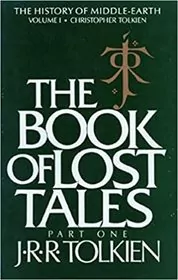
The Book of Lost Tales, Part One
by J. R. R. Tolkien
1983
First volume in The History of Middle-earth, gathering Tolkien’s earliest stories about the creation of the world, Valinor, and the first Elves, all framed as tales told to a mariner who has sailed to the Lonely Isle.
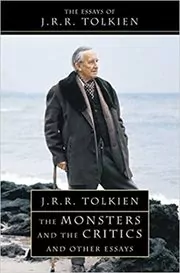
The Monsters and the Critics
by J. R. R. Tolkien
1983
Collects seven of Tolkien’s most important scholarly pieces, including the landmark lecture Beowulf: The Monsters and the Critics and the essay On Fairy‑Stories, revealing how his academic work fed directly into his imaginative writing.
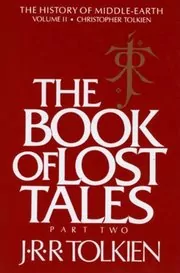
The Book of Lost Tales, Part Two
by J. R. R. Tolkien
1984
Companion to Part One, collecting early versions of the legends of Beren and Lúthien, Túrin Turambar, the Fall of Gondolin, and other First Age tales, with Christopher Tolkien’s commentary tracing how they evolved into The Silmarillion.
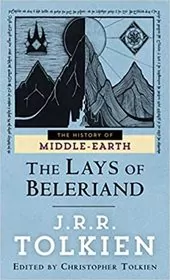
The Lays of Beleriand
by J. R. R. Tolkien
1985
Offers Tolkien’s long narrative poems on the tragic stories of Túrin and of Beren and Lúthien, plus several shorter fragments, giving a poetic, experimental look at key First Age legends that later appear in prose.
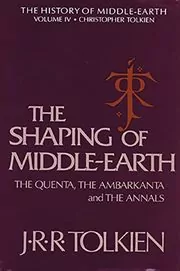
The Shaping of Middle-earth
by J. R. R. Tolkien
1986
Follows the growth of Tolkien’s mythology through early versions of the Quenta Silmarillion, cosmological essays, maps, and annals, showing how the history and geography of Middle‑earth gradually settled into familiar form.
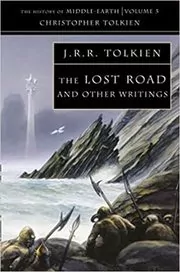
The Lost Road and Other Writings
by J. R. R. Tolkien
1987
Combines the unfinished time‑travel story The Lost Road, which links modern England to the downfall of Númenor, with linguistic essays, annals, and other texts that bridge the early myths and the world of The Lord of the Rings.
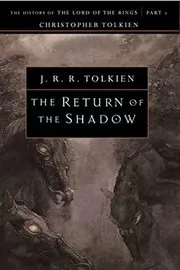
The Return of the Shadow
by J. R. R. Tolkien
1988
Volume six of The History of Middle-earth, tracing the earliest phases of The Lord of the Rings from Bilbo’s long‑expected party through the flight from the Shire and into Moria, with many alternative plot lines and character sketches.
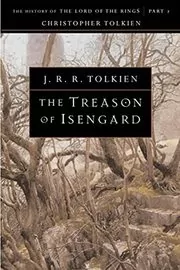
The Treason of Isengard
by J. R. R. Tolkien
1989
Seventh volume of The History of Middle-earth and second in The History of The Lord of the Rings, following the story from Moria through Lothlórien and Rohan, charting the emergence of Saruman, the Ents, and the Riders of Rohan in successive drafts.
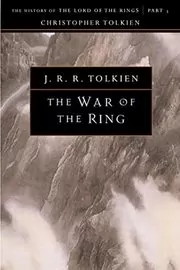
The War of the Ring
by J. R. R. Tolkien
1990
Eighth volume of The History of Middle-earth, covering drafts of The Lord of the Rings from Helm’s Deep and the flooding of Isengard through Frodo and Sam’s path toward Cirith Ungol and the great battles before the Black Gate.
Sauron Defeated
by J. R. R. Tolkien
1992
Ninth volume of The History of Middle-earth, completing the History of The Lord of the Rings with drafts from the Tower of Cirith Ungol to the Scouring of the Shire, and adding the time‑traveling Notion Club Papers and writings on Númenor.
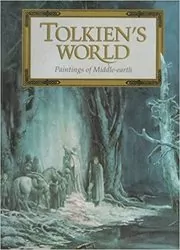
Tolkien's World
by J. R. R. Tolkien
1992
An art book presenting dozens of paintings of Middle‑earth by illustrators such as Alan Lee, John Howe, and Ted Nasmith, each paired with a passage from Tolkien’s text, giving a richly visual tour of key scenes and landscapes.
Morgoth's Ring
by J. R. R. Tolkien
1993
Volume ten of The History of Middle-earth, gathering later Silmarillion writings, the Annals of Aman, essays on Elvish customs and death, and the Myths Transformed texts where Tolkien rethinks Morgoth, Sauron, and the nature of evil.
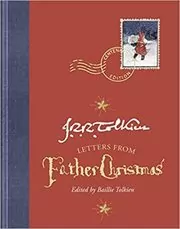
Letters from Father Christmas
by J. R. R. Tolkien
1994
Collects Tolkien’s beautifully illustrated letters from Father Christmas to his children, full of North Pole mishaps, goblin attacks, and the antics of the North Polar Bear, blending cosy family detail with whimsical fantasy.
The War of the Jewels
by J. R. R. Tolkien
1994
Eleventh volume of The History of Middle-earth, continuing the later Silmarillion texts with detailed accounts of the wars of Beleriand, writings on the awakening of the Elves and the fate of Húrin, and extensive linguistic and name studies.
The Peoples of Middle-Earth
by J. R. R. Tolkien
1996
Final volume of The History of Middle-earth, assembling late essays and drafts on the peoples, languages, calendars, and stories of Middle‑earth, plus early versions of the prologue and appendices to The Lord of the Rings.
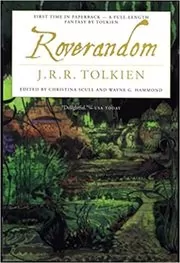
Roverandom
by J. R. R. Tolkien
1998
Children’s tale about a young dog turned into a toy by a grumpy wizard, who then travels to the Moon and under the sea in search of a way to become a real dog again, meeting dragons, sea‑kings, and strange creatures.
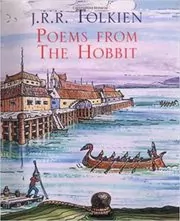
Poems From The Hobbit
by J. R. R. Tolkien
1999
Miniature collection of the songs, verses, and riddles from The Hobbit, presented together with Tolkien’s own illustrations, ideal for readers who enjoy the lyrical side of Bilbo’s journey.
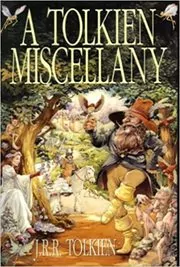
A Tolkien Miscellany
by J. R. R. Tolkien
2002
Omnibus collection that brings together shorter works such as Farmer Giles of Ham, Smith of Wootton Major, Tree and Leaf, The Adventures of Tom Bombadil, and Tolkien’s translations of Sir Gawain, Pearl, and Sir Orfeo in one volume.
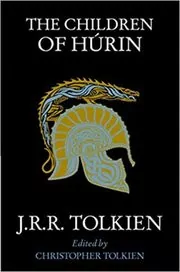
The Children of Hurin
by J. R. R. Tolkien
2007
A stand‑alone prose version of one of Tolkien’s Great Tales, following Túrin and his sister Niënor as they struggle against the curse laid on their family by Morgoth, in a sombre First Age tragedy of pride, doom, and a deadly dragon.
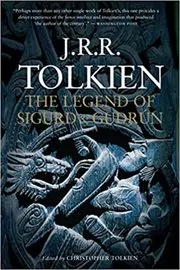
The Legend of Sigurd & Gudrún
by J. R. R. Tolkien
2009
Two long narrative poems that re‑imagine the Norse legends of Sigurd the dragon‑slayer and the doomed house of the Niflungs, written in alliterative metre and accompanied by Christopher Tolkien’s extensive notes.
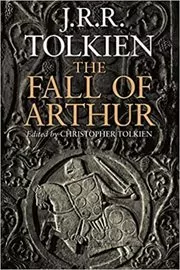
The Fall of Arthur
by J. R. R. Tolkien
2013
An unfinished alliterative poem that retells the end of King Arthur’s story, sending him on a final campaign against Saxon enemies while tensions between Lancelot, Guinever, and Mordred slowly bring Camelot to ruin.
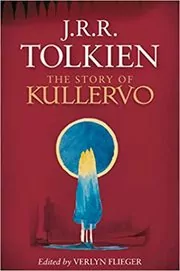
The Story of Kullervo
by J. R. R. Tolkien
2015
Early, dark prose retelling of the Finnish Kullervo legend that fascinated Tolkien, printed with his notes and essays on the Kalevala, and often seen as a forerunner of the tragic story later told in The Children of Húrin.
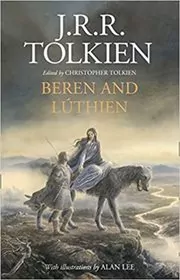
Beren and Lúthien
by J. R. R. Tolkien
2017
Reconstructs, through multiple drafts and notes, the story of the mortal man Beren and the Elf‑maiden Lúthien, who dare to steal a Silmaril from Morgoth’s crown, showing how this central legend changed across Tolkien’s life.
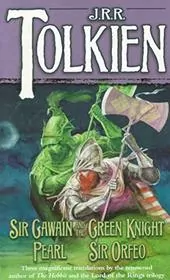
Sir Gawain and the Green Knight, Pearl, and Sir Orfeo
by J. R. R. Tolkien
2021
Tolkien’s vivid verse translations of three major Middle English poems: the chivalric testing of Sir Gawain, the visionary lament of Pearl, and the fairy‑haunted rescue tale of Sir Orfeo, each with notes and commentary.
J.R.R. Tolkien 4-Book Boxed Set
by J. R. R. Tolkien
The Hobbit, or There and Back Again
by J. R. R. Tolkien
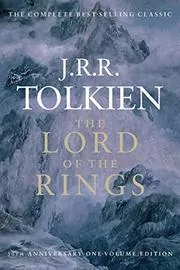
The Lord of the Rings
by J. R. R. Tolkien
Recommended by
1 person Paul Krugman recommended this book
Paul Krugman
"About orcs." - Paul Krugman
Paul Krugman's recommendation of this book
Where to start with JRR Tolkien
If you’re new to Middle-earth: The Hobbit → The Fellowship of the Ring → The Two Towers → The Return of the King.
If you want the big mythic backstory: The Silmarillion → Unfinished Tales Of Numenor And Middle-Earth → The Children of Húrin.
If you love drafts and deep lore: The Book of Lost Tales, Part One → The Book of Lost Tales, Part Two → The Lays of Beleriand → The Shaping of Middle-earth.
If you prefer shorter standalone tales: Farmer Giles of Ham → Smith of Wootton Major → Roverandom → Tales from the Perilous Realm.
If you’re curious about Tolkien the scholar: The Monsters and the Critics → Tolkien on Fairy-Stories → The Letters of J.R.R. Tolkien.
JRR Tolkien sub-series and character series
The History of Middle Earth books in order
Explore this seriesThe History of Middle Earth books in chronological order
The Lord of the Rings books in order
Explore this seriesThe Lord of the Rings books in chronological order
Standalone J. R. R. Tolkien books
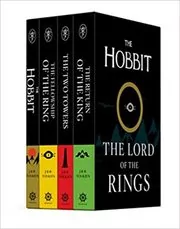
J.R.R. Tolkien 4-Book Boxed Set
by J. R. R. Tolkien
Publication date unknownThe Hobbit and The Lord of the Rings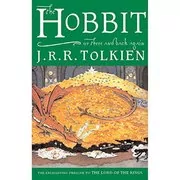
Author bio
J. R. R. Tolkien was born in Bloemfontein, South Africa, in 1892 and grew up in England after his father died, a quiet, bookish boy who loved languages, drawing, and the countryside on the edge of Birmingham.
His mother, Mabel, taught him Latin, French, and the basics of botany and art before her early death, after which a Catholic priest became his guardian. He won scholarships to King Edward’s School and then Exeter College, Oxford, where he studied Classics and English.
Like many men of his generation, Tolkien went from university straight into the First World War. He married Edith Bratt in 1916, served as a signals officer on the Somme, and lost several close friends in the trenches, experiences that later coloured his sense of sacrifice and loss in Middle‑earth.
After the war he worked briefly on the Oxford English Dictionary, then taught at the University of Leeds before returning to Oxford as Professor of Anglo‑Saxon and later of English Language and Literature. In the classroom and in his study he pored over Old and Middle English texts, from Beowulf to Sir Gawain and the Green Knight, the same literature that shaped the texture of his own stories.
By day he was a meticulous philologist; by night he sketched maps, invented Elvish languages, and drafted the first myths of his imagined world.
For years those private tales circulated mainly within his family and among friends such as C. S. Lewis and the other members of the Inklings, an informal literary circle in Oxford. When he wrote The Hobbit to entertain his children, its success surprised him and his publisher, and eventually led to the long, stop‑start labour of The Lord of the Rings, written over more than a decade while he was still a full‑time academic.
Readers are often drawn first to the adventure—the journey from the Shire to Mordor, dragons and dark lords—but just as important to Tolkien were the languages, the deep backstory, and the small choices his characters make. The later publication of The Silmarillion, Unfinished Tales, The Children of Húrin and the twelve‑volume History of Middle‑earth, edited by his son Christopher, revealed how much time he spent revising and expanding that underlying legendarium.
In private he was a husband and father of four, fond of walking, pipe‑smoking, and elaborate Christmas letters from Father Christmas to his children. He retired from Oxford in 1959, moved for a time to the south coast of England, and continued to tinker with his stories and languages until his death in 1973. Today his work sits at the heart of modern fantasy, but at its core it still feels like the lifetime project of a scholar who loved words, old tales, and the idea that even very small people can stand against the dark.


Edited by
Software engineer whose passion for tracking book recommendations from podcasts inspired the creation of MRB.
Lead investor at 3one4 Capital whose startup expertise and love for books helped shape MRB and its growth.
Comments
Did we miss something? Have feedback?
Help us improve this page by sharing your thoughts