
Graham Greene Books in Order
This page lists Graham Greene books in order, with short summaries, background notes, and an easy where-to-start guide for readers coming in fresh.
Last updated: June 7, 2026
As an Amazon Associate, we earn from qualifying purchases (at no extra cost to you).
Graham Greene books in publication order
78 books
Babbling April
by Graham Greene
1925
Greene’s youthful debut is a slim book of poems published while he was still at Oxford. The pieces show an early ear for rhythm and image, and hints of the themes he’d return to, loneliness, faith, and the urge to slip away.
The Man Within
by Graham Greene
1929
A young smuggler, Francis Andrews, betrays his own crew and runs for his life along the English coast. Hiding in a remote cottage, he falls in with a woman living on the edge of respectability, while guilt and revenge close in.
The Name of Action
by Graham Greene
1930
Wealthy, restless Oliver Chant is pulled into revolutionary politics in Trier, Germany, after an exiled leader promises him a part in a dramatic uprising. As plans unravel, Chant has to face the gap between heroic ideas and real-world action.
Rumour at Nightfall
by Graham Greene
1931
Near the end of Spain’s First Carlist War, journalist Francis Chase travels with government troops chasing the last rebel commander. Rumors, loyalties, and fear thicken the air, and Chase’s friendship with another outsider is pushed to a breaking point.
Orient Express / Stamboul Train
by Graham Greene
1932
On the luxury train from Ostend to Istanbul, a Jewish businessman, a sick dancer, a hunted revolutionary, a journalist, and a thief share narrow corridors and private secrets. Border stops and political pressure force their separate lives into collision.
It's a Battlefield
by Graham Greene
1934
A London bus driver faces execution, and Greene follows the shockwaves through everyone connected to the case, family members, officials, activists, and opportunists. The book is less about the crime than about how a society decides what “justice” means.
England Made Me / The Shipwrecked
by Graham Greene
1935
Broke and charming, Anthony Farrant drifts into Stockholm and talks his way into work for a shady financier. His capable twin sister Kate tries to rescue him and secure a place for herself, even as money, loyalty, and conscience start to come apart.
The Bear Fell Free
by Graham Greene
1935
This rare, early experiment follows a young man on a doomed flight, moving through memory, fear, and sudden flashes of humor as the plane goes down. A teddy bear falling from the sky becomes the story’s strange, haunting image.
A Chance For Mr Lever
by Graham Greene
1936
Deep in the West African interior, salesman Mr Lever treks upriver for a simple signature that could save his job. Heat, illness, and isolation wear him down, and a moment of panic pushes him toward a choice he cannot easily undo.
A Gun for Sale / This Gun for Hire
by Graham Greene
1936
Hired killer Raven is paid in counterfeit bills after a high-profile assassination, and he turns from tool to threat. Hunted by police and his employers, he tracks the man who set him up and forms an uneasy bond with a young woman caught in the fallout.
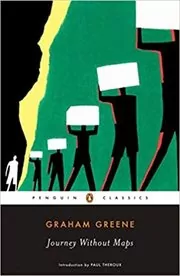
Journey Without Maps
by Graham Greene
1936
Greene’s travel classic recounts his 1935 trek through Liberia, a long walk into country that was barely mapped to outsiders. He writes about porters and guides, illness and boredom, and the uneasy mix of curiosity and dread that drove him forward.
Brighton Rock
by Graham Greene
1938
In 1930s Brighton, teenage gang leader Pinkie Brown tries to cover up a murder and keep control of his small-time empire. A naive waitress, Rose, knows too much, and a stubborn amateur sleuth refuses to let the death be written off as an accident.
Recommended by
1 person Jack Edwards recommended this book
Jack Edwards
"Has one of the best opening lines of all time." - Jack Edwards
Jack Edwards's recommendation of this book
The Confidential Agent
by Graham Greene
1939
A refugee intellectual known only as D arrives in England on a secret mission to buy coal for his side in a civil war. Betrayal follows him from the dock, and with a daring young woman beside him, he’s chased across a country that suddenly feels hostile.
The Lawless Roads / Another Mexico
by Graham Greene
1939
Commissioned to report on Mexico’s anti-clerical crackdown, Greene travels through towns where churches are closed and priests are hunted. Part travel diary, part moral argument, the book records a country’s wounds and the questions of faith they left behind.
The Power and the Glory / The Labyrinthine Ways
by Graham Greene
1940
In 1930s Tabasco, a flawed priest is one of the last clergy left, and the state wants him gone. Drinking, fear, and responsibility pull him in opposite directions as he tries to keep serving people while staying alive.
British Dramatists
by Graham Greene
1942
A brisk, opinionated tour through British theatre, from early religious drama to Shakespeare and later playwrights. Greene writes as a sharp-eyed reader, explaining what each era tried to do on stage and where it fell short.
The Ministry of Fear
by Graham Greene
1943
During the Blitz, guilt-ridden Arthur Rowe wins a cake at a charity fête, and that small prize drops him into espionage. Pursued across London, he can’t tell who is hunting him, who is helping, or which parts of his own past he can trust.
The Little Train
by Graham Greene
1946
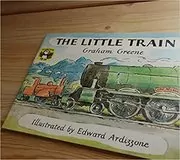
In the village of Little Snoreing, a small train grows tired of the same old route and sets off to see the world. The journey brings castles, big-city noise, and a few scares, before the little engine learns what bravery and home really mean.
Graham Greene's Nineteen Stories
by Graham Greene
1947
Nineteen short stories that range from quiet moral tests to sudden violence and dark jokes. Moving between England and far-flung outposts, Greene builds tension fast, then leaves you with the aftertaste of doubt.
The Heart of the Matter
by Graham Greene
1948
In a humid West African colony during World War II, police officer Henry Scobie tries to protect the people who depend on him, including his unhappy wife. Compassion turns into compromise, and every choice tightens the net of guilt around him.
The Third Man
by Graham Greene
1949
Postwar Vienna is split into zones and thick with black-market deals when writer Holly Martins arrives to meet his old friend Harry Lime. After a suspicious death, Martins starts asking questions, and loyalty quickly becomes dangerous.
A Sense of Reality
by Graham Greene
1950
A late-career story collection where ordinary situations tilt into obsession and the uncanny. These tales follow lonely men, travelers, and uneasy families as small choices open into memory, fear, and moral unease.
The Little Fire Engine
by Graham Greene
1950
Sam Trolley and Toby the pony pull the little fire engine through the streets of Little Snoreing. When a shiny new engine arrives and pushes them aside, the old team gets one last chance to save the day, and prove they still belong.
The End of the Affair
by Graham Greene
1951
After an affair ends without explanation, writer Maurice Bendrix can’t stop circling the married woman he loved. He hires a detective and follows clues into her private life, turning jealousy into a fight with faith, fate, and the stories people tell themselves.
The Lost Childhood and Other Essays
by Graham Greene
1951
A mix of essays, reviews, and personal pieces that show Greene as a reader and critic. He writes about childhood, the craft of novels, and the writers who shaped him, moving easily from memoir to sharp literary judgment.
The Little Horse Bus
by Graham Greene
1952
Kind grocer Mr Potter is nearly ruined when a flashy new emporium opens nearby. An old horse bus and its plucky pony help him make deliveries, and when thieves strike, the little vehicle’s dash and courage win Mr Potter his customers back.
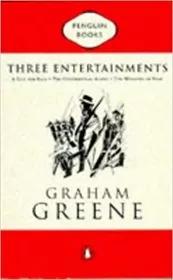
Three Entertainments
by Graham Greene
1952
A three-in-one volume of Greene thrillers: Brighton Rock, The Confidential Agent, and The Ministry of Fear. Together they show his talent for tight suspense, uneasy humor, and characters trapped between what they want and what they can live with.
The Living Room
by Graham Greene
1954
Rose returns to her strictly Catholic family home with a lover she cannot easily hide. In a tense household watched over by two aunts and a disabled priest, desire and doctrine collide, and private choices become a public crisis.
Twenty-One Stories
by Graham Greene
1954
Twenty-one stories that capture Greene’s range, from crime and wartime tension to quieter moral puzzles. The settings hop from London to overseas outposts, and the endings often hinge on a single, fateful decision.
Loser Takes All
by Graham Greene
1955
On a honeymoon in Monte Carlo, a modest clerk suddenly wins big at the casino. The money should solve everything, but the tables become a trap, and his new wife watches love compete with luck, pride, and the fear of losing it all.
The Destructors
by Graham Greene
1955
In postwar London, a gang of boys targets an elderly man’s house for “a job.” What begins as mischief turns into a methodical demolition, and Greene shows how destruction can feel like power when nothing else does.
The Little Steamroller
by Graham Greene
1955
At London Airport, a little steamroller clears snow from the runway while bigger machines laugh at him. When smugglers try to move diamonds under cover of bad weather, the small roller becomes the one thing that can stop them.
The Quiet American
by Graham Greene
1955
In early 1950s Saigon, British journalist Thomas Fowler tries to report the war without taking sides. Then the idealistic American Alden Pyle arrives with his own plan for Vietnam, and both politics and a shared love begin to turn deadly.
Recommended by
2 people Anthony Bourdain recommended this book
Anthony Bourdain
"I re-read it frequently. Particularly when visiting Vietnam." - Anthony Bourdain
Anthony Bourdain's recommendation of this book  Richard Branson recommended this book
Richard Branson
Richard Branson recommended this book on his "70 must-read books" blog post.
Richard Branson's recommendation of this book
The Potting Shed
by Graham Greene
1957
An estranged son returns as his father lies dying, determined to learn what happened in the family’s potting shed when he was fourteen. Memory, faith, and denial tangle as the household tries to keep its long-held secret buried.
Our Man in Havana
by Graham Greene
1958
In Havana, mild-mannered vacuum salesman Jim Wormold is recruited as a spy and needs quick results to keep his paychecks coming. He invents agents and reports, but the fake network starts drawing real attention, and real violence, from both sides.
Recommended by
1 person Christopher Hitchens recommended this book
Christopher Hitchens
"[The author]'s ability to evoke a sense of place and time, [...] are encoded in this book as in no other." - Christopher Hitchens
Christopher Hitchens's recommendation of this book
A Burnt-Out Case
by Graham Greene
1960
A famous architect arrives anonymously at a leper colony deep in the Congo, hoping to escape fame, desire, and himself. Work offers a kind of calm, but misunderstandings and outside pressures turn his retreat into a tense moral trial.
In Search of a Character
by Graham Greene
1961
Two African notebooks show Greene scouting settings before writing his fiction. One follows a wartime journey tied to Sierra Leone, the other a later trip to the Congo. The entries capture research in motion, and characters forming on the page.
The Complaisant Lover
by Graham Greene
1961
Mary Rhodes begins an affair with Clive Root, a bookseller who is also a friend of her husband. Greene treats the triangle as a comedy of manners, where civilized talk and practical arrangements mask jealousy, hurt, and real risk.
Under the Garden
by Graham Greene
1963
William Wilditch returns to his childhood house and becomes obsessed with a memory of going underground with another boy. As he tries to retrace that route, the boundary between real past and invented story starts to blur in unsettling ways.
Carving a Statue
by Graham Greene
1964
In this stage drama, a father’s fierce belief centers on a statue he is carving, and the work becomes a battleground with his skeptical son. The play turns a family argument into questions about grace, pride, and the need to control.
The Comedians
by Graham Greene
1966
In Duvalier’s Haiti, hotel owner Brown hosts travelers who wear masks of charm, faith, or idealism. As the secret police tighten their grip, jokes stop being safe, loyalties shift, and even small choices can read as political defiance.
May We Borrow Your Husband?
by Graham Greene
1967
A late collection of sharp, often funny short stories about marriage, desire, and awkward bargains. Greene’s characters drift through hotels, parties, and chance encounters, where a polite question can carry a sting and compassion is never simple.
Collected Essays
by Graham Greene
1969
A wide-ranging gathering of Greene’s nonfiction, from literary essays and reviews to pieces on travel and politics. It’s a chance to see his plainspoken style off the page, sizing up writers and places with dry precision.
Travels with My Aunt
by Graham Greene
1969
Retired bank manager Henry Pulling expects a quiet life until his outrageous Aunt Augusta pulls him onto the road. Their travels leap from London to far-off ports, mixing con men, old lovers, and improvised reinvention with warm, sly humor.
A Sort of Life
by Graham Greene
1971
Greene’s first volume of autobiography covers his Hertfordshire childhood, school and Oxford years, and the early struggle to become a novelist. He writes frankly about depression, conversion, and the working life of a young journalist.
Triple Pursuit!
by Graham Greene
1971
Three Greene stories in one volume: This Gun for Hire, The Third Man, and Our Man in Havana. The settings and tones shift, but each tale turns on the same mix of tight plotting, sudden danger, and characters making excuses for what they do.
Pleasure Dome
by Graham Greene
1972
A selection of Greene’s film reviews from the 1930s, showing him as a lively, sometimes combative critic. He writes about movies, stars, and the craft of storytelling on screen, with the same eye for mood and moral pressure found in his fiction.
Collected Stories
by Graham Greene
1973
A substantial selection of Greene’s short fiction, from early tales of crime and fear to later, stranger pieces. Across continents and decades, his stories keep returning to the moment a person realizes the line has already been crossed.
The Honorary Consul
by Graham Greene
1973
In a provincial Argentine city, a botched kidnapping meant for a British honorary consul tangles a doctor named Plarr in old loyalties and new violence. Greene builds suspense from divided politics, personal betrayal, and the cost of choosing sides.
The Portable Graham Greene
by Graham Greene
1973
A sampler that brings together key excerpts from Greene’s novels, stories, and nonfiction. It offers an easy way into his range, showing suspense writing alongside religious and political work, and giving new readers a sense of his voice.
Lord Rochester's Monkey
by Graham Greene
1974
Greene’s offbeat biography of John Wilmot, the Earl of Rochester, follows the poet’s short, scandalous life at the Restoration court. With dry humor and sympathy, he sketches a man who chased pleasure, provoked power, and wrote with startling candor.
Shades of Greene
by Graham Greene
1975
A tie-in collection of Greene stories chosen for television adaptation, moving from London streets to foreign outposts. The plots are compact and cinematic, built around betrayals, sudden reversals, and the quiet dread that suits the screen.
The Return of A. J. Raffles
by Graham Greene
1975
Greene revives the gentleman thief A. J. Raffles in an Edwardian comedy that begins with his surprise return from the Boer War. With Bunny at his side, Raffles plots a daring robbery driven by money, revenge, and the social scandals of the day.
Why Do I Write?
by Graham Greene
1975
In this short essay, Greene reflects on what pushes him to write and what he hopes fiction can do. It’s part craft talk, part self-examination, and a useful glimpse of the doubts and discipline behind his storytelling.
Third Man
by Graham Greene
1977
Postwar Vienna is split into zones and thick with black-market deals when writer Holly Martins arrives to meet his old friend Harry Lime. After a suspicious death, Martins starts asking questions, and loyalty quickly becomes dangerous.
The Human Factor
by Graham Greene
1978
Middle-aged intelligence officer Maurice Castle leaks secrets for personal reasons, not ideology, and the decision quietly rearranges his life. Greene strips spy work of glamour, focusing on paperwork, suspicion, and the slow burn of betrayal.
Doctor Fischer of Geneva or The Bomb Party
by Graham Greene
1980
Alfred Jones falls in love with a woman whose father, the wealthy Dr Fischer, throws grotesque parties that buy humiliation with prizes. Set in Geneva, the book is a dark satire about money, cruelty, and how far people will bend for comfort.
Ways of Escape
by Graham Greene
1980
Greene’s second volume of memoir returns to the making of his best-known novels, and to the travel, politics, and private troubles behind them. He writes about research trips, fame, film work, and the ways a writer looks for escape and returns anyway.
Recommended by
1 person- Anthony Bourdain recommended this book
Anthony Bourdain
"A book I’ve read many times but keep coming back to." - Anthony Bourdain
Anthony Bourdain's recommendation of this book
The Great Jowett
by Graham Greene
1981
A compact drama about Benjamin Jowett, the influential Master of Balliol College, Oxford. Greene captures the mix of ambition, eccentricity, and moral authority around him, using sharp dialogue to bring academic politics and personality to life.
Across the Bridge
by Graham Greene
1982
A businessman on the run reaches the Mexican border hoping to disappear, but fear and pride keep steering him into danger. In this classic Greene story, the crossing becomes a trap where criminal worlds and conscience meet.
J'Accuse
by Graham Greene
1982
A short, furious piece of reportage about corruption and organized crime in Nice, written after Greene became entangled in a local scandal. It reads like an investigative brief about how power protects itself, and it famously ended up in court.
Monsignor Quixote
by Graham Greene
1982
A mild Spanish priest, Father Quixote, sets off on the road with Sancho, a Communist ex-mayor, in a battered car. Their journey becomes a running conversation about faith, politics, and friendship, with trouble never far behind.
The Other Man
by Graham Greene
1983
A book-length conversation that lets Greene look back on his life through a series of interviews. He talks about travel, politics, faith, film work, and the habits that kept him writing, with answers that are candid, wry, and sometimes evasive.
Getting to Know the General
by Graham Greene
1984
Greene recounts his unusual friendship with Omar Torrijos, Panama’s strongman leader, and the years he spent visiting the country. Part travel book, part political diary, it shows him listening, arguing, and trying to understand power up close.
Victorian Villainies
by Graham Greene
1984
An anthology of Victorian shockers and crime tales selected by Graham Greene and Hugh Greene. Packed with fog, melodrama, and ingenious swindles, the collection is a tour of the stories that fed later popular thrillers and mystery writing.
The Collected Plays
by Graham Greene
1985
A single volume bringing together Greene’s major stage work, from The Living Room and The Potting Shed to The Complaisant Lover and later plays. It’s the best way to see how his themes of faith, secrecy, and desire work in dialogue.
The Tenth Man
by Graham Greene
1985
In occupied France, prisoners are told one in ten will die in reprisal. A lawyer tries to bargain his way out, and the deal leaves everyone living with impossible moral arithmetic. A tight, unsettling wartime tale about fear and self-preservation.
The Captain and the Enemy
by Graham Greene
1988
A lonely schoolboy is taken in by a charming con man known as the Captain and his partner Liza, and grows up in a life built on stories and small scams. Years later, he tries to piece together what really happened to him, and why.
Complete Short Stories
by Graham Greene
1990
A comprehensive collection of Greene’s short fiction, spanning early thrillers, wartime tales, and later, stranger pieces. It’s a great way to see how quickly he sets a scene, and how often a story turns on one decisive moral slip.
Reflections
by Graham Greene
1990
A curated selection of Greene’s nonfiction from across his career, including travel writing, journalism, and pieces on books and politics. The tone shifts from amused observation to sharp critique, but the through-line is his eye for moral complication.
The Last Word
by Graham Greene
1990
A brief, chilling story set in a future where religion has been pushed to the margins and the last Pope lives under watch. When officials arrive, the encounter becomes a quiet argument about faith, power, and what survives pressure.
Fragments of Autobiography
by Graham Greene
1991
This single-volume memoir draws together key sections of Greene’s autobiographical writing. He covers childhood and Oxford, the leap into journalism and novels, and the travels and friendships behind the books, with an eye on how writing got done.
Yours Etc.
by Graham Greene
1991
A lively selection of Greene’s letters to newspapers and editors, spanning decades of public debates. He argues about politics, literature, film, and the odd injustice that caught his eye, showing dry wit and stubborn clarity.
A World of My Own
by Graham Greene
1992
Greene kept a dream diary for years, and this book collects those entries with minimal explanation. Familiar people reappear in strange roles, cities shift shape, and anxiety turns funny. It’s a rare look at the private images that fed his imagination.
No Man's Land
by Graham Greene
2004
In the Harz Mountains near the Iron Curtain, a quiet British man named Brown takes a holiday that doesn’t quite add up. When he slips into the Soviet zone on a strange pretext, he is arrested, and the story tightens into espionage and suspicion.
Articles of Faith
by Graham Greene
2006
A collection of Greene’s journalism on Catholic life and public affairs, written over many years. The pieces move between belief, politics, and everyday ethics, showing how he could argue, question, and observe without turning certainty into sermons.
The Third Man
by Graham Greene
2011
Postwar Vienna is split into zones and thick with black-market deals when writer Holly Martins arrives to meet his old friend Harry Lime. After a suspicious death, Martins starts asking questions, and loyalty quickly becomes dangerous.
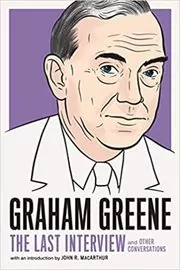
Graham Greene
by Graham Greene
2019
A compact book of interviews and conversations that let Greene explain his work in his own words. He talks about writing habits, travel, faith, politics, and the line between serious novels and entertainments, with plenty of dry humor.
Where to start with Graham Greene
If you want crime and noir tension: Brighton Rock → A Gun for Sale / This Gun for Hire → The Ministry of Fear
If you want faith under pressure: The Power and the Glory / The Labyrinthine Ways → The Heart of the Matter → The End of the Affair
If you want politics on the ground: The Quiet American → The Comedians → The Honorary Consul
If you want espionage, with irony: The Third Man → Our Man in Havana → The Human Factor
If you want Greene in his own voice: A Sort of Life → Ways of Escape → In Search of a Character
Graham Greene collections, short stories, and related book types
Short Stories/Novellas

The Bear Fell Free
by Graham Greene
1935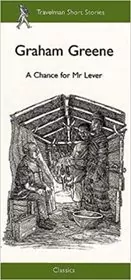
A Chance For Mr Lever
by Graham Greene
1936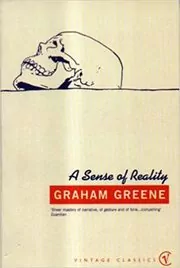
A Sense of Reality
by Graham Greene
1950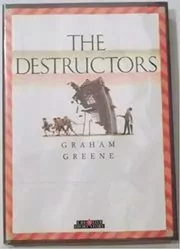
The Destructors
by Graham Greene
1955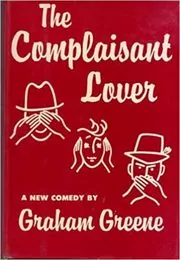
The Complaisant Lover
by Graham Greene
1961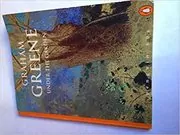
Under the Garden
by Graham Greene
1963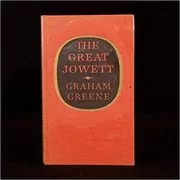
The Great Jowett
by Graham Greene
1981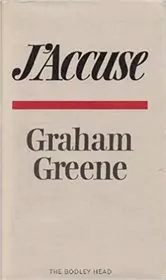
J'Accuse
by Graham Greene
1982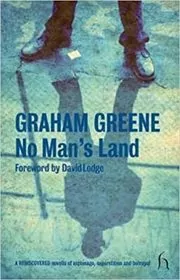
No Man's Land
by Graham Greene
2004
Short Story Collections

Babbling April
by Graham Greene
1925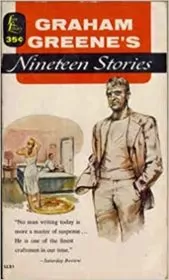
Graham Greene's Nineteen Stories
by Graham Greene
1947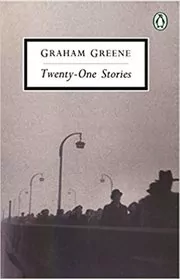
Twenty-One Stories
by Graham Greene
1954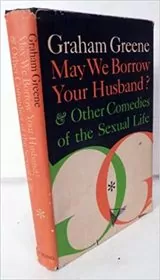
May We Borrow Your Husband?
by Graham Greene
1967& Other Comedies of the Sexual Life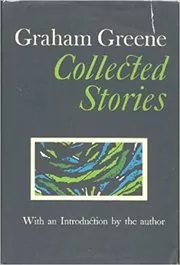
Collected Stories
by Graham Greene
1973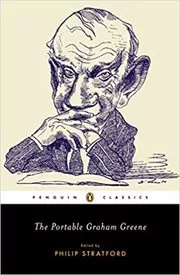
The Portable Graham Greene
by Graham Greene
1973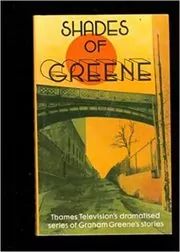
Shades of Greene
by Graham Greene
1975
Across the Bridge
by Graham Greene
1982And Other Stories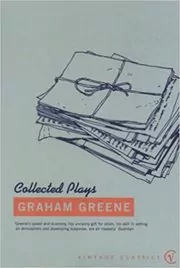
The Collected Plays
by Graham Greene
1985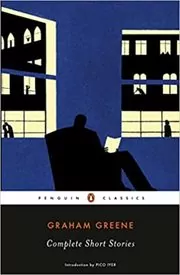
Complete Short Stories
by Graham Greene
1990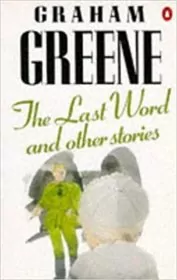
The Last Word
by Graham Greene
1990And Other Stories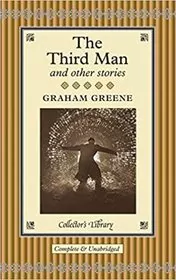
The Third Man
by Graham Greene
2011And Other Stories
Plays
Three Entertainments
by Graham Greene
1952
The Living Room
by Graham Greene
1954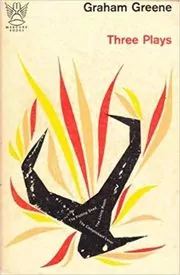
The Potting Shed
by Graham Greene
1957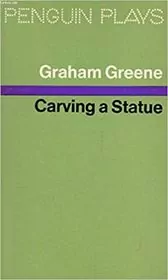
Carving a Statue
by Graham Greene
1964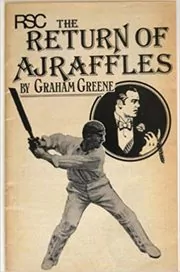
The Return of A. J. Raffles
by Graham Greene
1975
Picture Books
The Little Train
by Graham Greene
1946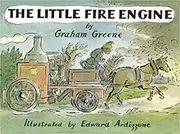
The Little Fire Engine
by Graham Greene
1950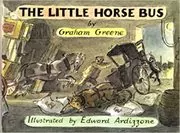
The Little Horse Bus
by Graham Greene
1952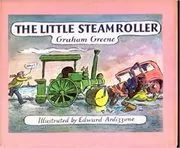
The Little Steamroller
by Graham Greene
1955
Non-Fiction
Journey Without Maps
by Graham Greene
1936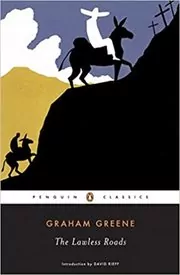
The Lawless Roads / Another Mexico
by Graham Greene
1939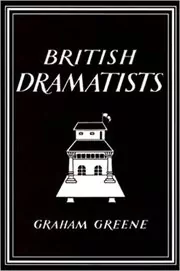
British Dramatists
by Graham Greene
1942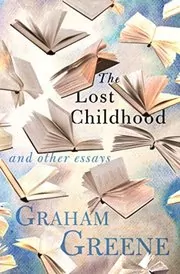
The Lost Childhood and Other Essays
by Graham Greene
1951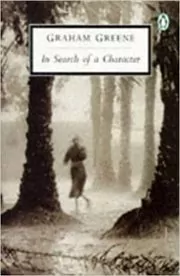
In Search of a Character
by Graham Greene
1961Two African Journals
Collected Essays
by Graham Greene
1969
A Sort of Life
by Graham Greene
1971
Pleasure Dome
by Graham Greene
1972The Collected Film Criticism, 1935-40
Lord Rochester's Monkey
by Graham Greene
1974Being the Life of John Wilmot, Second Earl of Rochester
Why Do I Write?
by Graham Greene
1975
Ways of Escape
by Graham Greene
1980
The Other Man
by Graham Greene
1983
Reflections
by Graham Greene
1990
Fragments of Autobiography
by Graham Greene
1991
Yours Etc.
by Graham Greene
1991Letters to the Press, 1945-89
A World of My Own
by Graham Greene
1992A Dream Diary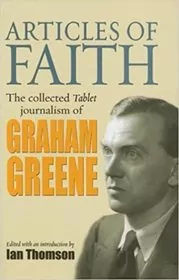
Articles of Faith
by Graham Greene
2006The Collected Tablet Journalism of Graham Greene
Vintage Voyages
Travels with My Aunt
by Graham Greene
1969
The Last Interview
Graham Greene
by Graham Greene
2019
Standalone Graham Greene books
The Man Within
by Graham Greene
1929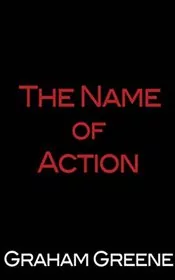
The Name of Action
by Graham Greene
1930
Rumour at Nightfall
by Graham Greene
1931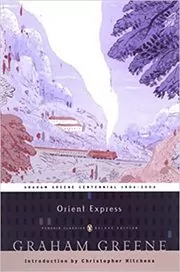
Orient Express / Stamboul Train
by Graham Greene
1932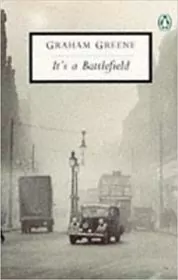
It's a Battlefield
by Graham Greene
1934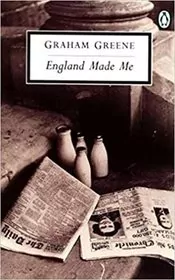
England Made Me / The Shipwrecked
by Graham Greene
1935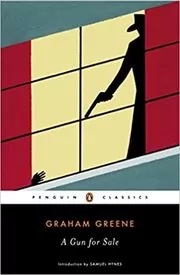
A Gun for Sale / This Gun for Hire
by Graham Greene
1936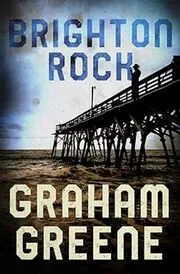
Brighton Rock
by Graham Greene
1938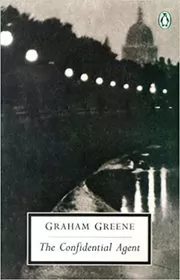
The Confidential Agent
by Graham Greene
1939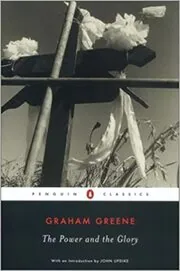
The Power and the Glory / The Labyrinthine Ways
by Graham Greene
1940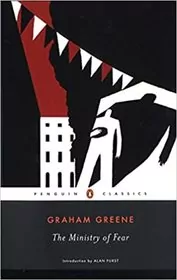
The Ministry of Fear
by Graham Greene
1943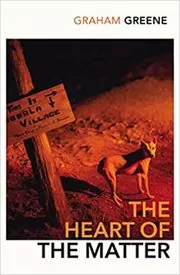
The Heart of the Matter
by Graham Greene
1948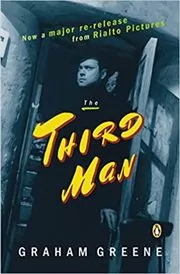
The Third Man
by Graham Greene
1949
The End of the Affair
by Graham Greene
1951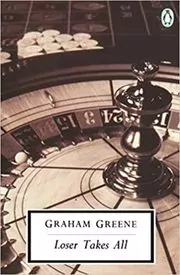
Loser Takes All
by Graham Greene
1955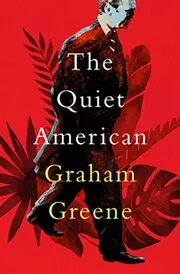
The Quiet American
by Graham Greene
1955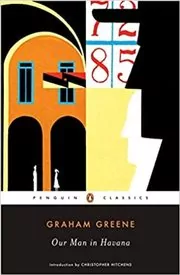
Our Man in Havana
by Graham Greene
1958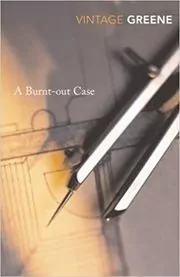
A Burnt-Out Case
by Graham Greene
1960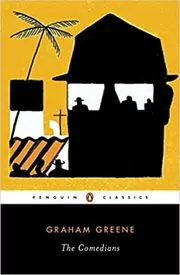
The Comedians
by Graham Greene
1966
Triple Pursuit!
by Graham Greene
1971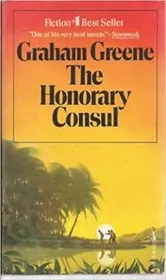
The Honorary Consul
by Graham Greene
1973
Third Man
by Graham Greene
1977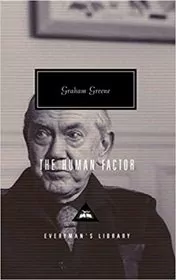
The Human Factor
by Graham Greene
1978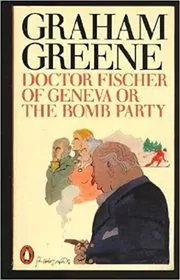
Doctor Fischer of Geneva or The Bomb Party
by Graham Greene
1980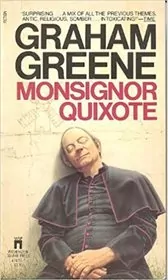
Monsignor Quixote
by Graham Greene
1982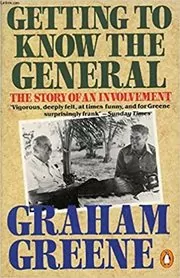
Getting to Know the General
by Graham Greene
1984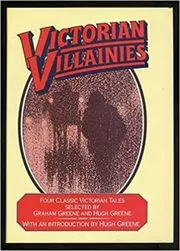
Victorian Villainies
by Graham Greene
1984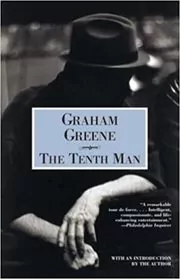
The Tenth Man
by Graham Greene
1985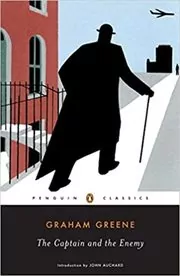
The Captain and the Enemy
by Graham Greene
1988
Author bio
Graham Greene was born on October 2, 1904, in Berkhamsted, Hertfordshire, and grew up inside the world of Berkhamsted School, where his father was headmaster. Being both a pupil and the headmaster’s son left him feeling watched and, at times, isolated. That outsider angle never really left his work.
Even as a teenager, he wrestled with depression and the idea of escape.
He studied history at Balliol College, Oxford, and published a slim book of poems, Babbling April, while still a student. Around the same time he began exchanging letters with Vivien Dayrell-Browning, whose faith challenged his agnosticism. He was baptized into the Catholic Church in 1926, and the two married the following year.
After Oxford he tried tutoring, then turned to journalism, first at the Nottingham Journal and later as a sub-editor at The Times. His first novel, The Man Within (1929), did well enough to let him focus on fiction, even though he later looked back skeptically on some early work. A breakthrough came with Stamboul Train (also published as Orient Express), where his mix of suspense, social observation, and moral discomfort clicked.
Greene didn’t stay in one setting for long. In 1935 he walked deep into Liberia, an experience he turned into Journey Without Maps. A few years later he travelled through Mexico to see the effects of anti-clerical persecution, material that fed both the travel book The Lawless Roads and the novel The Power and the Glory. During World War II he worked for British intelligence in West Africa, and that on-the-ground view of secrecy and compromise later shaped The Heart of the Matter.
He wrote quickly and with a sharp eye for scenes, which made him a natural fit for film work, whether as a reviewer, a screenwriter, or the author behind stories that directors wanted. The Third Man began as a story written to support a screenplay, and it became one of the best-known postwar noirs. Even his comic work, like Our Man in Havana, keeps one foot in fear, the jokes land because the danger feels real.
His best books tend to ask the same hard question: what do you do when every option stains your hands?
That question plays out across his mid-century settings, from the tense streets of Saigon in The Quiet American to the uneasy hospitality of Haiti in The Comedians. Greene returned again and again to characters who are half-believers, journalists, police officers, priests, minor officials, and accidental spies, people who want to be decent but keep getting drawn into betrayal. Faith matters in his novels, but so does doubt, and he was never interested in easy conversions.
In later years he lived much of the time in France and Switzerland, eventually settling near Lake Geneva in Vevey, not far from Charlie Chaplin. He also wrote directly about his own life and working habits in memoirs like A Sort of Life and Ways of Escape, which show how travel notes, friendships, and political curiosity fed the fiction. He died in Vevey on April 3, 1991, leaving a body of work that still feels modern because it refuses to separate private emotion from public events.






Edited by
Software engineer whose passion for tracking book recommendations from podcasts inspired the creation of MRB.
Lead investor at 3one4 Capital whose startup expertise and love for books helped shaped MRB and its growth.
Comments
Did we miss something? Have feedback?
Help us improve this page by sharing your thoughts