
Gerald Durrell Books in Order
See all Gerald Durrell books in order, with series lists, brief summaries, background on his wildlife writing, and clear suggestions on where to start reading.
Last updated:
As an Amazon Associate, we earn from qualifying purchases (at no extra cost to you).
Gerald Durrell books in publication order
44 books
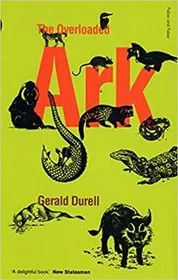
The Overloaded Ark
by Gerald Durrell
1953
Durrell recounts his first animal-collecting expedition to the rainforests of the Cameroons, chasing rare creatures for future zoos. Funny mishaps, vivid portraits of local people, and close-up encounters with wildlife shape this lively early memoir.
The Bafut Beagles
by Gerald Durrell
1954
Returning to the Cameroons, Durrell teams up with the Fon of Bafut and a tireless pack of beagles to collect animals. The book blends hunting trips, cultural snapshots, and affectionate sketches of the creatures they are trying to catch.
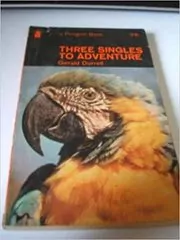
Three Singles to Adventure
by Gerald Durrell
1954
This travel memoir follows Durrell and two companions to the rivers and forests of British Guiana in search of animals for zoos. Swamps, riverboats, and eccentric helpers feature in a string of comic and sometimes hair-raising episodes.
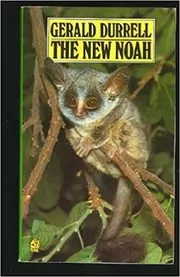
The New Noah
by Gerald Durrell
1955
Written for younger readers, this book retells Durrell's early collecting expeditions and the animals he brought back for zoos. Short chapters introduce exotic species, practical fieldwork, and his growing belief that zoos could help conservation.
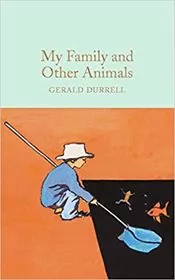
My Family and Other Animals
by Gerald Durrell
1956
Young Gerald and his eccentric family swap damp England for sunlit Corfu, where he spends his days chasing insects, reptiles, and neighbors' pets. This joyful memoir mixes natural history with chaotic family comedy.
Recommended by
2 people Paul Graham recommended this book
Paul Graham
"A wonderful book, though only implicitly about 'parenting.'" - Paul Graham
Paul Graham's recommendation of this book  Matt Ridley recommended this book
Matt Ridley
Matt Ridley recommended this book in a "What Should I Read Next" interview.
Matt Ridley's recommendation of this book
The Drunken Forest
by Gerald Durrell
1956
Durrell and his wife travel through Argentina and Paraguay collecting animals while coping with unreliable transport, language gaps, and local customs. The result is a funny, affectionate portrait of South American landscapes and their wildlife.
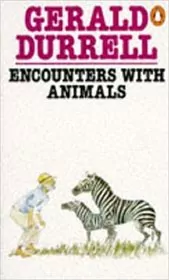
Encounters with Animals
by Gerald Durrell
1958
A collection of short episodes from Durrell’s expeditions, each focused on a particular animal or group. Friendly, informal chapters introduce creatures from jaguars to parrots, along with the often comic efforts to capture or care for them.
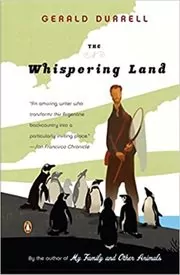
The Whispering Land
by Gerald Durrell
1961
Set in remote parts of Argentina, this memoir follows Durrell as he searches for penguins, parrots, and other animals to stock his future zoo. Harsh weather, long journeys, and spirited locals keep the trip anything but quiet.
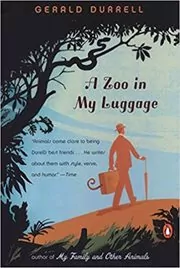
A Zoo in My Luggage
by Gerald Durrell
1962
Durrell describes an expedition to West Africa that ends with a motley menagerie arriving back in England and, ultimately, Jersey. The book captures both the hunt for animals and the chaos of trying to house them.
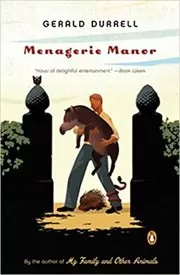
Menagerie Manor
by Gerald Durrell
1964
Here Durrell turns from collecting trips to daily life running his zoo on Jersey. Escapes, awkward visitors, and stubborn animals make for comic anecdotes, while behind the scenes he wrestles with money, staff, and breeding endangered species.
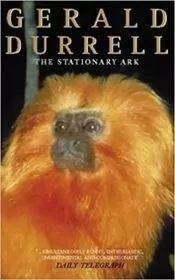
The Stationary Ark
by Gerald Durrell
1966
This book lays out Durrell’s vision for modern zoos, focusing on conservation, animal welfare, and careful breeding of rare species. Part manifesto and part practical guide, it explains why the "stationary ark" matters for threatened wildlife.
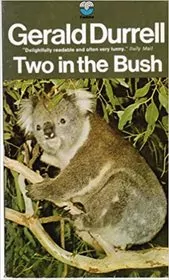
Two in the Bush
by Gerald Durrell
1966
Based on travels for a television series, Durrell roams across several continents visiting reserves, zoos, and wild habitats. Lighthearted field stories sit alongside reflections on conservation and the pressures facing animals around the world.
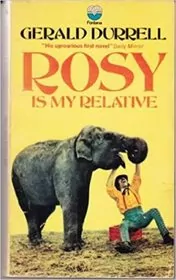
Rosy Is My Relative
by Gerald Durrell
1968
A mild-mannered clerk unexpectedly inherits a circus elephant named Rosy and must figure out what to do with her. Their journey through the English countryside leads to chaos in pubs, hotels, and courtrooms alike.
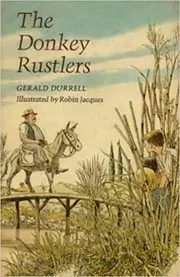
The Donkey Rustlers
by Gerald Durrell
1968
In this comic novel for younger readers, a group of island children plot to save their beloved donkeys from being sold off to tourists. Their schemes grow ever more elaborate, mixing slapstick adventure with affectionate portraits of village life.
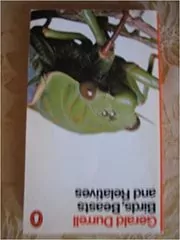
Birds, Beasts and Relatives
by Gerald Durrell
1969
This sequel to My Family and Other Animals returns to Gerald’s boyhood on Corfu, adding new animals, tutors, and neighbors to the mix. The episodes deepen both the family comedy and the island’s natural history.
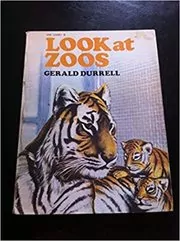
Look at Zoos
by Gerald Durrell
1969
An accessible introduction to zoos aimed mainly at younger readers, this book explains how animals are housed, fed, and cared for. Durrell uses simple examples to show why good zoos matter and how they can help protect species.

Zoos
by Gerald Durrell
1969
A concise, educational look at zoos, this book explains why they exist, how enclosures are designed, and what keepers do each day. Durrell stresses both the pleasures of visiting and the responsibility zoos have toward conservation.
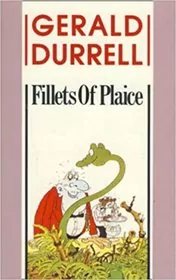
Fillets of Plaice
by Gerald Durrell
1971
A collection of autobiographical pieces, this volume gathers stories from different stages of Durrell’s life—Corfu childhood, zoo work, and later travels. It works like a tasting menu of his humor, wildlife encounters, and family anecdotes.
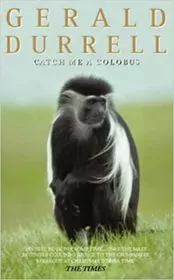
Catch Me a Colobus
by Gerald Durrell
1972
Durrell describes journeys to Africa and other regions in search of rare animals, including the elusive colobus monkey. The adventures are funny and chaotic, but threaded with a growing concern about extinction and the ethics of collecting.
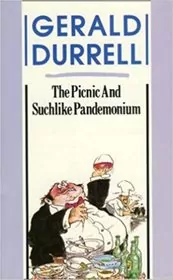
The Picnic and Suchlike Pandemonium
by Gerald Durrell
1973
This book collects several comic stories, from ill-fated picnics to family mishaps and animal escapades. Each piece stands alone, offering quick doses of Durrell’s eye for absurd detail and affection for both people and creatures.
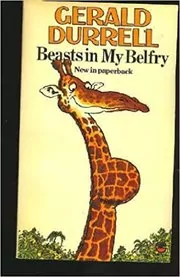
Beasts in My Belfry
by Gerald Durrell
1974
Durrell looks back on his first job as a student keeper at Whipsnade Zoo, learning the hard way how to care for bears, reptiles, and hoofed stock. Misunderstandings, escapes, and patient mentors shape these early-career stories.
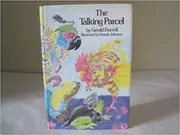
The Talking Parcel
by Gerald Durrell
1975
A mysterious talking parcel leads three children into the hidden land of Mythologia, where dragons, griffins, and other creatures are under threat. To save them, the children must outwit sinister enemies in a fast-moving, animal-filled fantasy adventure.
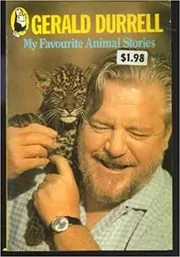
My Favourite Animal Stories
by Gerald Durrell
1976
An anthology of animal tales chosen or written by Durrell, bringing together favorite stories about dogs, birds, and more. The pieces are varied in tone but united by curiosity about how animals live and behave.
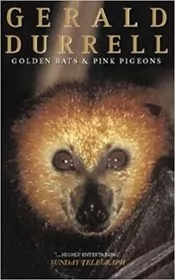
Golden Bats & Pink Pigeons
by Gerald Durrell
1977
Durrell recounts a conservation expedition to islands like Mauritius and Rodrigues, home to rare creatures such as fruit bats and pink pigeons. Field setbacks, difficult terrain, and determined local allies shape the fight to keep these species alive.
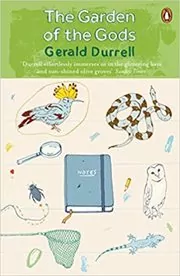
The Garden of the Gods
by Gerald Durrell
1978
The third volume of Durrell’s Corfu trilogy offers more episodes from his sunlit childhood—new tutors, more animals, and fresh disasters for his long-suffering family. It rounds out the portrait of the island just before war disrupts their idyll.
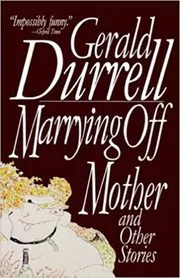
Marrying Off Mother
by Gerald Durrell
1980
This collection of short stories, including the title tale about finding a new husband for Durrell’s mother, ranges from romantic misfires to travel mishaps. The tone is playful, with plenty of oddball characters and gentle satire.
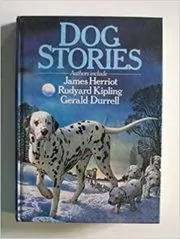
Dog Stories
by Gerald Durrell
1981
A themed collection of tales about dogs, drawn from Durrell’s own work and other writers. The stories highlight loyal working dogs, pampered pets, and wayward strays, offering a varied, affectionate look at humans’ oldest animal companion.
The Mockery Bird
by Gerald Durrell
1981
Set on the fictional island of Zenkali, this comic novel follows officials, locals, and scientists as a planned development threatens a rare bird and its ecosystem. Bureaucracy, superstition, and conservation politics collide in inventive ways.
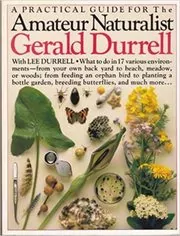
Amateur Naturalist
by Gerald Durrell
1982
A hands-on guide to exploring nature close to home, this book shows how to watch birds, insects, and plants with simple tools. Step-by-step suggestions encourage readers to become "amateur naturalists" wherever they live.
Ark on the Move
by Gerald Durrell
1983
Written for younger readers, Ark on the Move follows Durrell and his team as they travel to collect animals and move them safely to new homes. The focus stays on practical care, gentle humor, and the personalities of the creatures involved.
How To Shoot An Amateur Naturalist
by Gerald Durrell
1984
Here Durrell turns the camera around, explaining how the television series The Amateur Naturalist was filmed. He shares mishaps with weather, equipment, and uncooperative animals, giving a light, insider’s view of making wildlife programs.
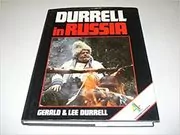
Gerald and Lee Durrell in Russia
by Gerald Durrell
1986
This travelogue follows Gerald and Lee Durrell on a visit to the Soviet Union, where they lecture, meet scientists, and explore local zoos and wild places. Cultural surprises and shared enthusiasm for animals run throughout the journey.
The Fantastic Flying Journey
by Gerald Durrell
1987
Three children join their eccentric Great-Uncle Lancelot on a balloon trip around the world, meeting animals in their natural habitats. The story mixes fantasy travel with simple natural history facts, making it both playful and informative.
The Fantastic Dinosaur Adventure
by Gerald Durrell
1989
In this sequel, the same family travels back in time to the age of dinosaurs, encountering terrifying and strange prehistoric creatures. The adventure balances excitement with explanations of how these animals might have lived.
Best Dog Stories
by Gerald Durrell
1990
An anthology collecting what Durrell considered some of the best dog tales, from moving true accounts to lively fiction. The stories vary in style but all focus on the complicated, enduring bond between dogs and people.
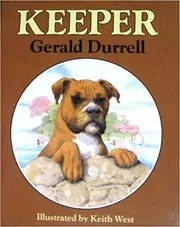
Keeper
by Gerald Durrell
1990
This portrait of a working zoo keeper unfolds through stories about the animals in his care and the people around him. It highlights the patience, hard work, and quiet humor behind what can look like a dream job.
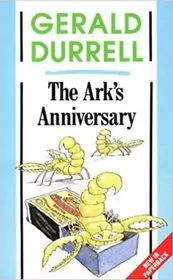
The Ark's Anniversary
by Gerald Durrell
1990
Marking a milestone for his zoo, Durrell gathers essays and sketches about animals, staff, and conservation projects. The pieces mix celebration with candid notes on the challenges of running a modern "ark" for endangered species.
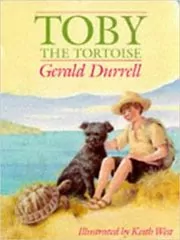
Toby the Tortoise
by Gerald Durrell
1991
A gentle picture-book story about Toby, a pet tortoise whose slow wanderings lead to small adventures in and around the garden. Simple text and warm humor make it a comforting read-aloud for younger children.
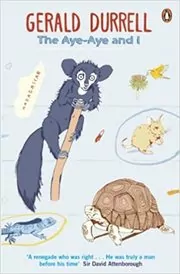
The Aye-Aye and I
by Gerald Durrell
1992
Durrell recounts an expedition to Madagascar to find and help save the strange nocturnal aye-aye and other endangered lemurs. Travel difficulties, remote forests, and determined local partners fill this late-career conservation memoir.
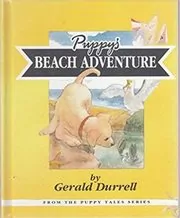
Puppy's Beach Adventure
by Gerald Durrell
1993
Puppy and friends spend a day at the seaside, discovering waves, rock pools, and new animals along the shore. Sun, sand, and small mishaps make this a cheerful holiday story for dog-loving children.
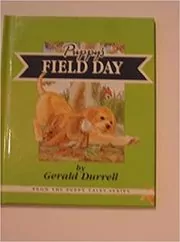
Puppy's Field Day
by Gerald Durrell
1993
Puppy joins in a busy field day full of races, games, and outdoor fun with children and other animals. The focus stays on energy, teamwork, and the joy of running around outside.
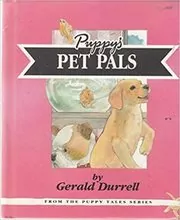
Puppy's Pet Pals
by Gerald Durrell
1993
Here Puppy meets a variety of other pets, learning how to play gently and make friends with creatures who look and act very differently. The simple storyline emphasizes kindness and curiosity.
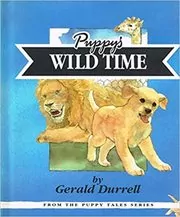
Puppy's Wild Time
by Gerald Durrell
1993
In this first Puppy Tales story, an eager young dog slips away for an afternoon of unsupervised exploring, meeting farm animals and finding mild trouble before being safely gathered back in.
Fauna & Family
by Gerald Durrell
Recommended by
1 person- Paul Graham recommended this book
Paul Graham
"So good I'm reading slow to make it last." - Paul Graham
Paul Graham's recommendation of this book
Where to start with Gerald Durrell
If you want his most-loved memoirs: My Family and Other Animals → Birds, Beasts and Relatives → The Garden of the Gods
If you enjoy wildlife expeditions: The Overloaded Ark → Three Singles to Adventure → The Bafut Beagles → A Zoo in My Luggage
If you're curious about zoos and conservation: Beasts in My Belfry → Menagerie Manor → The Stationary Ark → The Aye-Aye and I
For young readers and families: The Talking Parcel → The Fantastic Flying Journey → The Fantastic Dinosaur Adventure → Puppy's Wild Time
Gerald Durrell sub-series and character series
Gerald Durrell collections, short stories, and related book types
Non-Fiction
Collections
Standalone Gerald Durrell books
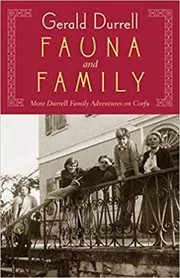
by Gerald Durrell
Publication date unknownMore Adventures of the Durrell Family of Corfu
Author bio
Gerald Durrell was a British naturalist, zookeeper, conservationist, and writer whose funny, observant books helped generations of readers fall in love with wildlife. Born in India in 1925 and raised partly in England, he spent crucial childhood years on the Greek island of Corfu, where his obsession with animals really took hold.
On Corfu he roamed beaches, olive groves, and hillsides with jars and nets, stuffing the family villa with everything from scorpions to seagulls. Local mentors and eccentric tutors encouraged his curiosity, while his long-suffering mother and outspoken siblings provided the raw material for the family portraits that later charmed so many readers in My Family and Other Animals and its sequels.
Back in Britain as a young man, Durrell took a job at Whipsnade Zoo, working from the bottom rung as a student keeper. The work was cold, wet, and often exhausting, but it gave him hands-on experience with large mammals, reptiles, and birds, and a first look at how traditional zoos were run. Those early years in muddy enclosures would later become the basis for his memoir Beasts in My Belfry.
After the war he began organizing animal-collecting expeditions to supply zoos. Trips to the rainforests of the Cameroons, to the rivers of British Guiana, and to South America turned into books such as The Overloaded Ark, Three Singles to Adventure, and The Drunken Forest. These lively travel memoirs mixed practical fieldwork with cultural snapshots, self-deprecating humor, and close-up encounters with the animals he hoped to bring back alive.
Durrell’s writing career gathered speed as he shifted from simple adventure stories to more reflective work. In the Corfu trilogy—My Family and Other Animals, Birds, Beasts and Relatives, and The Garden of the Gods—he revisited his boyhood in rich detail, weaving natural history into scenes of domestic chaos. Readers came for the comedy but often stayed for his precise, affectionate observations of everything from beetles to birds.
At the same time, his thinking about zoos was changing. In the late 1950s he founded a small zoo on the island of Jersey, which grew into a center devoted to breeding threatened species rather than simply exhibiting common ones. From there came books like A Zoo in My Luggage, Menagerie Manor, Golden Bats & Pink Pigeons, and The Aye-Aye and I, which chart his move from collecting for display to working for conservation.
Durrell also enjoyed talking directly to children and families. He wrote fantastical adventures such as The Talking Parcel, The Fantastic Flying Journey, and The Fantastic Dinosaur Adventure, where young characters race around the world—or through time—meeting animals and learning about them in the process. His Puppy Tales picture books brought the same warmth and curiosity down to the very youngest readers.
Television work became another strand of his life, allowing him to bring wild places and species into living rooms. Series built around his travels let viewers see the mud, mishaps, and quiet moments that never quite fit on the page, while also spreading his message that zoos and conservation projects needed public support.
In later years he divided his time between writing, hands-on work at the zoo, and speaking about conservation. He continued to travel for field projects and to champion less glamorous species that rarely made headlines but were slipping toward extinction. He died in 1995, leaving behind not only a body of books but an active conservation trust and a zoo still working to save endangered animals.
For many readers, Durrell’s legacy lives in the way he made the natural world feel close at hand—full of character, comedy, and responsibility rather than something distant or abstract.


Edited by
Software engineer whose passion for tracking book recommendations from podcasts inspired the creation of MRB.
Lead investor at 3one4 Capital whose startup expertise and love for books helped shape MRB and its growth.
Comments
Did we miss something? Have feedback?
Help us improve this page by sharing your thoughts