
Albert Camus Books in Order
This page lists Albert Camus books in order with brief summaries, background on his fiction and essays, and simple guidance on the best place to start reading.
Last updated:
As an Amazon Associate, we earn from qualifying purchases (at no extra cost to you).
Albert Camus books in publication order
36 books
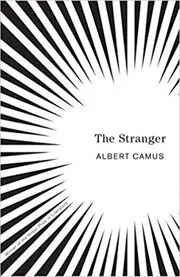
The Stranger
by Albert Camus
1942
Meursault, a detached clerk in Algiers, drifts through life until an impulsive killing on a sun-blinded beach makes him the focus of a murder trial. His refusal to fake emotion exposes the clash between individual honesty and the demands of society.
Recommended by
6 people George Bush recommended this book
George Bush
"What I liked the most was the author's stress on the importance of morals and Christian beliefs." - George Bush
George Bush's recommendation of this book  Kyle Maynard recommended this book
Kyle Maynard
One of Kyle Maynard's 3 answers to "what is the book (or books) you’ve given most as a gift?"
Kyle Maynard's recommendation of this book  Nolan Bushnell recommended this book
Nolan Bushnell
"[One of my ten favorite books] I might think of if I were asked the question at an interview this minute." - Nolan Bushnell
Nolan Bushnell's recommendation of this book  Lex Fridman recommended this book
Lex Fridman
Lex Fridman mentioned this book on Instagram.
Lex Fridman's recommendation of this book  Brian Koppelman recommended this book
Brian Koppelman
"Everyone should read [this book]." - Brian Koppelman
Brian Koppelman's recommendation of this book  Ryan Shea recommended this book
Ryan Shea
Ryan Shea recommended this book on his website.
Ryan Shea's recommendation of this book
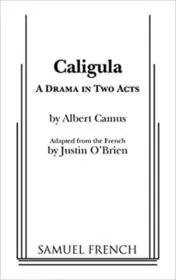
Caligula
by Albert Camus
1944
After the death of his beloved sister, the Roman emperor Caligula discovers that people die and are not happy, and decides to push his power to its logical extreme. The play becomes a dark exploration of freedom without brakes, cruelty and self destruction.
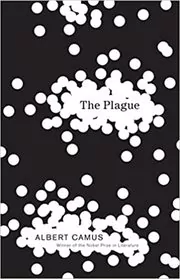
The Plague
by Albert Camus
1947
In the Algerian port of Oran, a sudden eruption of dying rats grows into a devastating epidemic that seals the city off from the world. Doctor Rieux and a handful of volunteers fight the disease, discovering what solidarity and courage mean under siege.
Recommended by
1 person Christopher Hitchens recommended this book
Christopher Hitchens
"[The author's] imperishable novel." - Christopher Hitchens
Christopher Hitchens's recommendation of this book
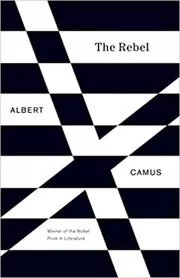
The Rebel
by Albert Camus
1953
Here Camus traces how the impulse to say no turns into revolutions that justify terror and tyranny. Moving from metaphysical revolt to modern politics, he defends limits, dignity and measured resistance against both nihilism and absolute power.
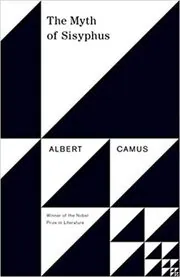
The Myth of Sisyphus
by Albert Camus
1955
This landmark essay lays out Camus's philosophy of the absurd, asking whether life is worth living in a world without ultimate meaning. Using the figure of Sisyphus, it argues for lucid revolt and everyday joy instead of resignation or suicide.
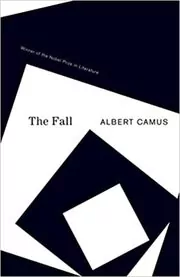
The Fall
by Albert Camus
1957
In a smoky Amsterdam bar, former Parisian lawyer Jean Baptiste Clamence delivers a hypnotic confession to a silent listener. As he exposes his own vanity and failures, the monologue becomes an unsettling meditation on guilt, judgment and complicity.
Recommended by
1 person Sam Altman recommended this book
Sam Altman
This book was on Sam Altman's bookshelf.
Sam Altman's recommendation of this book

Algerian Chronicles
by Albert Camus
1958
Algerian Chronicles collects articles and speeches on Algeria from the late 1930s through the 1950s. Camus describes hunger in Kabylia, denounces colonial injustice and pleads for a civilian truce, revealing both his solidarity with the oppressed and his fear of civil war.
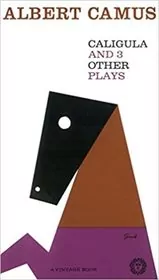
Caligula
by Albert Camus
1958
Camus's Caligula reimagines the infamous emperor as a lucid tyrant who tests how far absolute freedom can go once he accepts the world's absurdity. His calculated violence forces courtiers, and readers, to confront what it means to live without moral limits.
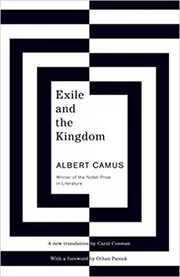
Exile and the Kingdom
by Albert Camus
1958
These six stories follow priests, engineers, exiles and wanderers caught between Europe and North Africa. Each tale circles solitude, faith and belonging, showing how ordinary people struggle with the feeling of being strangers even in their own homelands.
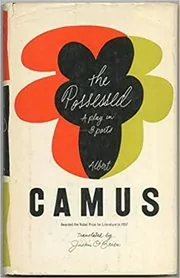
The Possessed
by Albert Camus
1959
In this large scale stage adaptation of Dostoevsky's novel, Camus brings to life a circle of Russian revolutionaries sliding toward chaos and murder. The play turns their conspiracies into a fierce argument against nihilism and political fanaticism.

The Just
by Albert Camus
1960
Set in pre revolutionary Russia, this play follows a group of socialist terrorists preparing to assassinate a grand duke. As they weigh scruples against strategy, Camus asks whether it is ever possible to kill for justice without betraying it.
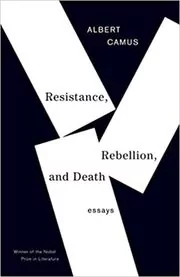
Resistance, Rebellion and Death
by Albert Camus
1961
This collection gathers Camus's wartime journalism and later essays on totalitarianism, Algeria and the death penalty. From letters to a German friend to reflections on the guillotine, it shows his insistence on justice without hatred and revolt without murder.
Collected Plays
by Albert Camus
1965
Collected Plays brings together Camus's major dramatic works in one volume, from historical tragedies to contemporary allegories. It highlights how he used the stage to test ideas about power, responsibility and the limits of rebellion in front of a live audience.
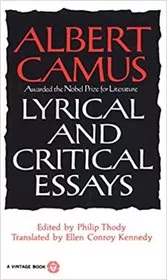
Lyrical and Critical Essays
by Albert Camus
1967
These essays pair youthful, sun drenched pieces about Algeria and the Mediterranean with later literary criticism. Camus reflects on art, landscape and mortality in a more personal register, offering a warmer counterpoint to his philosophical works.
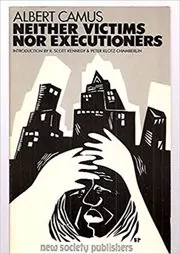
Neither Victims Nor Executioners
by Albert Camus
1968
Written just after the Second World War, these linked essays argue that modern politics must refuse both murderous terror and passive complicity. Camus sketches a politics of dialogue and limits, where people refuse to be either killers or willing victims.
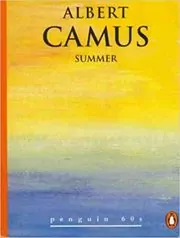
Summer
by Albert Camus
1968
In this slim volume of essays, Camus returns to the blazing light of Algeria and the Mediterranean coast. He meditates on beauty, ruins and history, suggesting how moments of clear joy can coexist with the knowledge of death and political disaster.
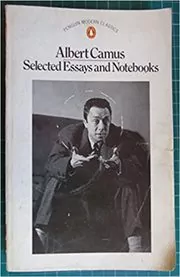
Selected Essays And Notebooks
by Albert Camus
1970
This anthology offers a cross section of Camus's shorter work, combining reflective essays with fragments from his private notebooks. Readers see major novels and ideas taking shape in brief scenes, aphorisms and working notes.
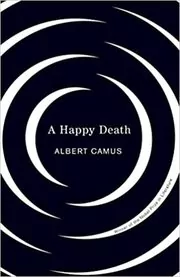
A Happy Death
by Albert Camus
1971
Patrice Mersault, a bored office worker in Algiers, commits a shocking crime that gives him the money and time to pursue happiness on his own terms. His travels and love affairs become a quiet experiment in whether freedom can make death feel complete.
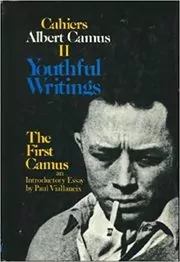
Youthful Writings
by Albert Camus
1976
Youthful Writings gathers early fiction, sketches and journalism from Camus's student years. These pieces show his first attempts to describe Algerian streets, poverty and desire, and allow readers to watch his style and preoccupations coming into focus.
Cahiers II
by Albert Camus
1977
Cahiers II continues Camus's working notebooks, mixing travel impressions, reading notes and seeds of future projects. The entries move quickly between images, questions and plans, offering a candid, unfinished portrait of his mind at work.
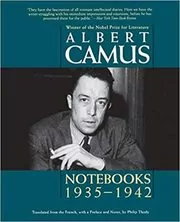
Notebooks 1935-1942
by Albert Camus
1978
These early notebooks record Camus's life before fame, from odd jobs and illness to his first attempts at plays and novels. Short entries capture the birth of themes like the absurd, revolt and Mediterranean joy that run through his later work.
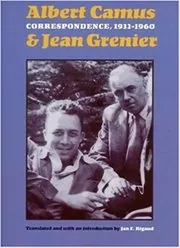
Correspondance, 1932-1960
by Albert Camus
1981
Spanning nearly three decades, this volume collects letters between Camus and friends, editors, family and fellow writers. The correspondence shows the private man behind the public thinker, wrestling with love, illness, politics and the demands of success.
Selected Political Writings
by Albert Camus
1981
Selected Political Writings brings together key articles, speeches and essays in which Camus confronts fascism, colonialism and the temptations of revolutionary violence. It is a compact introduction to his stubborn defense of human dignity in politics.

Christian Metaphysics and Neoplatonism
by Albert Camus
1985
Based on Camus's 1936 thesis, this early study examines how thinkers like Plotinus and Augustine blended Greek philosophy with Christian doctrine. It offers a surprisingly technical, historical look at themes of grace, freedom and humanist ethics that echo in his later work.
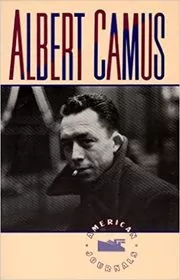
American Journals
by Albert Camus
1987
In these travel journals, Camus records his journeys through the United States and Latin America in the 1940s. He notes landscapes, lectures, illness and encounters with intellectuals, revealing both curiosity about the New World and a persistent feeling of distance.
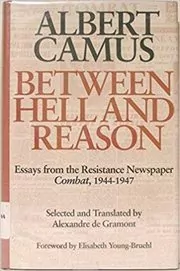
Between Hell & Reason
by Albert Camus
1991
Between Hell and Reason collects Camus's editorials for the Resistance newspaper Combat in the final years of the Second World War and its aftermath. The pieces track his shift from revolutionary hopes to a more sober ethic of justice, limits and responsibility.
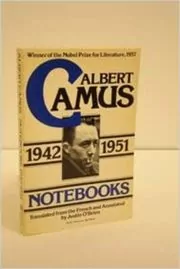
Notebooks, 1942-1951
by Albert Camus
1991
Covering the years when he wrote The Plague and The Rebel, these notebooks show Camus testing images, arguments and scenes before they appear in print. They also register his private doubts, political reflections and sudden flashes of gratitude or despair.

The Guest
by Albert Camus
1992
In this classic short story, a French Algerian schoolteacher is ordered to deliver an Arab prisoner across a barren plateau during the early stirrings of revolt. His attempt to remain neutral exposes how impossible it is to stand outside a divided country.
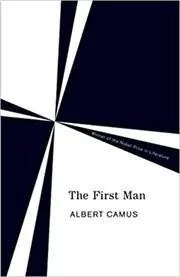
The First Man
by Albert Camus
1994
This unfinished novel follows Jacques Cormery, a stand in for Camus, as he returns to Algeria and reimagines his childhood in a poor family. Vivid scenes of school, streets and family tenderness turn into a moving search for origins and identity.
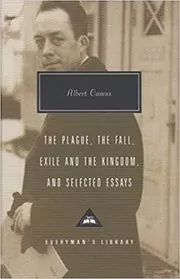
The Plague, The Fall, Exile and The Kingdom and Selected Essays
by Albert Camus
2004
This omnibus volume brings together three major works of fiction along with a selection of Camus's essays. It is an efficient way to explore his vision of absurdity, responsibility and exile across different genres in a single book.
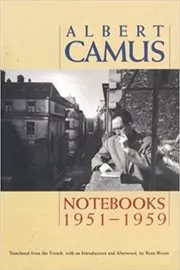
Notebooks 1951-1959
by Albert Camus
2008
These later notebooks cover the period after The Rebel, when Camus faced political controversy, ill health and unexpected fame. The entries reveal his struggle with isolation, his thoughts on the Algerian conflict and his mixed feelings about the Nobel Prize.
Create Dangerously
by Albert Camus
2018
Create Dangerously presents Camus's famous lecture on the artist's responsibility in a violent, ideologically charged century. He argues that true art cannot hide from history, yet must resist propaganda, speaking for those who cannot speak for themselves.
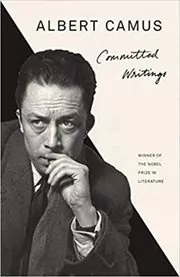
Committed Writings
by Albert Camus
2020
In Committed Writings, essays from across Camus's career are grouped around questions of justice, war and artistic duty. Letters to a German friend, meditations on capital punishment and his Nobel speeches sketch a consistent, humane politics of resistance.
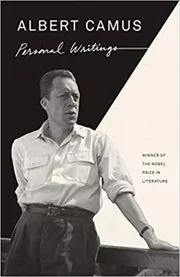
Personal Writings
by Albert Camus
2020
This volume collects some of Camus's most intimate essays, many drawn from his early books Nuptials and The Wrong Side and the Right Side. He writes about his mother, the sea, poverty and sunlight, tracing how these experiences shaped his inner life.
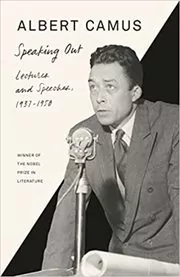
Speaking Out
by Albert Camus
2022
Speaking Out gathers lectures and broadcasts from 1937 to 1958, ranging from reflections on the postwar moral crisis to appeals for a civilian truce in Algeria. The speeches show Camus thinking aloud about freedom, violence and the writer's role in public life.

Travels in the Americas
by Albert Camus
2023
Travels in the Americas presents Camus's notebooks from voyages to North and South America, newly translated and annotated. His quick entries capture ships and cities, fatigue and exhilaration, giving an unguarded glimpse of a writer adjusting to fame far from home.
Where to start with Albert Camus
If you want his essential novels first: The Stranger → The Plague → The Fall → The First Man.
If you prefer the philosophy head-on: The Myth of Sisyphus → The Rebel → Create Dangerously.
If you are curious about his politics and journalism: Resistance, Rebellion and Death → Neither Victims Nor Executioners → Algerian Chronicles → Committed Writings.
If you are drawn to more personal, autobiographical work: A Happy Death → The First Man → American Journals → Personal Writings.
If you enjoy theatre and dramatic tension: Caligula → The Just → The Possessed.
Albert Camus collections, short stories, and related book types
Plays
Collection of Plays
Non-Fiction
Standalone Albert Camus books
Author bio
Albert Camus was born on November 7, 1913, in Mondovi, a small town in French Algeria, and grew up to become a novelist, essayist, playwright and journalist whose work circles around the problem of how to live without final answers. He is often linked with existentialism, but he described himself more simply as a writer concerned with justice, freedom and the fragile happiness available in ordinary life. In 1957 he received the Nobel Prize in Literature at the age of forty four, then died just a few years later in a car accident at forty six.
Camus was raised in a poor working class family in Algiers after his father was killed in the First World War. His mother, partially deaf and almost illiterate, cleaned houses to support Camus and his older brother in a cramped apartment. A primary school teacher, Louis Germain, spotted his talent, helped him win a scholarship to the lycée, and opened a path that might otherwise have been closed.
As a teenager he loved football, swimming and the sea as fiercely as he loved books, until a bout of tuberculosis in 1930 forced him to give up competitive sport and interrupt his studies. He kept going anyway, working odd jobs while studying philosophy at the University of Algiers and writing a thesis on Christian metaphysics and Neoplatonism that explored the meeting point of Greek thought and Christian faith. Those years also drew him into the theatre, where he joined the group L'Équipe and helped create a politically charged play about a miners' revolt that was swiftly banned.
In the mid nineteen thirties Camus began writing for left leaning papers in Algiers and briefly joined the Communist Party, driven less by dogma than by outrage at colonial inequality. His investigative pieces on famine and poverty in the Kabylia region documented the lives of Algerian villagers in stark detail and called for urgent reforms. The experience sharpened his distrust of rigid ideologies and his conviction that loyalty to real people mattered more than slogans.
War pushed those convictions into action when he moved to France, joined the Resistance, and eventually became editor of the clandestine newspaper Combat, arguing that Europe had to rebuild on justice rather than revenge.
Alongside this underground work he was drafting the books that made his name. In the novel The Stranger and the essay The Myth of Sisyphus he developed the idea of the absurd, the clash between our hunger for meaning and a silent world, and asked how to live without lying to ourselves. The Plague, set in a quarantined Algerian city, turned an epidemic into an image of both war and persistent human solidarity, following ordinary citizens who choose decency even when they cannot win.
In the nineteen fifties he turned from the problem of suicide to the problem of rebellion. The Rebel traced how the simple decision to say no can harden into totalitarian systems that justify murder, and it led to a bitter public break with Jean-Paul Sartre and other former allies on the left. At the same time Camus kept experimenting with form, writing the one man confessional novel The Fall and revising plays such as Caligula and his ambitious adaptation of Dostoevsky's Demons, The Possessed, which he directed in Paris shortly before his death.
Through all this success he never left Algeria behind. His essays and articles on the colony, later collected in Algerian Chronicles, condemned both French repression and nationalist terrorism and argued for a civilian truce that would protect ordinary people on every side. That refusal to pick a simple camp angered many readers, but it matched his belief that true revolt must reject both injustice and indiscriminate killing.
In 1957 Camus learned, to his surprise, that he had been awarded the Nobel Prize for Literature and used part of the prize money to stage The Possessed with an unusually large cast and ambitious rotating sets. Rather than bask in celebrity, he retreated to the countryside and began an autobiographical novel, The First Man, about childhood in a silent, loving but impoverished household in Algiers. In January 1960 he died instantly when the car in which he was a passenger left the road near Villeblevin in Burgundy; the unfinished manuscript of The First Man was recovered from the wreckage and published decades later. What remains on the page is a body of work that keeps asking hard questions in plain language, refusing despair while never minimizing suffering, and inviting readers to hold on to both clear eyed lucidity and a stubborn sense of human dignity.




Edited by
Software engineer whose passion for tracking book recommendations from podcasts inspired the creation of MRB.
Lead investor at 3one4 Capital whose startup expertise and love for books helped shape MRB and its growth.
Comments
Did we miss something? Have feedback?
Help us improve this page by sharing your thoughts