
John Irving Books in Order
The complete reading order for John Irving’s novels, featuring literary fiction known for eccentric characters, wrestling, and intricate plots.
Last updated: June 7, 2026
As an Amazon Associate, we earn from qualifying purchases (at no extra cost to you).
Publication Order
20 books
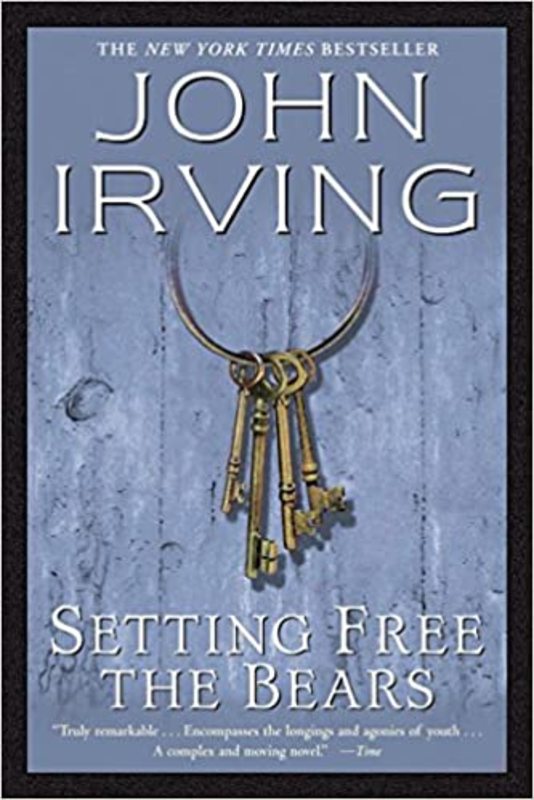
Setting Free the Bears
by John Irving
1968
Two university students in Vienna embark on a motorcycle trip through the Austrian countryside. Their adventure culminates in a chaotic, ill-fated plan to liberate the animals from the Vienna Zoo.
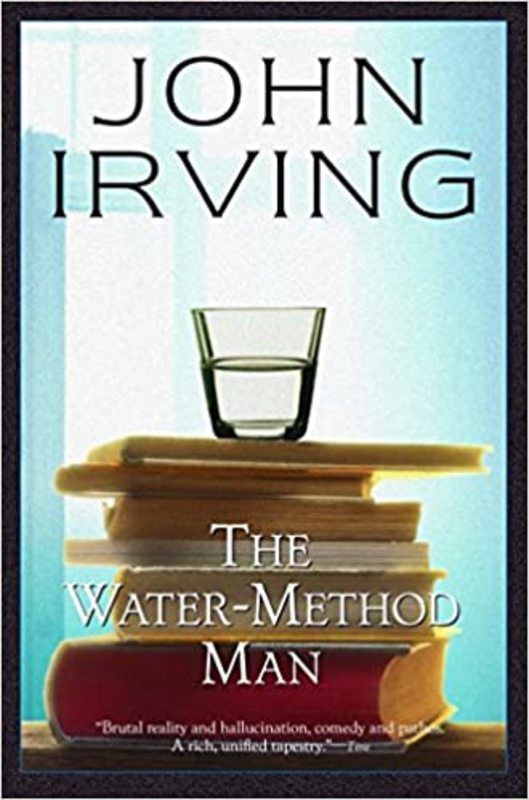
The Water-Method Man
by John Irving
1972
Fred "Bogus" Trumper is a PhD student and sound recordist struggling with a painful urinary tract condition. Between his complicated love life and a non-linear journey through Iowa, New York, and Vienna, he tries to get his life in order.
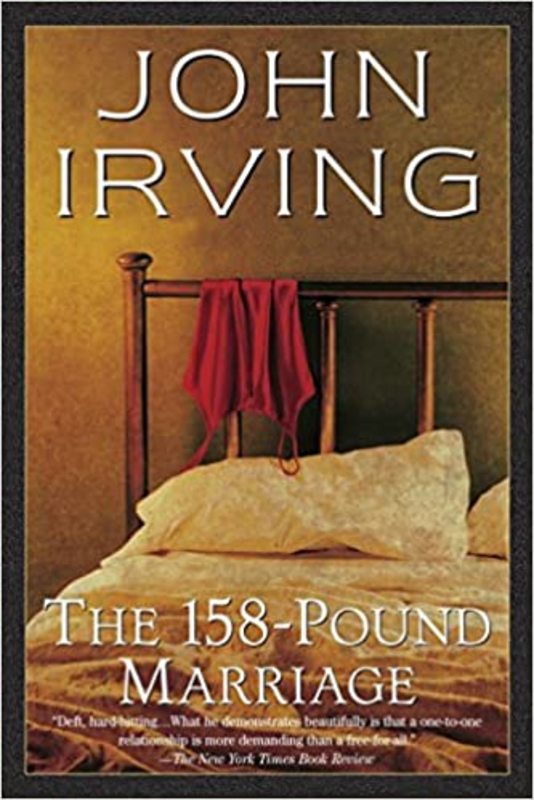
The 158-Pound Marriage
by John Irving
1974
Two couples in a New England university town decide to swap partners in a sexual experiment. As the affair progresses, the boundaries between sport, wrestling, and marriage blur, revealing deep emotional fault lines.
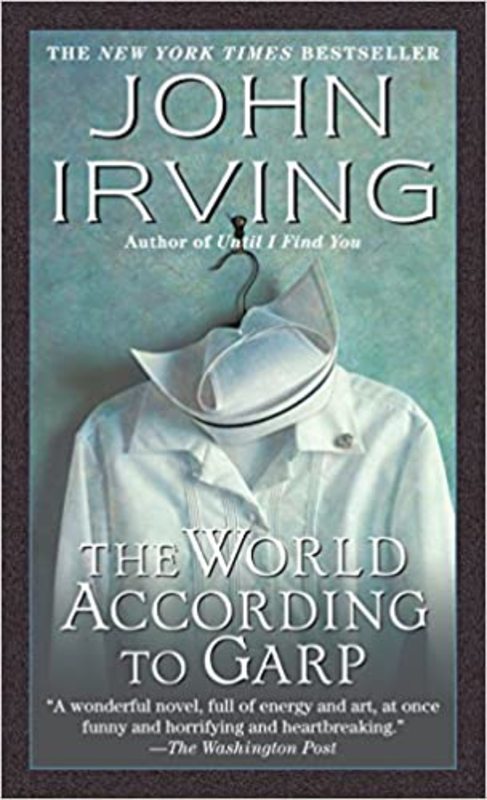
The World According to Garp
by John Irving
1978
T.S. Garp is the son of Jenny Fields, a feminist icon who wanted a child but not a husband. This sprawling tragicomedy follows Garp’s life as a writer, wrestler, and father in a world marked by sexual violence and absurdity.
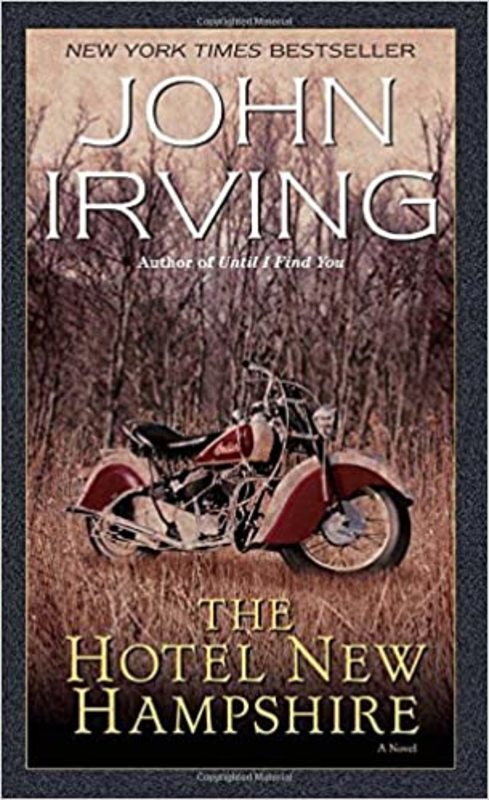
The Hotel New Hampshire
by John Irving
1981
The eccentric Berry family runs hotels in New England and Vienna, encountering bears, terrorists, and tragedy along the way. Through every disaster, the family clings to their motto: "Keep passing the open windows."
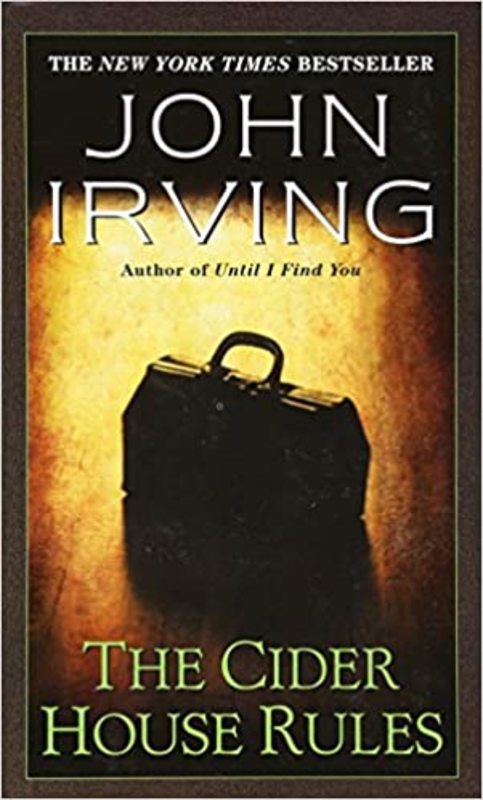
The Cider House Rules
by John Irving
1985
Homer Wells grows up in an orphanage run by Dr. Larch, an abortionist and ether addict. Homer eventually leaves to find his own path in an apple orchard, forcing him to confront the moral rules he was raised with.
A Prayer for Owen Meany
by John Irving
1989
Owen Meany is a tiny boy with a wrecked voice who believes he is God’s instrument. Narrated by his best friend, this story spans decades to reveal how a childhood baseball accident and the Vietnam War shape a miraculous destiny.
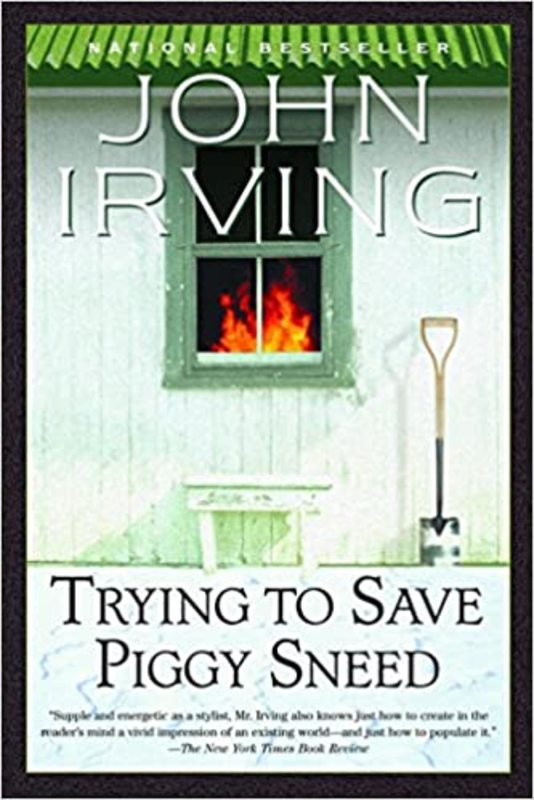
Trying to Save Piggy Sneed
by John Irving
1993
A collection of short memoirs, fiction, and essays. The title piece recalls the author's youth and a garbage collector, while other entries pay homage to Charles Dickens and Günter Grass.
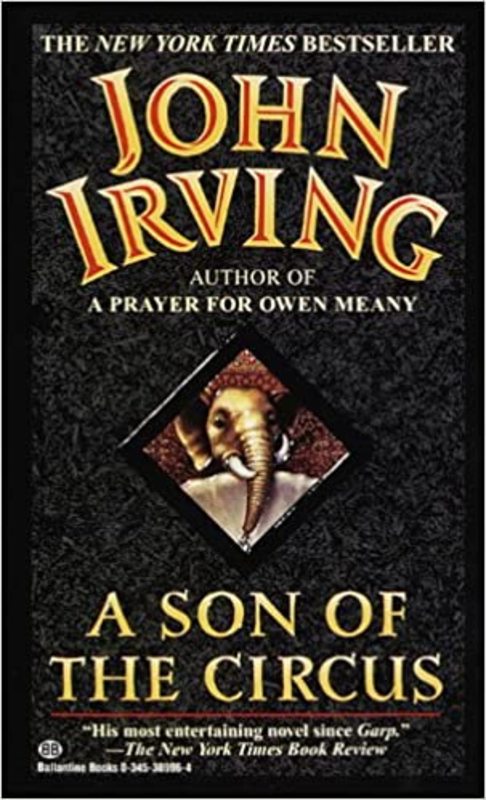
A Son of the Circus
by John Irving
1994
Dr. Farrokh Daruwalla, an orthopedic surgeon living in Toronto, returns to Bombay. There, he navigates a complex world of circus performers, dwarfs, and a serial killer, all while researching genetic markers.
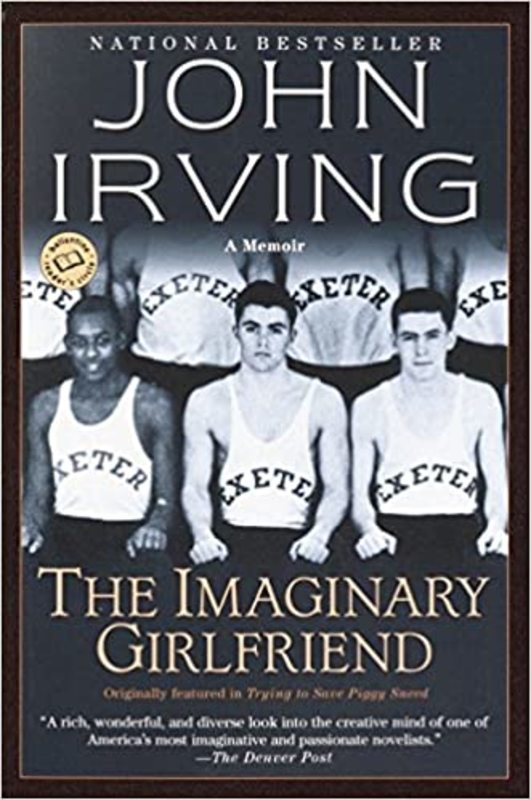
The Imaginary Girlfriend
by John Irving
1996
A miniature autobiography that explores the twin obsessions of Irving's life: writing and wrestling. He reflects on the mentors and coaches who shaped his discipline in both the craft of fiction and the sport on the mat.
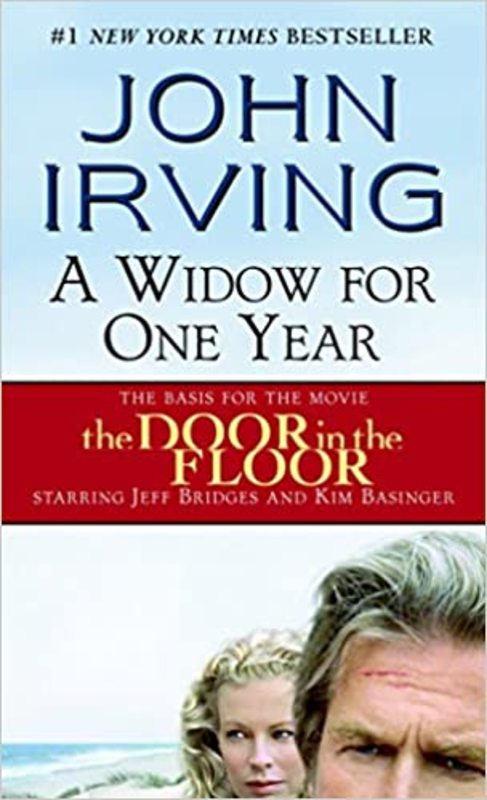
A Widow for One Year
by John Irving
1998
Ruth Cole, a successful novelist, grapples with a past defined by her parents' unhappy marriage and the death of her brothers. The story follows her through three distinct time periods as she learns how to love and write.
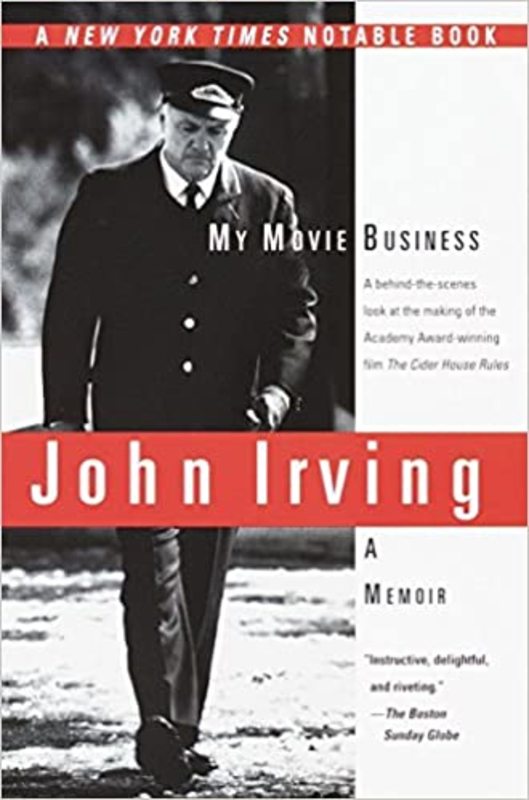
My Movie Business
by John Irving
1999
A memoir detailing Irving’s experiences adapting his own novels for the screen. He discusses the long journey to get *The Cider House Rules* made and the intricacies of translating literary fiction into film.
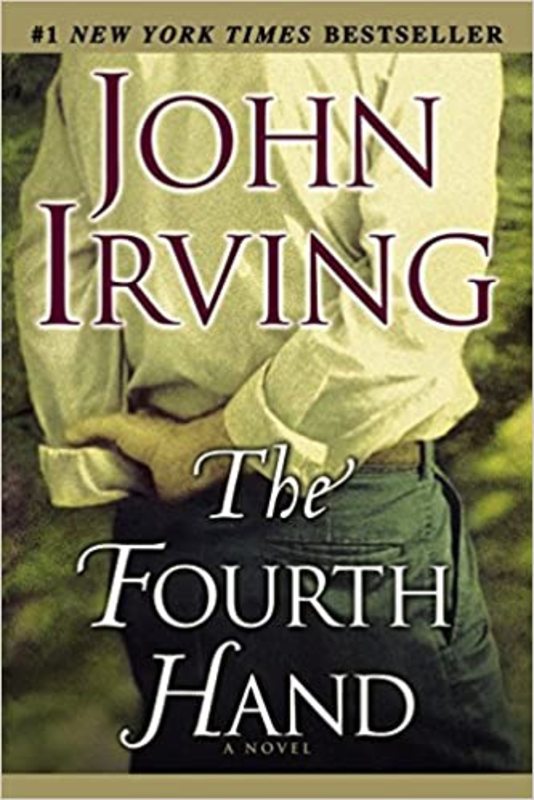
The Fourth Hand
by John Irving
2001
Television journalist Patrick Wallingford loses his hand to a lion on live TV. He receives a transplant from a donor whose widow demands visitation rights to the hand, leading to a strange and comic journey of redemption.
A Sound Like Someone Trying Not to Make a Sound
by John Irving
2003
A picture book originally featured within *A Widow for One Year*. When a young boy hears a spooky noise in the night, his father helps him investigate, discovering that the scary sound has a very small source.
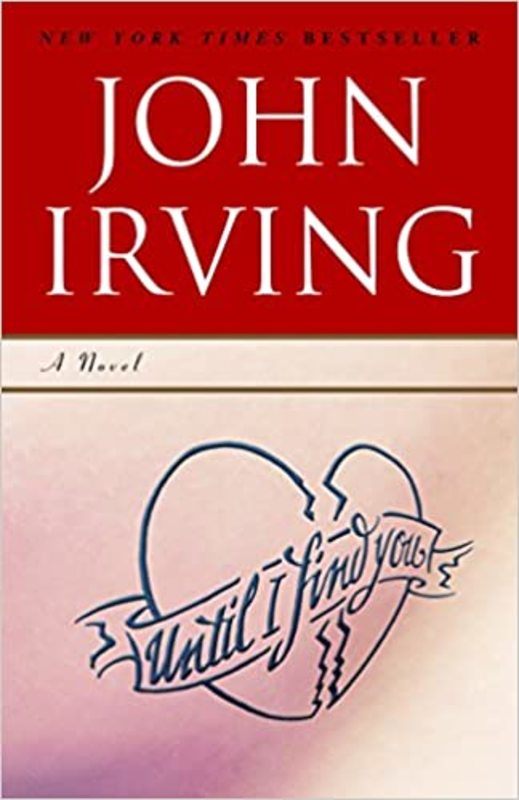
Until I Find You
by John Irving
2005
Actor Jack Burns grew up traveling with his tattoo-artist mother, searching for his missing father. As an adult, Jack revisits the memories of his childhood in Europe to uncover the lies that shaped his identity.
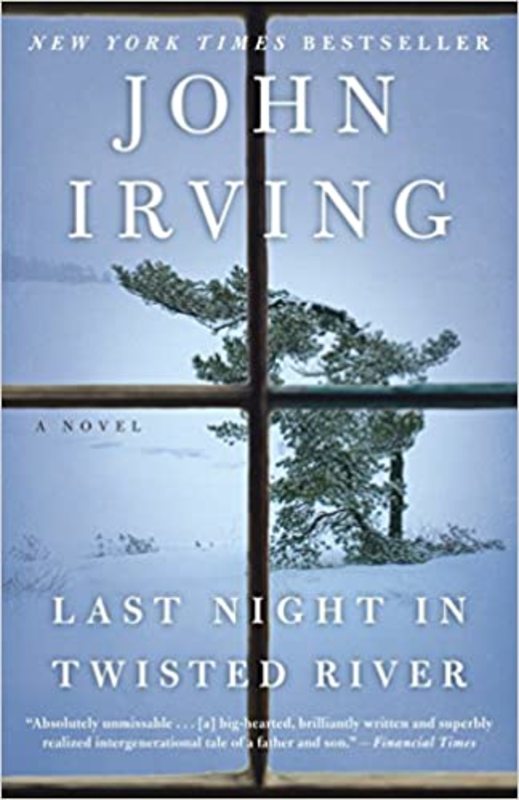
Last Night in Twisted River
by John Irving
2009
In 1954, a cook and his twelve-year-old son are forced to flee a New Hampshire logging settlement after a fatal accident. They spend the next five decades on the run, pursued by a relentless constable.
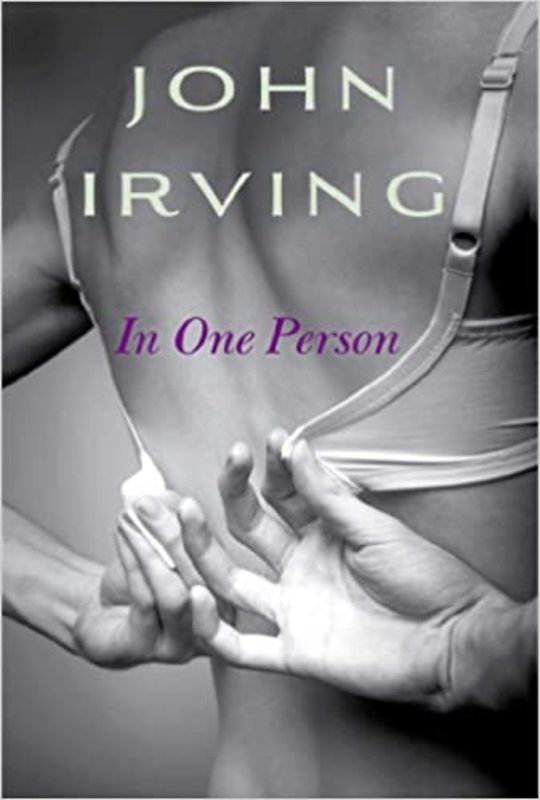
In One Person
by John Irving
2012
Billy Dean, a bisexual writer, looks back on his life and the transgender woman who mentored him in his youth. The novel explores sexual identity and the prejudices of the mid-20th century.
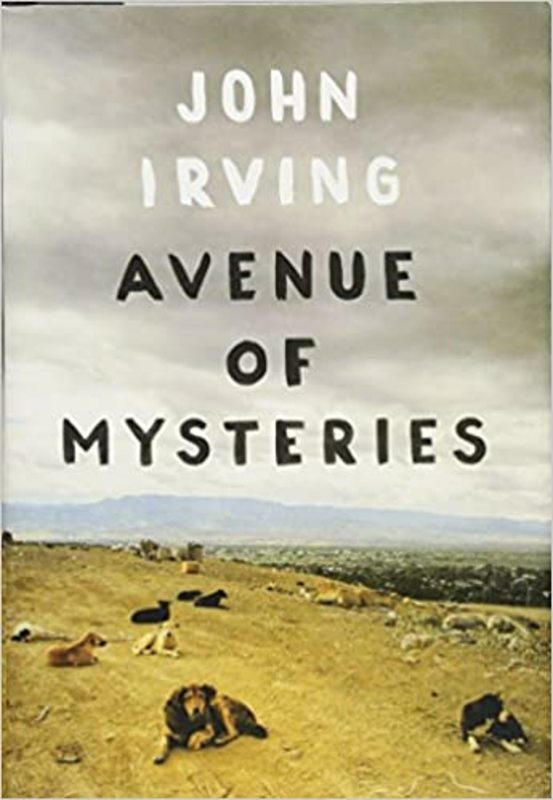
Avenue of Mysteries
by John Irving
2015
Juan Diego, once a "dump kid" in Mexico with a mind-reading sister, is now an aging writer traveling to the Philippines. His journey triggers vivid memories of his past, blending his current trip with the mysteries of his childhood.
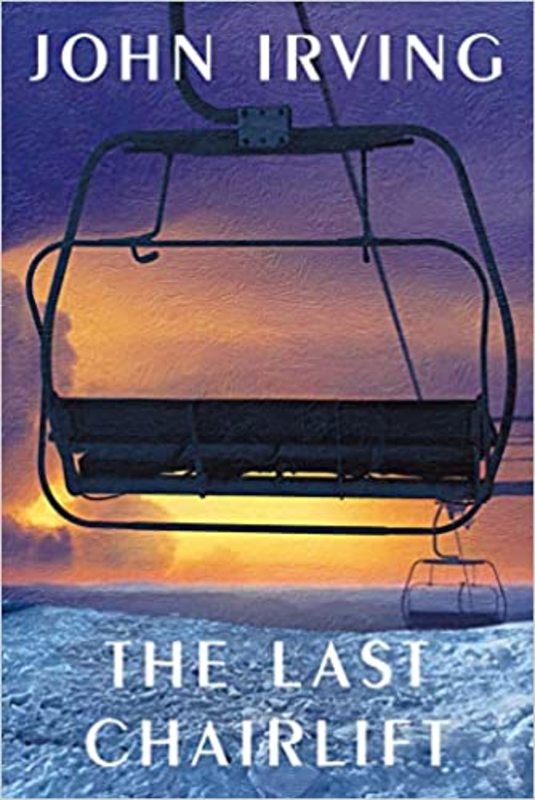
The Last Chairlift
by John Irving
2022
Adam Brewster travels to Aspen to find answers about his conception near a famous hotel. Raised by a skier mother in a family of ghosts and secrets, he uncovers a lifetime of sexual politics and alternative family structures.
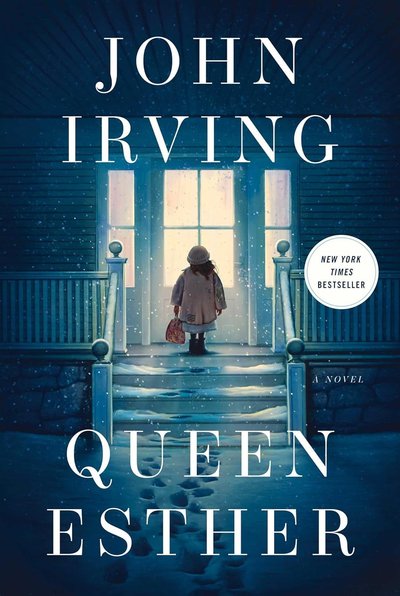
Queen Esther
by John Irving
2025
Esther Nacht, a Jewish orphan at St. Cloud's, is adopted by the Winslow family. This historical novel follows her life and her son's journey, weaving together themes of anti-Semitism, identity, and political history.
Where should I start?
If you want the breakout classic: The World According to Garp
If you prefer a fan-favorite masterpiece: A Prayer for Owen Meany
If you want a gripping historical drama: The Cider House Rules
Author bio
Born in Exeter, New Hampshire, in 1942, John Irving has built a literary career defined by epic storytelling, eccentric characters, and a distinctive blend of tragedy and comedy. For decades, he has remained a unique figure in the book world. He manages to write stories that feel like old-fashioned, nineteenth-century classics, yet they tackle thoroughly modern and controversial subjects.
Before he found fame as an author, Irving was deeply committed to the sport of wrestling. He competed as a wrestler for twenty years and continued to coach the sport until he was forty-seven. This wasn't just a hobby; the discipline of the sport shaped his approach to his craft. Irving frequently compares the stamina required to write a long novel to the endurance needed on the wrestling mat. This background surfaces constantly in his fiction, where characters often grapple with physical challenges as much as emotional ones.
Irving studied at the University of New Hampshire and later attended the prestigious University of Iowa Writers’ Workshop. It was there that he was mentored by the legendary Kurt Vonnegut. While Vonnegut’s influence was significant, Irving carved out his own path. He developed a style that readers instantly recognize.
His career truly exploded with the publication of his fourth novel, The World According to Garp. The book became an international phenomenon and a cultural touchstone. It won the National Book Award in 1980 and established him as a major voice in American letters. The novel perfectly showcased his ability to make readers laugh out loud one minute and cry the next.
His work is known for its sprawling narratives and emotional depth. If you pick up a John Irving book, you can expect a few recurring obsessions. He frequently writes about New England boarding schools, a setting he knows well from his own youth. He often includes bears, which serve as symbols of the unpredictable nature of life. He also draws heavily on his time spent in Vienna, Austria, which appears as a setting in several of his books.
Beyond the settings, Irving dives deep into complex themes. He explores sexual politics, identity, and the intolerance of society with great empathy. His plots often hinge on the concept of missing fathers and the idea that a single accident can change a life forever. Readers of books like A Prayer for Owen Meany or The Hotel New Hampshire know that he is a master of weaving these disparate elements into a cohesive, moving story.
Unusually for a novelist, Irving is also a highly successful screenwriter. He won an Academy Award for Best Adapted Screenplay for the film version of The Cider House Rules. He is one of the very few writers who has managed to effectively translate his own dense, multi-layered novels into cinema.
One famous quirk of his writing process is that he always writes the last sentence of a novel first. He claims he needs to know exactly where the story is going before he can begin. This meticulous planning allows him to construct complex plots that always resolve in satisfying ways.
Today, Irving holds dual citizenship in the United States and Canada. He continues to write stories that challenge social norms while retaining a classic storytelling structure. He remains a storyteller in the truest sense, creating worlds that readers want to get lost in.





Edited by
Software engineer whose passion for tracking book recommendations from podcasts inspired the creation of MRB.
Lead investor at 3one4 Capital whose startup expertise and love for books helped shaped MRB and its growth.
Comments
Did we miss something? Have feedback?
Help us improve this page by sharing your thoughts