
John E Douglas Books in Order
Explore John E. Douglas books in order with summaries, coauthored series, background on his FBI profiling career, plus guidance on the best place to begin.
Last updated: December 23, 2025
As an Amazon Associate, we earn from qualifying purchases (at no extra cost to you).
Publication Order
20 books
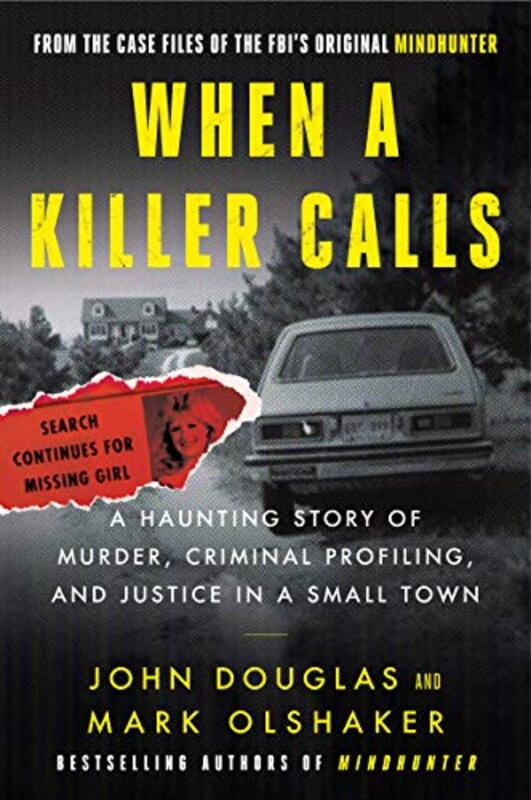
When a Killer Calls
by John E Douglas
2022
Douglas revisits the abduction and murder of teenager Shari Smith and nine year old Debra May Helmick, showing how a taunting caller and a chilling letter helped lead profilers to Larry Gene Bell and an end to his terror.
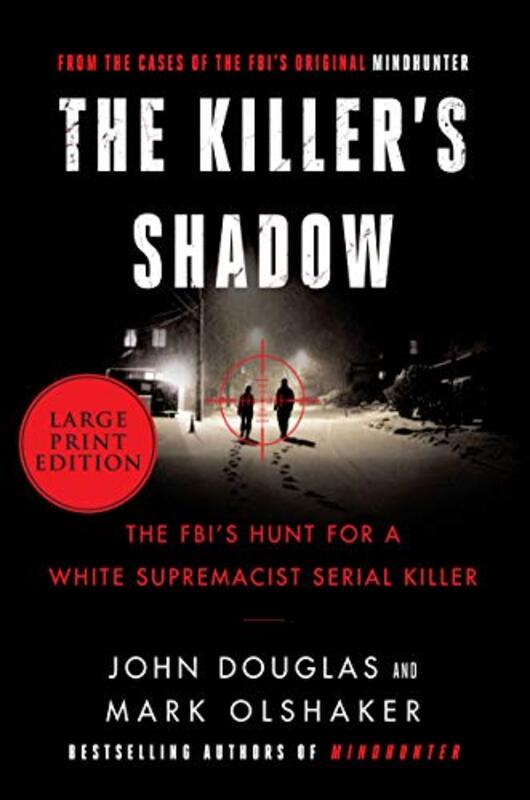
The Killer's Shadow
by John E Douglas
2020
Focusing on white supremacist serial killer Joseph Paul Franklin, Douglas traces a three year sniper campaign against Black people, Jews, and interracial couples and shows how early criminal profiling helped track a mission driven murderer powered almost entirely by hate.
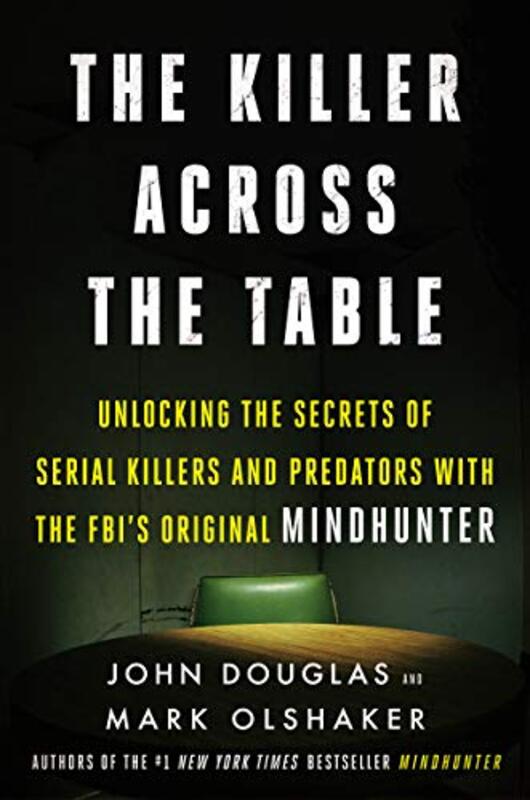
The Killer Across the Table
by John E Douglas
2019
Drawing on face to face interviews with four predatory killers, Douglas walks readers through the interrogation room, linking each man's crimes to his words and revealing how careful questioning can expose the thinking, triggers, and blind spots of psychopaths.
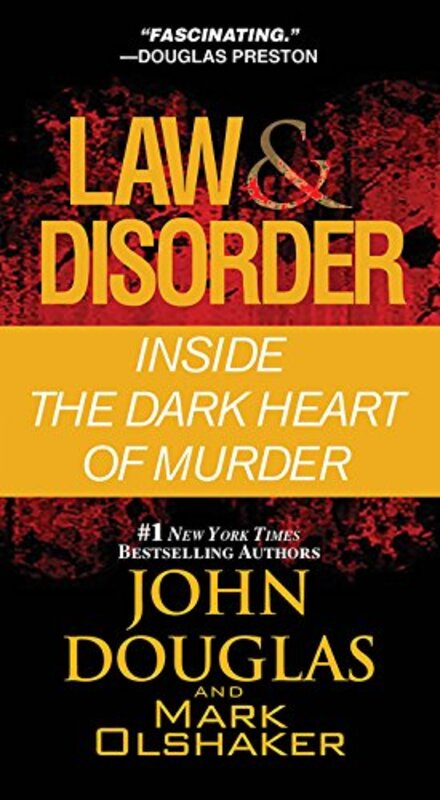
Law and Disorder
by John E Douglas
2013
Here Douglas turns his profiler's eye on the justice system itself, reexamining cases from Salem to the West Memphis Three, Amanda Knox, and JonBenet Ramsey to show how bias, bad forensics, and media pressure can delay or even deny real justice.
A Criminal Investigative Analysis of Jack The Ripper
by John E Douglas
2011
Originally prepared as an internal FBI profile, this report applies modern investigative analysis to the Whitechapel murders, using victim backgrounds, medical findings, and crime scene details to outline Jack the Ripper's likely personality, skills, and behavior before and after attacks.
Inside the Mind of BTK
by John E Douglas
2007
This narrative of the BTK case follows more than thirty years of stalking, taunting letters, and sudden silences in Wichita, as Douglas develops a profile of Dennis Rader and later sits down with him in prison to explore how he maintained his double life.
John Douglas's Guide to Landing a Career in Law Enforcement
by John E Douglas
2004
Part career manual and part insider's tour, this guide walks would be officers through self assessment, entrance exams, academy life, and day to day realities across local, state, and federal agencies, offering concrete advice on choosing a path and getting hired.
Anyone You Want Me to Be
by John E Douglas
2003
Douglas reconstructs the crimes of John Robinson, a seemingly ordinary Kansas family man who used online personas and sadomasochistic chat rooms to lure women with promises of love and work, then turned those virtual seductions into disappearances and murder.
Man Down
by John E Douglas
2002
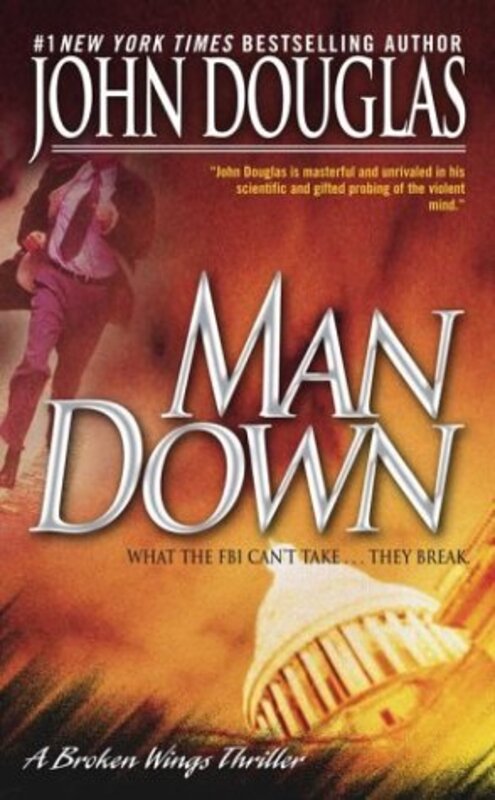
In the second Broken Wings novel, Jake Donovan's rogue team investigates the murder of a research scientist and a missing woman tied to their wealthy patron, even as a mysterious plane explosion and a personal kidnapping pull them into a wider conspiracy.
The Cases That Haunt Us
by John E Douglas
2000
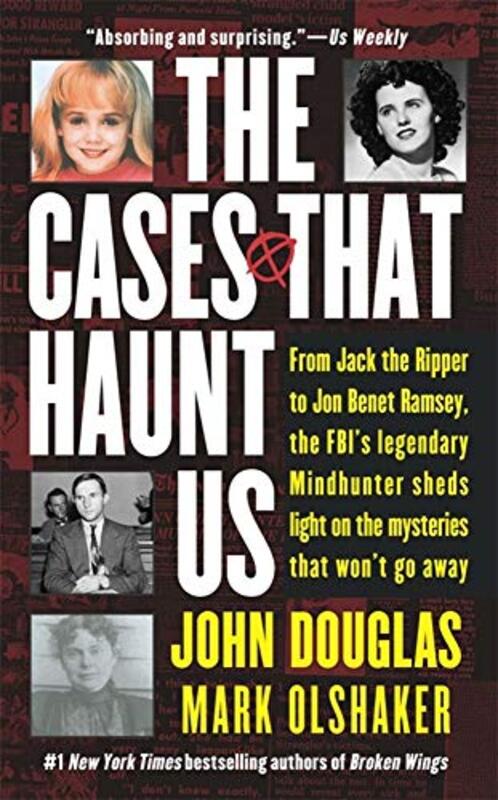
Profiling famous mysteries from Jack the Ripper and Lizzie Borden to the Lindbergh kidnapping, the Zodiac Killer, the Boston Strangler, the Black Dahlia, and JonBenet Ramsey, Douglas reassesses the evidence and explains which suspects and theories still stand up.
The Anatomy of Motive
by John E Douglas
1999
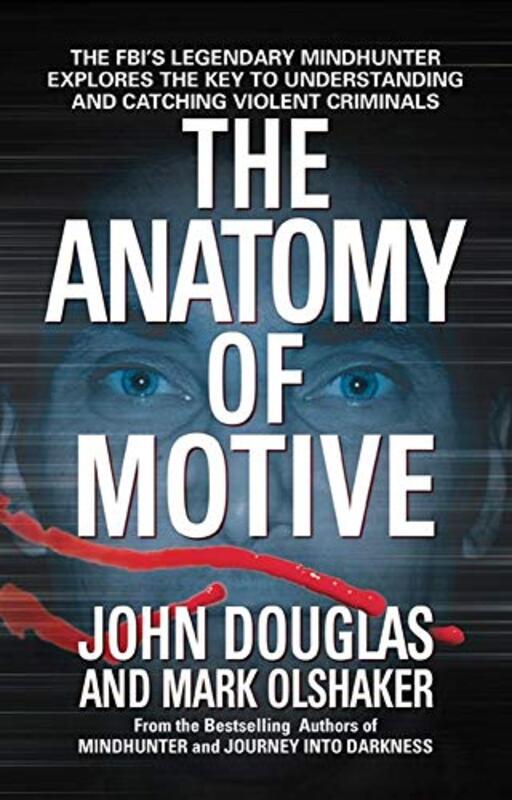
Rather than catalog crimes, this book digs into motives, from lone bombers and political assassins to workplace shooters and parents who kill their families, showing how early fantasies, grievances, and stressors can push very different offenders toward lethal violence.
Broken Wings
by John E Douglas
1999
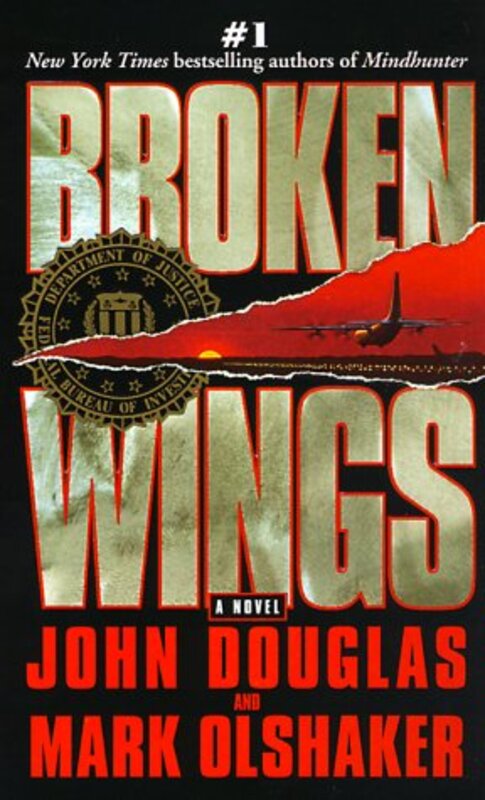
Forced out of the FBI after a botched standoff, profiler Jake Donovan seizes a second chance when the Bureau's director dies under suspicious circumstances and a private benefactor backs his dream of a flying squad, sending his offbeat team after a hidden mastermind.
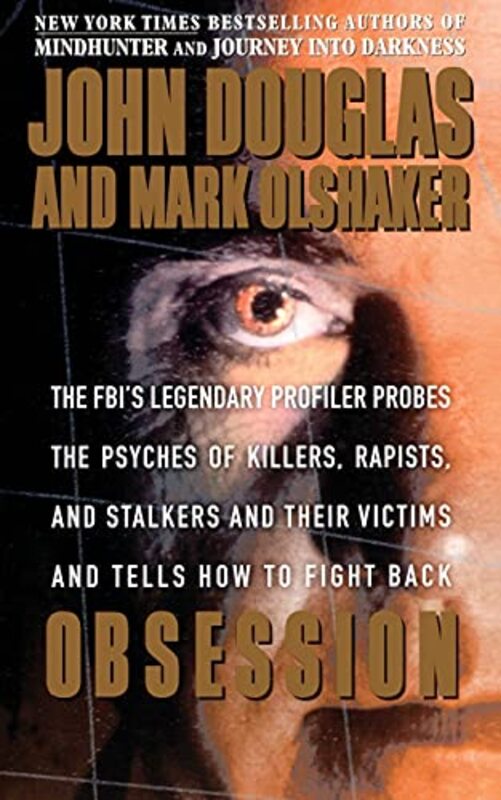
Obsession
by John E Douglas
1998
Obsession looks at predators whose crimes grow from fixation and control, examining serial rapists, stalkers, and sexual killers alongside the investigators and advocates who pursue them, and offering readers practical guidance on recognizing escalating behavior and fighting back.
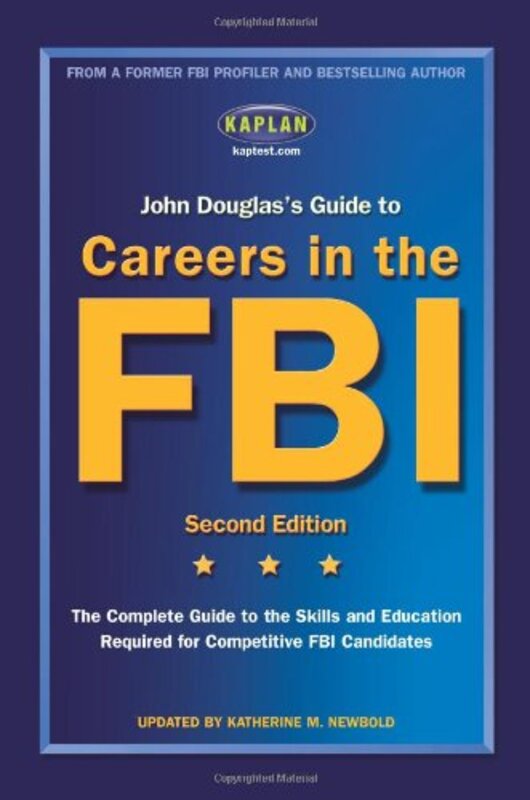
John Douglas's Guide to Careers in the FBI
by John E Douglas
1998
Douglas explains how the FBI is organized, what agents and specialists actually do, and which skills and education different roles require, giving realistic advice for applicants who want to prepare, apply, and thrive in a wide range of Bureau careers.
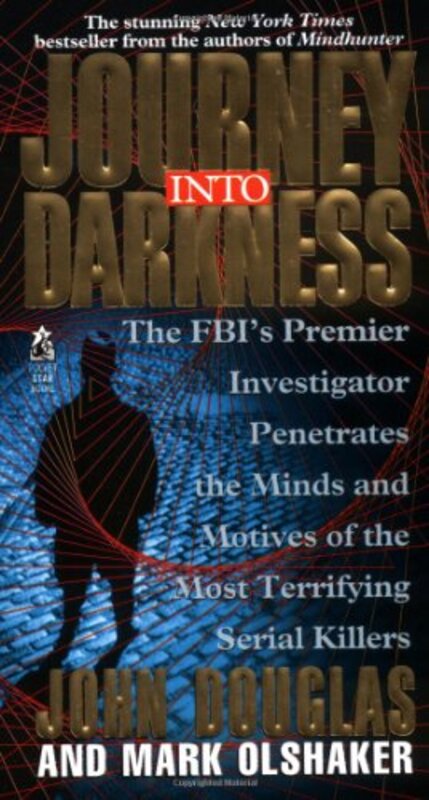
Journey Into Darkness
by John E Douglas
1997
Serving as a casebook companion to Mindhunter, this volume profiles serial killers, rapists, and child abductors, from the Clairemont murders to the crimes that led to Megan's Law, while showing how behavioral profiling works in practice and how families can improve safety.
Unabomber
by John E Douglas
1996
Douglas recounts the long hunt for the Unabomber, tracing Ted Kaczynski's early bombings, the fear they generated on campuses and airlines, the debate over publishing his manifesto, and how behavioral clues and family insight helped investigators finally close in on him.
Mindhunter
by John E Douglas
1995
Part memoir and part true crime history, Mindhunter follows Douglas from SWAT agent and hostage negotiator to head of the FBI's profiling unit, detailing prison interviews with notorious killers and the high risk investigations where behavioral analysis changed the search.
Sexual Homicide
by John E Douglas
1993
Based on detailed interviews with dozens of incarcerated sexual murderers, this classic study charts how fantasy, childhood experience, and crime scene behavior intertwine, giving investigators a framework for understanding organized and disorganized killers and the victims they target.
Pocket Guide to the Crime Classification Manual
by John E Douglas
1992
This compact reference distills the larger Crime Classification Manual into an outline format, listing key features of different murder, arson, and sexual assault types so patrol officers and detectives can quickly compare what they see at a scene with known patterns.
Crime Classification Manual
by John E Douglas
1992
Written for investigators, forensic specialists, and lawyers, this manual standardizes the way violent crimes are described, arranging murders, sexual assaults, arsons, and more by primary motive and outlining typical behaviors, scene indicators, and investigative considerations.
Where should I start?
If you want his core FBI story first: Mindhunter → Journey Into Darkness → The Anatomy of Motive → The Cases That Haunt Us
If you like in-depth single-case studies: Inside the Mind of BTK → Unabomber → Anyone You Want Me to Be → When a Killer Calls → The Killer's Shadow
If you enjoy cold cases and criminal history: The Cases That Haunt Us → A Criminal Investigative Analysis of Jack The Ripper → Crime Classification Manual
If you're considering law enforcement work: John Douglas's Guide to Landing a Career in Law Enforcement → John Douglas's Guide to Careers in the FBI
If you want fiction with a profiling twist: Broken Wings → Man Down
Author bio
John E. Douglas is widely known as a pioneer of criminal profiling, a former FBI special agent who helped build the Behavioral Science Unit at Quantico and later told the story of that work in books like Mindhunter and Journey Into Darkness.
He was born in Brooklyn, New York, in 1945 and grew up in nearby Hempstead, absorbing city life while wondering why some people turned violent and others did not. After an early attempt to study veterinary medicine at Montana State University, he left college, joined the United States Air Force in 1966, and finished his undergraduate degree in sociology and physical education at Eastern New Mexico University while on active duty.
Graduate work in psychology brought him into contact with an FBI agent who encouraged him to apply. Douglas entered the Bureau in 1970, starting in Detroit, where he served on the SWAT team as a sniper and later as a hostage negotiator, work that forced him to make fast decisions in high risk situations.
In 1977 he moved to the FBI Academy in Quantico and quietly began to change how violent crime was investigated.
At Quantico he taught hostage negotiation and applied criminal psychology to new agents and police officers from around the country. There he helped create the FBI's Criminal Profiling Program, which would evolve into the Behavioral Analysis Unit, and kept studying, earning a master's degree in educational psychology and later a doctorate in education.
On the road teaching, Douglas and colleagues started visiting prisons to interview convicted killers and sex offenders. Those painstaking conversations, combined with case files and crime scene photos, became the raw material for early profiling research and for foundational books such as Sexual Homicide and the Crime Classification Manual, which gave investigators shared language for describing complex violent crimes.
After a serious health crisis in the 1980s and his retirement from the Bureau in 1995, Douglas turned more fully to writing. With coauthor Mark Olshaker he produced a run of true crime books that mixed memoir and case analysis, including Mindhunter, Journey Into Darkness, Obsession, The Anatomy of Motive, and The Cases That Haunt Us, each exploring different corners of the criminal mind.
Later works shifted toward deep dives into individual offenders and systemic failures. Inside the Mind of BTK examines Dennis Rader's decades of killing around Wichita, Anyone You Want Me to Be follows internet predator John Robinson, and books like The Killer Across the Table, The Killer's Shadow, When a Killer Calls, and Law and Disorder look at everything from racist serial murder to wrongful convictions and the pressures that can warp a criminal investigation.
Douglas has also written fiction, beginning with the Broken Wings thrillers, and several practical guides for people considering law enforcement, including works on landing a career in law enforcement, careers in the FBI, and the Crime Classification Manual. Across formats, readers come back for the mix of procedural detail, plainspoken psychology, and concern for victims that runs through his stories.
His influence has spilled into film and television, inspiring characters such as Jack Crawford in The Silence of the Lambs and the Netflix series Mindhunter, which dramatizes the early days of profiling. Now living in the Washington, DC area with his wife, Pamela, he continues to consult on cases, speak to investigators and students, and write about what decades with the worst offenders have taught him about violence, justice, and how systems can do better.












Edited by
Software engineer whose passion for tracking book recommendations from podcasts inspired the creation of MRB.
Lead investor at 3one4 Capital whose startup expertise and love for books helped shaped MRB and its growth.
Comments
Did we miss something? Have feedback?
Help us improve this page by sharing your thoughts