
Herman Wouk Books in Order
Browse Herman Wouk’s books in order, with reading guides, plot summaries, series overviews, and tips on where to start with his WWII sagas and Jewish-themed fiction.
Last updated: June 7, 2026
As an Amazon Associate, we earn from qualifying purchases (at no extra cost to you).
Publication Order
24 books

The Ballad of Wake Island
by Herman Wouk
1941
Written early in World War II, this narrative poem takes the voice of a Marine sergeant reflecting on the siege of Wake Island. In ballad form it honors the island's outnumbered defenders and captures the stunned mood of America's first bitter losses.
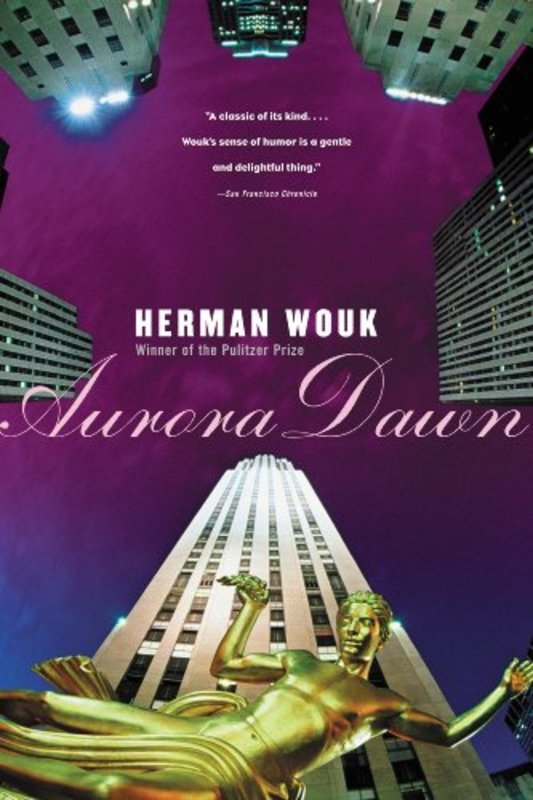
Aurora Dawn
by Herman Wouk
1947
Ambitious young Andrew Reale rides the boom of early radio advertising to sudden success in New York. As he chases money, status, and a strategic marriage, he must decide what he is willing to trade away for love, integrity, and a clear conscience.
The Traitor
by Herman Wouk
1949
Set in the early Cold War, this play centers on an American atomic scientist who secretly passes bomb research to the Soviet Union, convinced it will prevent a final war. As Naval Intelligence closes in, he is forced to confront the moral cost of his logic.
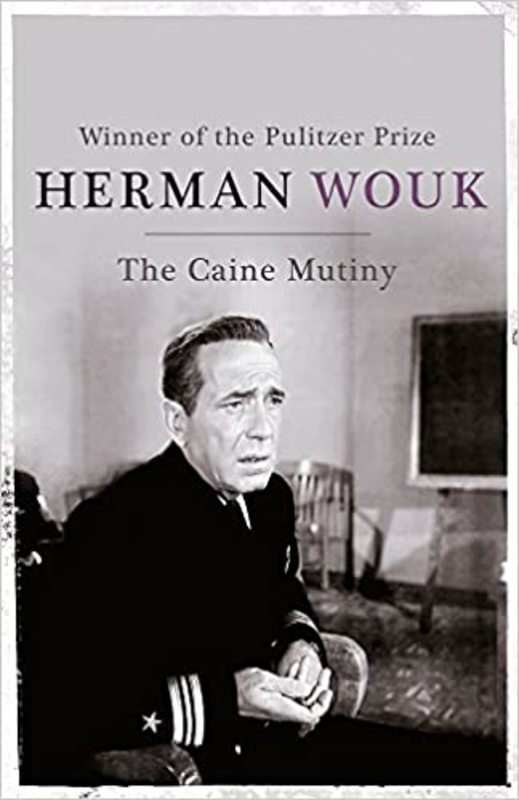
The Caine Mutiny
by Herman Wouk
1951
On a battered destroyer-minesweeper in the Pacific, young officer Willie Keith watches Captain Queeg's rigid command slide toward paranoia. When the crew's safety seems at risk, a desperate decision sparks a mutiny and court-martial that probes duty, courage, and the line between loyalty and rebellion.
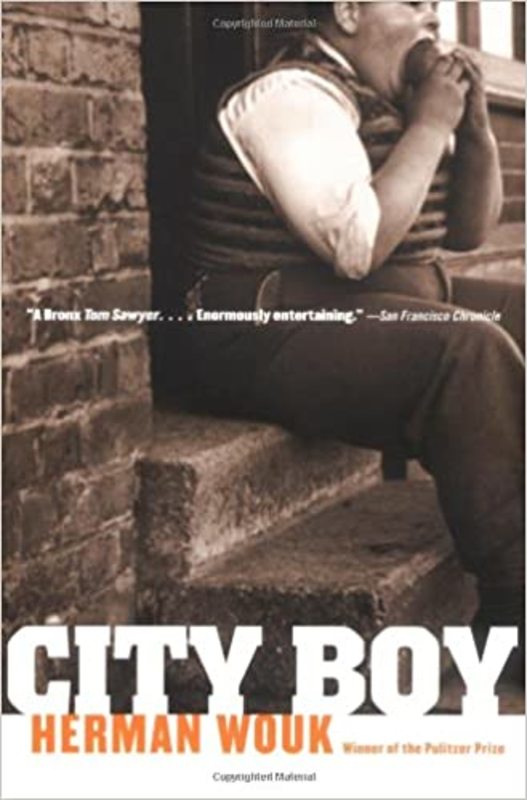
The City Boy
by Herman Wouk
1951
In 1920s Bronx, bright but awkward Herbie Bookbinder longs to be a regular fellow and win the attention of glamorous Lucille Glass. A summer at a Catskills camp becomes a comic education in friendship, first love, and the hazards of trying too hard to fit in.
The Caine Mutiny Court-Martial
by Herman Wouk
1954
This courtroom drama strips The Caine Mutiny down to the trial itself, as Lieutenant Maryk defends his decision to seize command from Captain Queeg during a typhoon. Through witness testimony, the audience must weigh memory, mental fitness, and what the Navy truly expects from its officers.
Marjorie Morningstar
by Herman Wouk
1955
In 1930s New York, Marjorie Morgenstern dreams of becoming an actress and remakes herself as Marjorie Morningstar. Torn between a charming but unreliable theatre director and her family's expectations, she wrestles with love, ambition, and what a good life really means.
Recommended by:
Slattery's Hurricane
by Herman Wouk
1956
In postwar Miami, disgruntled former Navy pilot Will Slattery flies into a raging hurricane on a weather mission, replaying the betrayals and bad choices that brought him there. Torn between two women and entangled in a smuggling ring, he searches for one act of real redemption.
This is My God
by Herman Wouk
1959
Part memoir, part primer, this book offers Wouk's plainspoken introduction to Judaism, from Sabbath and holy days to history, law, and modern Israel. Writing as an observant layperson, he explains how an ancient faith can still shape an engaged contemporary life.
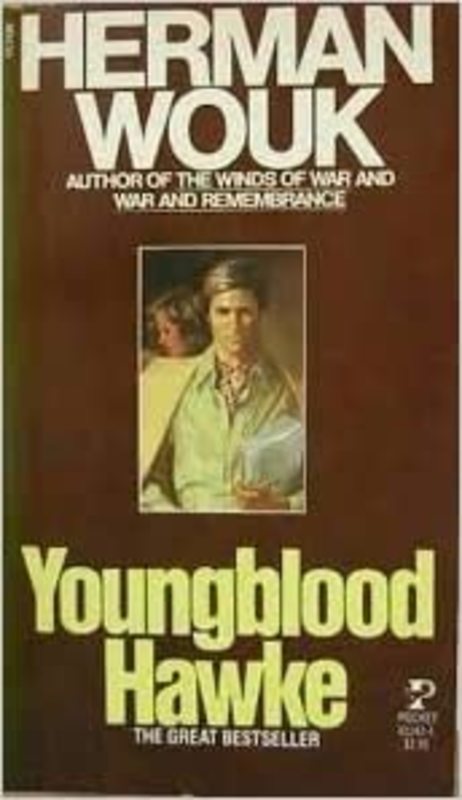
Youngblood Hawke
by Herman Wouk
1962
A young truck driver from Kentucky storms New York's literary scene with a huge first novel and sudden fame. As publishers, patrons, and lovers pull at him, Youngblood Hawke wrestles with ambition, loyalty, and the risk of burning out before his real work is done.
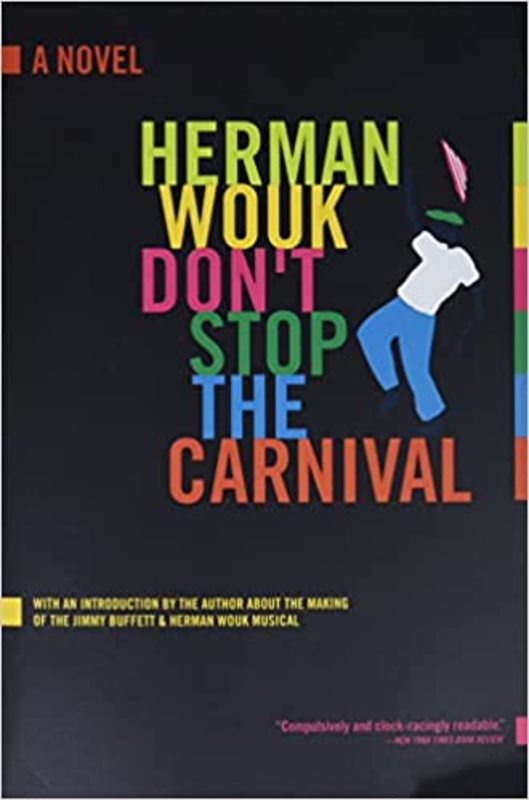
Don't Stop the Carnival
by Herman Wouk
1965
Middle-aged New York press agent Norman Paperman flees city stress for a rundown hotel on a Caribbean island that looks like paradise. Between unreliable staff, failing plumbing, and hurricane season, he discovers how quickly an escapist fantasy can turn into a hilarious, humbling ordeal.
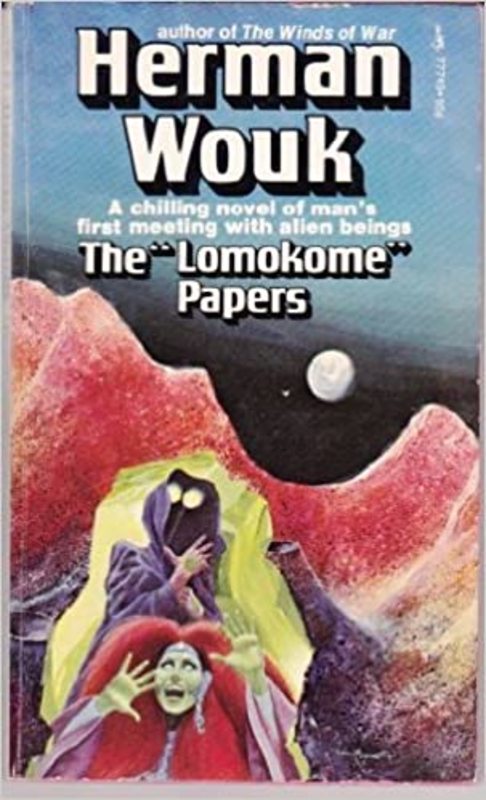
The "Lomokome" Papers
by Herman Wouk
1968
Presented as secret documents from a lunar mission, this short science-fiction satire follows an American astronaut stranded among rival utopian colonies on the Moon. His reports reveal how rigid idealism, whether capitalist or collectivist, can slide toward absurdity and mutual destruction.
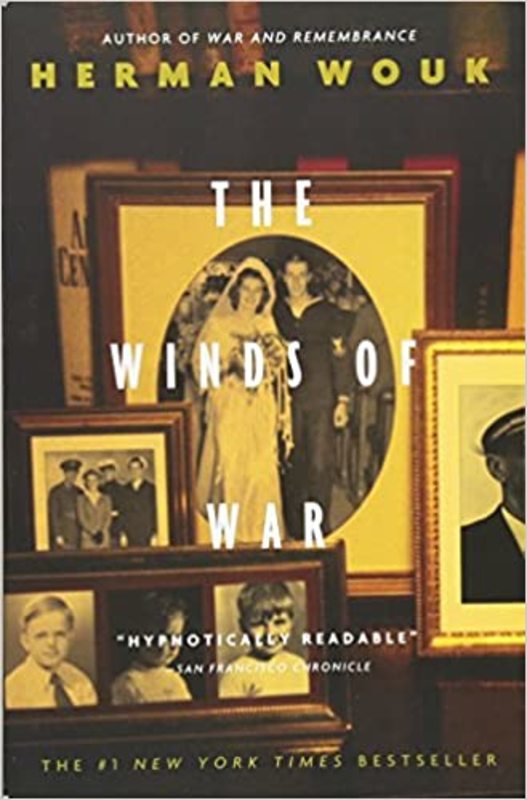
The Winds of War
by Herman Wouk
1971
Opening in 1939, this sweeping novel follows Navy officer Victor 'Pug' Henry, his family, and their Jewish relatives through the gathering storms of World War II. From Berlin and Warsaw to Washington and the North Atlantic, private loves and conflicts play out against the march to Pearl Harbor.
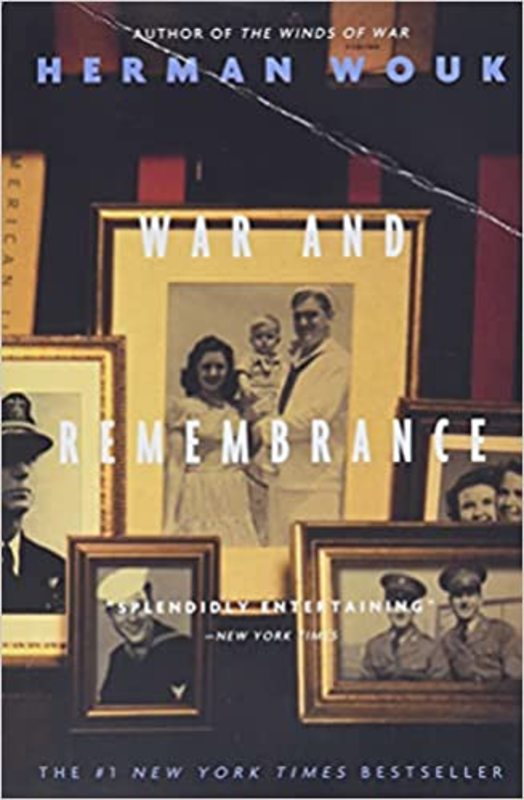
War and Remembrance
by Herman Wouk
1978
Continuing the Henry family saga, this volume carries the war from Pearl Harbor through 1945, intertwining Pacific battles, home-front strains, and the escalating persecution of Europe's Jews. The story moves from Midway and Leningrad to ghettos and camps, asking what courage and loyalty mean in total war.
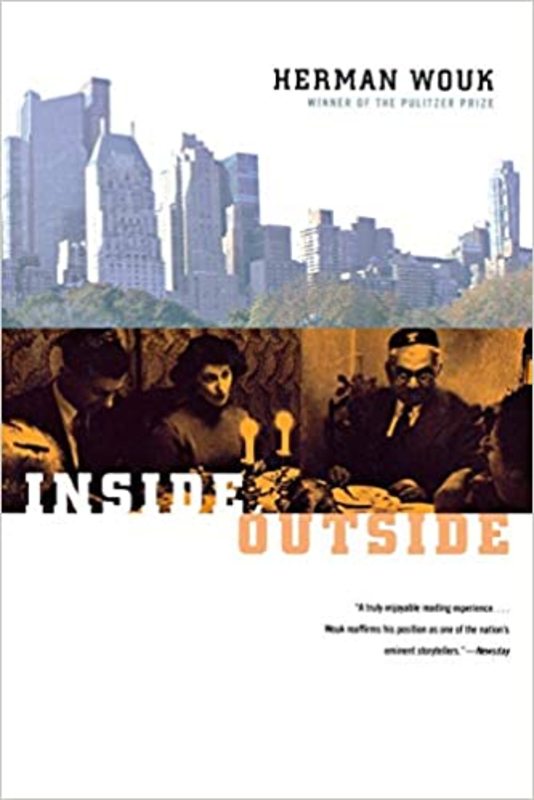
Inside, Outside
by Herman Wouk
1985
Through the wry memoir of Israel David Goodkind, a Washington speechwriter and grandson of Russian immigrants, this novel traces four generations of one Jewish family. Shifting between Bronx streets, comedy-writing in New York, and the Nixon-era White House, it explores identity, assimilation, and a return to religious roots.
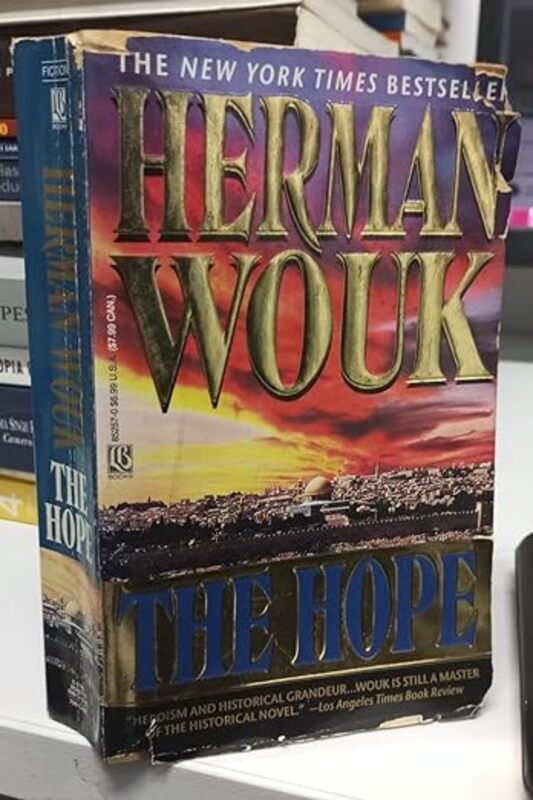
The Hope
by Herman Wouk
1993
Spanning Israel's first two decades, this novel follows officers Zev Barak and Joseph 'Don Kishote' Blumenthal, along with their families and comrades, through the 1948 War of Independence, the Sinai campaign, and the Six-Day War, blending battlefield scenes, politics, and tangled loves.
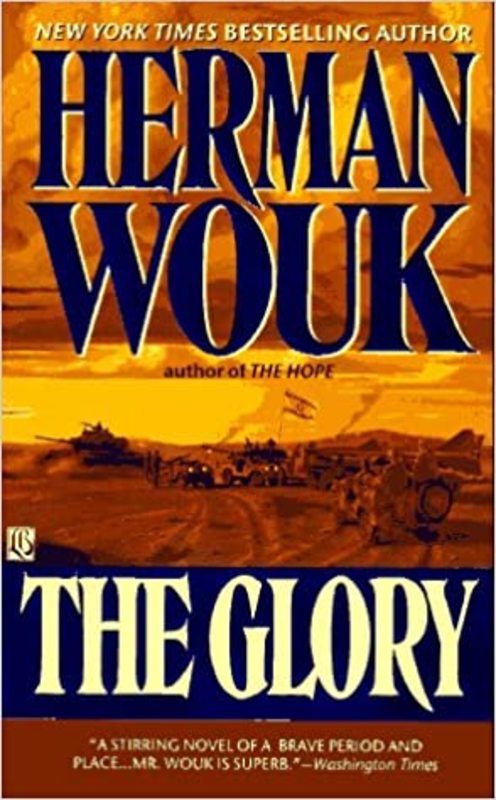
The Glory
by Herman Wouk
1994
Picking up where The Hope ends, this companion novel carries the same intertwined families into the aftermath of 1967, the War of Attrition, the Yom Kippur War, and the Entebbe rescue. It combines military drama with the personal cost of building and defending a modern Israeli state.

Agnon in Jerusalem
by Herman Wouk
1998
In this brief lecture-essay, Wouk recalls encounters with Nobel laureate S. Y. Agnon in Jerusalem and reflects on what Agnon's stories, and the city itself, meant to him. It is both a literary appreciation and a meditation on Jewish memory and creativity.
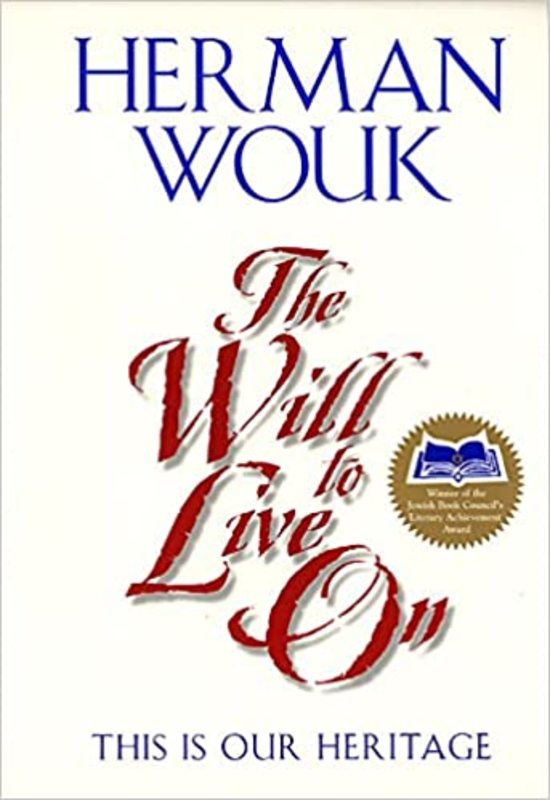
The Will to Live On
by Herman Wouk
2000
A companion to This is My God, this book tours Jewish history, texts, and communities at the turn of the twenty-first century. Wouk visits Israel and American congregations, meets leaders and students, and asks how a diverse, often assimilating people can keep its heritage alive.
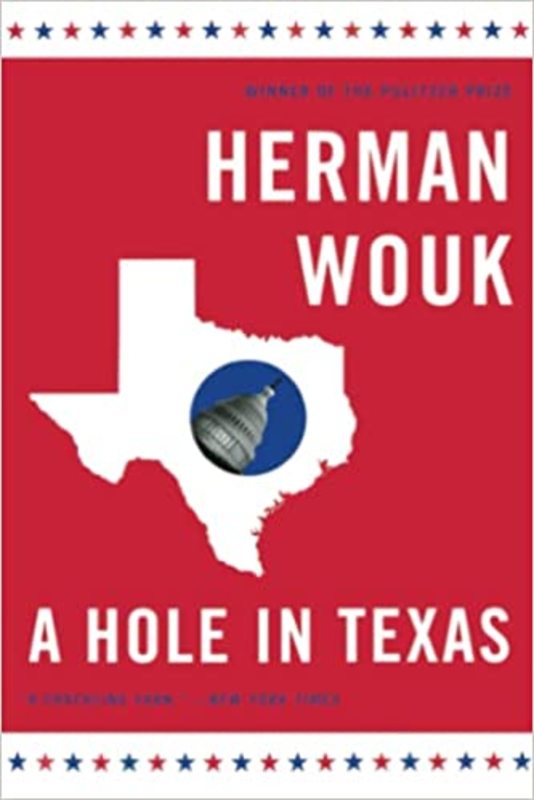
A Hole in Texas
by Herman Wouk
2004
When Chinese physicists announce they have discovered the Higgs boson, Texas-based scientist Guy Carpenter is hurled into a storm of media, politics, and old romance. As hearings, scandals, and a cheesy movie swirl around him, he tries to defend real science in a hype-driven world.
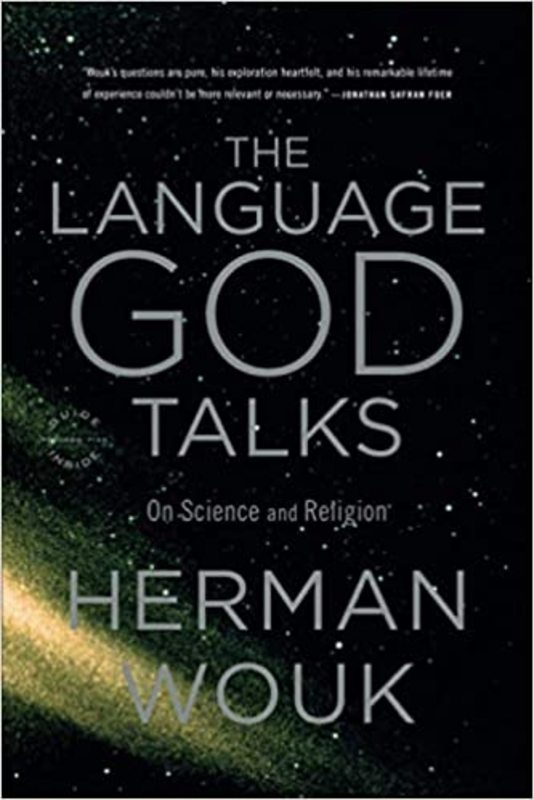
The Language God Talks
by Herman Wouk
2010
Prompted by a challenge from physicist Richard Feynman to learn the 'language God talks'—calculus—Wouk ranges through modern physics, biblical texts, and his own life. The result is a conversational reflection on how scientific wonder and religious faith can coexist.
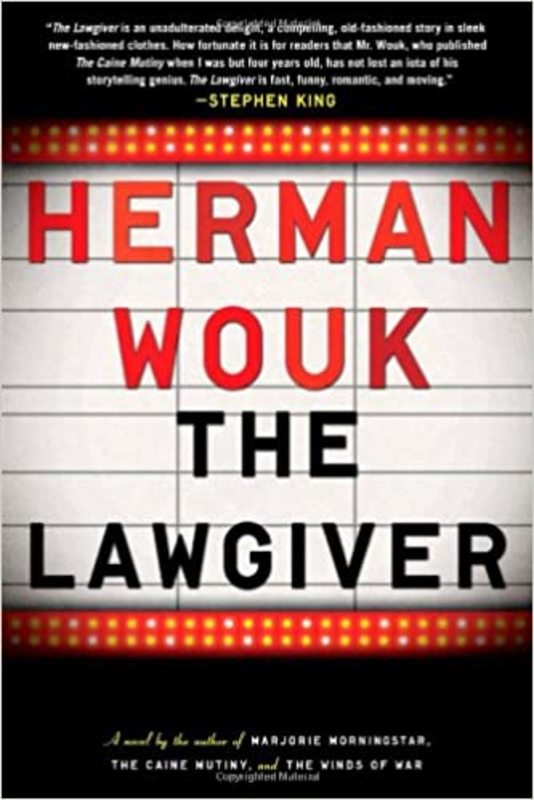
The Lawgiver
by Herman Wouk
2012
Told entirely through memos, emails, letters, and scripts, this playful novel follows a chaotic attempt to film the story of Moses. As producers, financiers, a young director, and a legendary author clash, art, commerce, and devotion collide in Hollywood and the Australian outback.
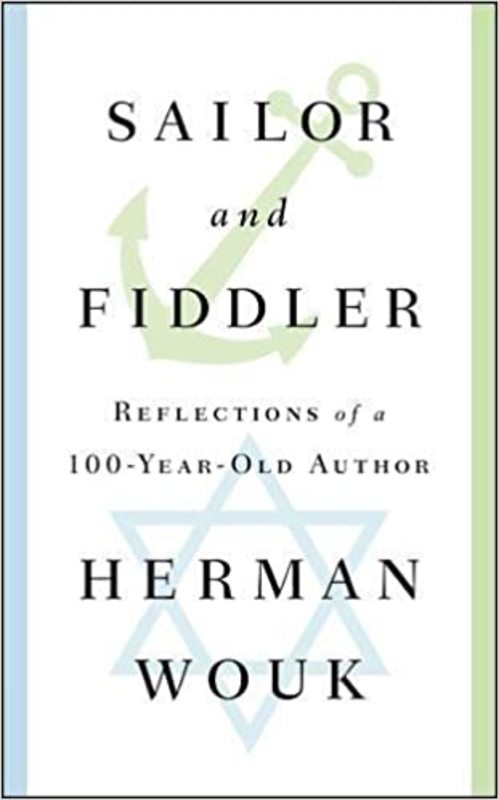
Sailor and Fiddler
by Herman Wouk
2015
In this slender memoir, written at one hundred, Wouk looks back on his twin callings as naval officer and Jewish storyteller. In short, candid vignettes he recalls radio days, wartime service, marriage, and the long, patient work behind his major novels.
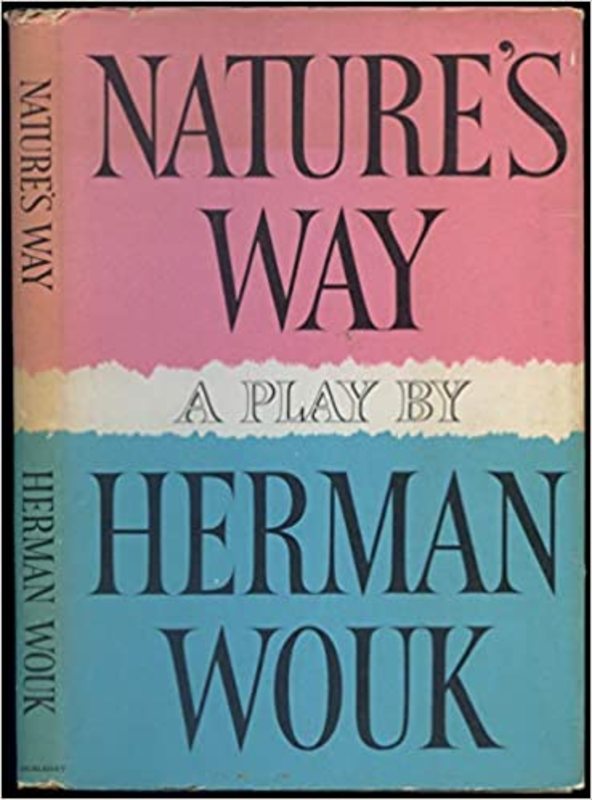
Nature's Way
by Herman Wouk
2020
This Broadway comedy drops newly married songwriter Billy Turk and his pregnant wife into a whirl of tax troubles, scheming in-laws, a predatory playwright, and a European princess. Farce, romance, and backstage theatrics test whether their young marriage can survive sudden success.
Where should I start?
If you want his World War II epic: The Winds of War → War and Remembrance.
If you prefer a single-ship wartime drama: The Caine Mutiny → The Caine Mutiny Court-Martial.
If you like character-driven American Jewish stories: The City Boy → Marjorie Morningstar → Inside, Outside.
If you are interested in Israel's modern history: The Hope → The Glory → This is My God → The Will to Live On.
If you want thoughtful nonfiction on science and faith: The Language God Talks → Sailor and Fiddler.
Author bio
Herman Wouk was an American novelist whose work bridged large-scale wars and the everyday details of family, faith, and work. Over a career that ran from the 1940s into the twenty-first century, he became known for books like The Caine Mutiny, The Winds of War, and War and Remembrance.
He was born on May 27, 1915, in New York City to Russian Jewish immigrants and grew up largely in the Bronx. At home he heard stories of the old country; on the streets he absorbed the slang, ambition, and rough humor of early twentieth-century New York.
Wouk attended Townsend Harris High School and then Columbia University, where he studied philosophy and edited the campus humor magazine. After graduating in 1934 he took a job writing for radio, crafting sketches and monologues for comedian Fred Allen and learning how to shape scenes, jokes, and timing for a national audience.
After Pearl Harbor he joined the U.S. Naval Reserve and served in the Pacific as a communications officer on destroyer-minesweepers, eventually becoming executive officer of the USS Southard. Long watches at sea and the strain of combat gave him material he would draw on for decades. Off duty he began drafting a first novel, Aurora Dawn, and, influenced by his grandfather and the shock of war, moved from a fairly casual Jewish identity toward a steady, observant life.
Back in civilian life he committed to writing full time. Aurora Dawn appeared in 1947, but it was The Caine Mutiny in 1951 that changed his fortunes. Based on his naval experience, the novel about a troubled captain and the officers who relieve him won the Pulitzer Prize for fiction and led to both a hit Broadway play and a film adaptation. In 1945 he had married Betty Sarah Brown, who became his closest collaborator and literary agent; together they raised three sons, though one died young in an accident that left a lasting mark on his work.
Through the 1950s and 1960s Wouk wrote about American aspiration and Jewish life in books such as City Boy, Marjorie Morningstar, Youngblood Hawke, and Don't Stop the Carnival. These novels follow strivers, actors, writers, and dreamers through summer camps, theatre companies, Caribbean hotels, and Manhattan offices, mixing broad comedy with the quieter costs of success and compromise.
At the same time he was researching the massive World War II saga that became The Winds of War and War and Remembrance. Across more than two thousand pages, the Henry and Jastrow families move through Berlin, Warsaw, Moscow, Washington, the Pacific, and the Nazi camps. The novels blend battle scenes, diplomacy, and domestic tensions, asking how ordinary people behave when history turns catastrophic. Their television adaptations in the 1980s brought his storytelling to an even wider audience.
Jewish history and belief remain at the center of much of his later work. In This Is My God he explained Orthodox Judaism in clear, conversational prose. Inside, Outside, The Hope, and The Glory traced families across Russia, America, and Israel, while The Will to Live On and The Language God Talks wrestled with questions raised by the Holocaust, modern physics, and the pull of tradition.
In his nineties he produced a brief memoir, Sailor and Fiddler, reflecting on his years as a naval officer, a working writer, a husband, and a practicing Jew. He also noted that he had been keeping detailed personal diaries since the 1930s, many volumes of which now sit in archives.
Wouk died in Palm Springs, California, on May 17, 2019, just ten days short of his 104th birthday. He left behind a shelf of fiction and nonfiction that still pulls readers into war rooms, summer camps, New York apartments, and Jerusalem streets, and keeps asking what it means to live decently in the middle of history.



Edited by
Software engineer whose passion for tracking book recommendations from podcasts inspired the creation of MRB.
Lead investor at 3one4 Capital whose startup expertise and love for books helped shaped MRB and its growth.
Comments
Did we miss something? Have feedback?
Help us improve this page by sharing your thoughts