
19 Best Network Security Books
Explore the best network security books, ranked by expert sources, with notes for beginners, defenders, security testers, and readers studying secure design.
Our take
Network security involves understanding communication, deciding what systems should trust, and recognizing evidence that something has gone wrong. The books here approach that work from different directions: packet analysis, monitoring, assessment, secure architecture, and the software weaknesses that can undermine defenses. Some assume programming experience, while others help administrators organize practical improvements.
Practical Packet Analysis, 3rd Edition is a useful starting point if network traffic still feels abstract. The Practice of Network Security Monitoring and Applied Network Security Monitoring move toward collecting evidence and investigating activity, while Network Security Assessment provides a more systematic testing perspective. For design questions, Zero Trust Networks examines how trust decisions shape a system. Several older books remain useful for concepts, but their commands, interfaces, and examples need checking against current tools. Start with packet analysis if you need fundamentals, then choose monitoring, assessment, or architecture according to the work you want to do.
19 books · 11 sources · Last updated
As an Amazon Associate, we earn from qualifying purchases (at no extra cost to you).
How to choose from this list
Skip to the full rankingIf network traffic is still unfamiliar: Practical Packet Analysis, 3rd Edition → Nmap Network Scanning
If you want to detect and investigate intrusions: The Practice of Network Security Monitoring → Applied Network Security Monitoring
If you want a systematic assessment approach: Network Security Assessment → Advanced Penetration Testing
If you want to investigate protocol weaknesses: Hacking → Attacking Network Protocols
If you secure infrastructure and design systems: Defensive Security Handbook → Zero Trust Networks
If you want the principles of secure communication: Cryptography and Network Security
The 19 books, ranked
Ranked by how many expert sources name each book. Ties go to the book more people recommend.

For analysts who want a repeatable monitoring workflow, Sanders and Smith connect collection, detection, and investigation. The operational focus helps turn traffic into evidence, but readers must update tool-specific details for their own environment.
What it's about
Chris Sanders and Jason Smith introduce network security monitoring through collection, detection, and analysis. Practical examples explain how analysts identify and investigate intrusions, building the skills needed to recognize malicious activity when preventive defenses fail.

For readers ready to understand exploitation beneath the tool interface, Erickson connects programming and memory behavior with security mistakes. The foundations reward close study, but older environments require adaptation and this is not a network-administration primer.
What it's about
Jon Erickson introduces computer exploitation through the fundamentals of C programming and the behavior of software. Technical explanations and examples connect programming mistakes, memory, networks, and security weaknesses, showing how a detailed understanding of systems supports creative problem solving.

For defenders who need to investigate suspicious programs, Sikorski and Honig provide a structured laboratory approach to malware analysis. Its technical depth supports incident work, but the Windows-focused examples demand more preparation than introductory network monitoring.
What it's about
Michael Sikorski and Andrew Honig explain how analysts investigate malicious software. Hands-on labs and detailed dissections of malware samples give readers practice examining programs, interpreting their behavior, and combining investigative techniques to understand what a suspicious file does.

Practical Packet Analysis, 3rd Edition
For readers who need to understand what network traffic actually shows, Sanders teaches through packet captures and troubleshooting examples. The concrete approach makes a strong foundation, but interface details reflect an older Wireshark release.
What it's about
Chris Sanders explains how to capture and interpret network traffic with Wireshark and command-line tools. Examples cover common protocols, troubleshooting, and suspicious activity, helping readers connect packet-level evidence with the behavior of applications and networks.
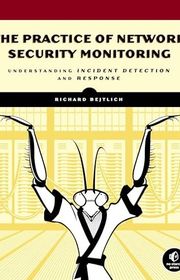
The Practice of Network Security Monitoring
For defenders building a monitoring capability, Bejtlich connects technical collection with the people and processes needed to investigate incidents. The operational framework is valuable, but tool examples need updating for a present-day deployment.
What it's about
Richard Bejtlich introduces network security monitoring as a way to detect and investigate intrusions. The book covers collecting traffic, deploying sensors, organizing analysis, and responding to evidence, connecting technical tools with the operation of a monitoring program.

For testers who want a systematic way to investigate web applications, Stuttard and Pinto develop reasoning beyond individual tools. The depth supports careful study, but older application technologies need supplementing and the scope extends beyond networks themselves.
What it's about
Dafydd Stuttard and Marcus Pinto examine web application vulnerabilities through systematic testing and defense. This second edition updates the techniques for evolving application technologies, including client-side weaknesses, and explains how attackers approach systems and how defenders address those risks.

For readers who want the principles behind secure communication, Stallings provides a structured treatment with exercises and mathematical detail. Its textbook organization supports systematic study, but it is less direct for everyday monitoring tasks.
What it's about
William Stallings surveys cryptographic principles and their practical use in network security. This seventh edition combines explanations of security technologies with applications and exercises, including work with the Sage mathematics system to explore cryptographic algorithms.

For readers comparing attack patterns with defensive responses, this edition presents an organized survey of network weaknesses and countermeasures. The paired approach remains useful for reasoning, but many specific technologies and examples reflect its publication period.
What it's about
Stuart McClure, Joel Scambray, and George Kurtz examine network attack methods and corresponding defenses. The seventh edition covers reconnaissance, Windows and UNIX systems, remote access, wireless and embedded devices, and web applications, with a map of countermeasures.

For testers who want to understand Metasploit within a broader assessment process, the guide gives structured context to tool use. Its explanations support learning, but framework changes mean commands and integrations require current documentation.
What it's about
David Kennedy and his coauthors introduce the Metasploit Framework through a structured penetration testing methodology. The guide shows how simulated attacks can expose network vulnerabilities, combining explanations of the tools with practical examples for security professionals.

For security professionals seeking a repeatable assessment method, McNab organizes exposed services and vulnerabilities into a systematic workflow. The reference structure helps targeted consultation, but the technical density assumes networking knowledge and careful verification of older details.
What it's about
Chris McNab outlines a repeatable process for identifying and assessing network vulnerabilities. Reconnaissance, scanning, investigation, and testing help security professionals examine exposed systems and services, understand their risks, and use the findings to strengthen defenses.

Nmap Network Scanning
For administrators and assessors who want to understand scanning rather than copy commands, Lyon explains the tool’s behavior and tradeoffs. The detailed reference rewards selective reading, but newer features require consultation of the maintained documentation.
What it's about
Gordon Lyon explains Nmap’s network discovery and security-scanning capabilities, from identifying hosts and services to interpreting results. Examples and technical discussion connect command options with network behavior, helping readers use scanning as part of administration and assessment.
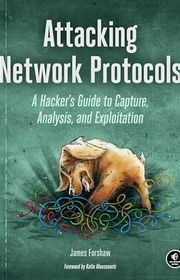
Attacking Network Protocols
For experienced developers and testers investigating unfamiliar protocols, Forshaw provides a method for examining communication and implementation behavior. The technical perspective builds deeper understanding, but it requires programming comfort and more effort than an introductory tool guide.
What it's about
James Forshaw examines network protocol security through capturing traffic, understanding formats, and investigating implementations. Practical examples connect protocol behavior with vulnerabilities and analysis tools, helping readers reason about weaknesses in the communications used by applications and systems.

For Python programmers who learn security by constructing tools, Seitz and Arnold make automation concrete through practical projects. The Python 3 edition supports hands-on study, but it assumes coding confidence and emphasizes testing more than defensive operations.
What it's about
Justin Seitz and Tim Arnold demonstrate how to build security testing tools with Python 3. Projects cover network analysis, web testing, Windows systems, and memory forensics, connecting programming techniques with the work of penetration testers.

For administrators improving security with limited time and resources, Brotherston and Berlin break a broad problem into manageable areas. Its operational breadth helps identify overlooked basics, though individual subjects receive less depth than specialist manuals.
What it's about
Lee Brotherston and Amanda Berlin present practical approaches to improving organizational security with limited resources. Chapters address individual problems, including incident response, compliance, network infrastructure, passwords, vulnerability scanning, and testing, with steps and tools for manageable improvements.

For readers responsible for the human side of security, Hadnagy explains why technical controls can fail when people are influenced. The behavioral perspective complements infrastructure books, but it offers less help with packet analysis or network configuration.
What it's about
Christopher Hadnagy examines how attackers exploit human behavior to gain access to information and protected spaces. Past examples illustrate techniques for influencing people and bypassing technical defenses, with discussion aimed at helping security professionals recognize and address the human side of attacks.

For testers moving beyond isolated vulnerabilities, Kim emphasizes campaigns that examine an organization’s defensive response. The laboratory orientation makes the perspective concrete, but tool-dependent examples require updating and assume prior assessment experience.
What it's about
Peter Kim shifts the playbook toward red team operations, emphasizing campaigns that test an organization's defenses and responses. Practical exercises and a laboratory environment connect advanced attack scenarios with the assessment of security controls and detection capabilities.
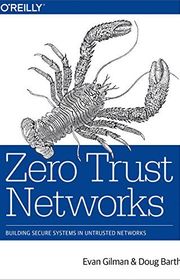
Zero Trust Networks
For architects reconsidering trust inside an organization, Gilman and Barth explain a security model built around identity and verification. Its design perspective complements monitoring manuals, but readers seeking contemporary implementation detail should compare later editions.
What it's about
Evan Gilman and Doug Barth describe designing systems that do not assume a trusted internal network. The book explores identity, authentication, authorization, and policy, connecting these principles with the architecture and operation of secure distributed environments.

For experienced testers planning complex assessments, Allsopp connects technical and human weaknesses into larger scenarios. The strategic perspective distinguishes it from tool introductions, but readers need substantial foundations and should check dated implementation details.
What it's about
Wil Allsopp examines advanced penetration testing through simulations of sophisticated attacks on highly secured organizations. The book combines social engineering, programming, and vulnerability assessment to explore how complex attack scenarios can reveal weaknesses in network defenses.

For practitioners who want exposure to several forms of ethical testing, the handbook combines varied technical subjects and lab work. Its breadth makes useful selective reading, but beginners may need a more focused foundation first.
What it's about
Allen Harper and his coauthors explain ethical security testing through case studies and practical labs. This sixth edition covers network threats, penetration testing, malware analysis, reverse engineering, and security issues involving mobile devices, cloud systems, and connected hardware.
Sources
- 1
100 Best Network Security Books of All Time
shortform.com
- 2
The Top 7 Network Security Books You Need to Read in 2020
solutionsreview.com
- 3
Ultimate Network Defender
goodreads.com
- 4
Cybersecurity books that actually changed how you think about security?
reddit.com
- 5
What is your top list of books, resources, and blogs related to cyber security?
reddit.com
- 6
Top 11 Cyber Security Books You Should Read In 2026
softwaretestinghelp.com
- 7
Network Security Books
goodreads.com
- 8
Recommended Books on Network Security
research.engineering.wustl.edu
- 9
7 Best Network Security Books to Read in 2026: Honest Reviews
cybershelf.org
- 10
Awesome Network Security Learning Resources
github.com
- 11
18 Best Cyber Security Books and Ethical Hacking Books
simplilearn.com




Edited by
Software engineer whose passion for tracking book recommendations from podcasts inspired the creation of MRB.
Lead investor at 3one4 Capital whose startup expertise and love for books helped shape MRB and its growth.
Comments
Did we miss something? Have feedback?
Help us improve this page by sharing your thoughts