
Tom Bell Books in Order
Explore Tom Bell books in order with concise summaries, author background, a practical reading path, and simple guidance on where to start.
Last updated:
As an Amazon Associate, we earn from qualifying purchases (at no extra cost to you).
Tom Bell books in publication order
14 books
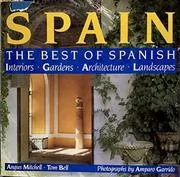
Spain
by Tom Bell
1990
A richly illustrated tour of Spanish interiors, gardens, architecture, and landscapes. It brings together design, place, and visual detail for readers drawn to the country's built and natural settings.
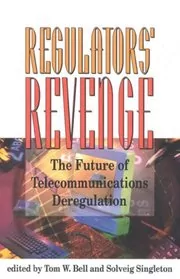
The Regulators' Revenge
by Tom Bell
1998
An edited collection on the future of telecommunications deregulation. The essays consider how competition, public policy, and regulatory rules shape a rapidly changing communications industry.
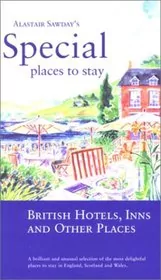
Special Places to Stay British Hotels, Inns, & Other Places
by Tom Bell
1999
A travel guide to memorable places to stay across Britain, from traditional hotels and inns to cottages and bed-and-breakfasts. It helps travelers look beyond standard accommodation choices.

Special Places to Stay London
by Tom Bell
2002
A selective guide to distinctive places to stay in London. It points travelers toward hotels, inns, and other accommodations with character, offering a useful alternative to generic listings.

Special Places to Stay London 2
by Tom Bell
2002
A follow-up guide to London's memorable accommodations, from hotels to smaller characterful stays. It is built for visitors who want practical choices with more personality than a standard directory.
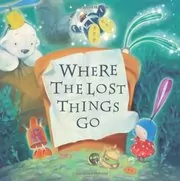
Where the Lost Things Go
by Tom Bell
2011
Five lost toys have settled into life at the bottom of a forgotten garden. Their quiet world changes when a newly lost toy arrives with a restless appetite for adventure.
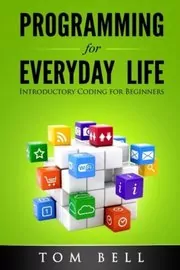
Programming for Everyday Life
by Tom Bell
2014
A beginner-friendly introduction to coding that covers Python, core programming concepts, and practical web development. It is designed for readers who want to understand how software can solve everyday problems.

Beat Bullying - The Parent's Guide
by Tom Bell
2015
A practical guide for parents concerned about bullying. It focuses on recognizing warning signs, supporting children through difficult situations, and finding constructive ways to respond at home and beyond.
Defeating Cyberbullying In The Digital Age
by Tom Bell
2015
A guide to understanding online bullying and the risks young people face in digital spaces. It helps readers recognize harmful behavior, respond thoughtfully, and encourage safer online habits.
Programming
by Tom Bell
2015
An accessible primer for new programmers, covering coding fundamentals, Python, and basic web development. It gives students and working adults a clear foundation for using technology to solve problems.
The Miracle of the Third Day
by Tom Bell
2016
A concise faith-focused book that considers the meaning of a miracle on the third day. It offers readers a chance to reflect on hope, belief, and renewal.
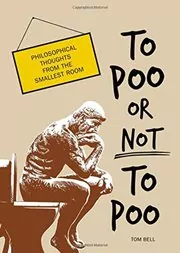
To Poo or Not to Poo
by Tom Bell
2016
A playful bathroom book that mixes philosophical quotations with strange and funny facts about poo. It turns a private everyday moment into a light, deliberately silly reading break.
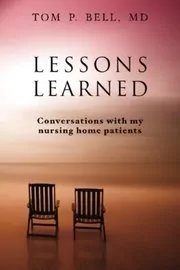
Lessons Learned
by Tom Bell
2017
A wound-care doctor shares conversations with nursing-home patients and the lessons their lives have taught him. Their stories cover aging, hardship, humor, regret, and the wisdom that comes from being heard.
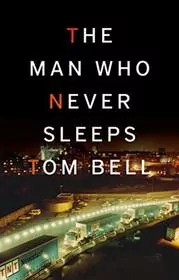
The Man Who Never Sleeps
by Tom Bell
2019
Tom Bell recounts his rise from a poor Scottish childhood to a central role in the logistics operation behind the Wapping dispute. The memoir also looks beyond business, including his charitable work and hard-driving approach to life.
Where to start with Tom Bell
For a first step into coding: Programming for Everyday Life → Programming.
If you want Python alongside web basics: Programming for Everyday Life.
If you prefer a compact coding primer: Programming.
Tom Bell collections, short stories, and related book types
Biographies
Bullying
Children's Books
Religious Books
Satire
Technology
Travel Books
Author bio
Tom Bell grew up on the Isle of Wight before moving to Southampton in 2011 to study electronic engineering. He later made Southampton home, where he lives with his family and balances technology work with writing, church, and the everyday logistics of being a father of two.
Computing was the thread running through his early career. Bell trained in electronic engineering at the University of Southampton and moved into work across technology, research and development, local government, and intellectual-property law. The mix gave him a practical view of the work: ideas matter, but someone still has to turn them into useful tools.
That practical view helped shape his first programming books. Programming for Everyday Life starts with the basic building blocks of code, then moves through Python, web development, and the broader question of what software can do for ordinary problems. It is aimed at readers who want to begin making things, not just memorize jargon.
He followed it with Programming: A Primer, a beginner's guide published through Imperial College Press. The book was included in the publisher's Notable Titles in Engineering selection in 2016, and Bell has said it has helped students and young professionals build programming skills and career confidence. His books favor approachable explanations over the assumption that readers already speak the language of computer science. Variables, loops, functions, classes, and the web are treated as working tools. The underlying message is simple: programming is a way to solve problems, test ideas, and save time.
He wants the starting line to feel less intimidating.
Bell's work has not stayed inside one narrow tech job. After developing an interest in inventions and patents, he completed postgraduate study in intellectual-property law at Queen Mary, University of London, in 2017. He has worked with innovative companies on intellectual-property questions and has also taken part in academic research, public discussion, and technology-focused speaking.
Faith is another visible part of his public life. Bell has spoken and written about technology and Christian life, bringing the same practical bent to questions about how digital tools affect communities, work, and personal habits. He describes himself, without much fuss, as a technology geek and coffee lover.
That down-to-earth tone suits the books readers are most likely to know him for. Whether he is explaining the first steps of coding or discussing technology's place in daily life, Bell returns to a useful question: what can people learn to do next?
His path also shows why the books feel geared toward people changing direction. He has worked as a freelance developer and in a range of organisations, taking customer ideas from rough concept to something real. That experience informs the emphasis on foundations: understand the parts, practice with them, and keep moving toward a project that matters to you.
He doesn't present programming as a mysterious skill reserved for specialists. For Bell, it can be learned in stages, applied to real tasks, and used to open options for students, professionals, and people looking for a fresh start.







Edited by
Software engineer whose passion for tracking book recommendations from podcasts inspired the creation of MRB.
Lead investor at 3one4 Capital whose startup expertise and love for books helped shape MRB and its growth.
Comments
Did we miss something? Have feedback?
Help us improve this page by sharing your thoughts