
The History of Middle Earth Books in Order
Part ofJRR Tolkien Books in OrderThis page shows The History of Middle-earth volumes by J. R. R. Tolkien in order, with short notes, series background, and guidance on reading this deep set.
Last updated:
As an Amazon Associate, we earn from qualifying purchases (at no extra cost to you).
The History of Middle Earth books in publication order
12 books
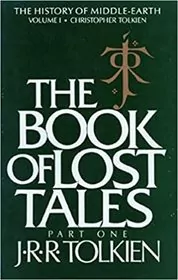
The Book of Lost Tales, Part One
by J. R. R. Tolkien
1983
First volume in The History of Middle-earth, gathering Tolkien’s earliest stories about the creation of the world, Valinor, and the first Elves, all framed as tales told to a mariner who has sailed to the Lonely Isle.
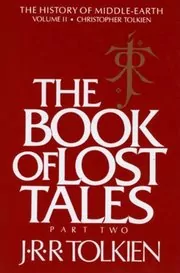
The Book of Lost Tales, Part Two
by J. R. R. Tolkien
1984
Companion to Part One, collecting early versions of the legends of Beren and Lúthien, Túrin Turambar, the Fall of Gondolin, and other First Age tales, with Christopher Tolkien’s commentary tracing how they evolved into The Silmarillion.
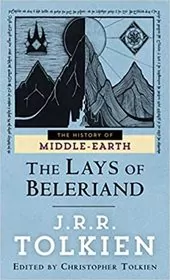
The Lays of Beleriand
by J. R. R. Tolkien
1985
Offers Tolkien’s long narrative poems on the tragic stories of Túrin and of Beren and Lúthien, plus several shorter fragments, giving a poetic, experimental look at key First Age legends that later appear in prose.
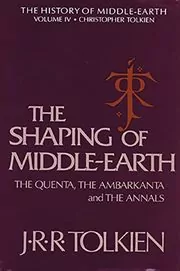
The Shaping of Middle-earth
by J. R. R. Tolkien
1986
Follows the growth of Tolkien’s mythology through early versions of the Quenta Silmarillion, cosmological essays, maps, and annals, showing how the history and geography of Middle‑earth gradually settled into familiar form.
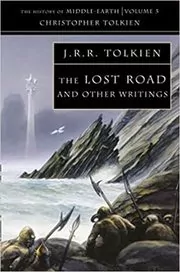
The Lost Road and Other Writings
by J. R. R. Tolkien
1987
Combines the unfinished time‑travel story The Lost Road, which links modern England to the downfall of Númenor, with linguistic essays, annals, and other texts that bridge the early myths and the world of The Lord of the Rings.
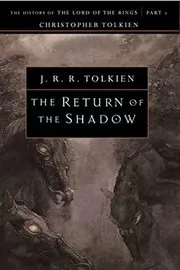
The Return of the Shadow
by J. R. R. Tolkien
1988
Volume six of The History of Middle-earth, tracing the earliest phases of The Lord of the Rings from Bilbo’s long‑expected party through the flight from the Shire and into Moria, with many alternative plot lines and character sketches.
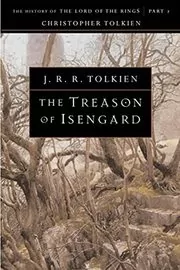
The Treason of Isengard
by J. R. R. Tolkien
1989
Seventh volume of The History of Middle-earth and second in The History of The Lord of the Rings, following the story from Moria through Lothlórien and Rohan, charting the emergence of Saruman, the Ents, and the Riders of Rohan in successive drafts.
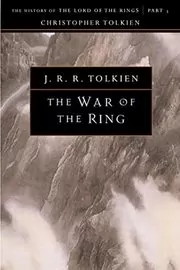
The War of the Ring
by J. R. R. Tolkien
1990
Eighth volume of The History of Middle-earth, covering drafts of The Lord of the Rings from Helm’s Deep and the flooding of Isengard through Frodo and Sam’s path toward Cirith Ungol and the great battles before the Black Gate.
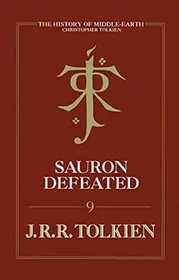
Sauron Defeated
by J. R. R. Tolkien
1992
Ninth volume of The History of Middle-earth, completing the History of The Lord of the Rings with drafts from the Tower of Cirith Ungol to the Scouring of the Shire, and adding the time‑traveling Notion Club Papers and writings on Númenor.
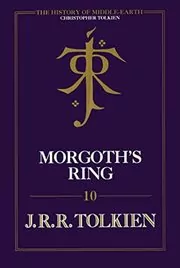
Morgoth's Ring
by J. R. R. Tolkien
1993
Volume ten of The History of Middle-earth, gathering later Silmarillion writings, the Annals of Aman, essays on Elvish customs and death, and the Myths Transformed texts where Tolkien rethinks Morgoth, Sauron, and the nature of evil.
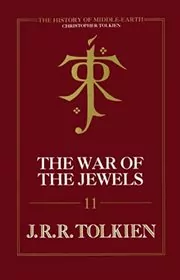
The War of the Jewels
by J. R. R. Tolkien
1994
Eleventh volume of The History of Middle-earth, continuing the later Silmarillion texts with detailed accounts of the wars of Beleriand, writings on the awakening of the Elves and the fate of Húrin, and extensive linguistic and name studies.
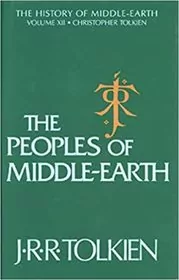
The Peoples of Middle-Earth
by J. R. R. Tolkien
1996
Final volume of The History of Middle-earth, assembling late essays and drafts on the peoples, languages, calendars, and stories of Middle‑earth, plus early versions of the prologue and appendices to The Lord of the Rings.
The History of Middle Earth books in chronological order
Series background & context
The History of Middle-earth is less a conventional fantasy series and more a guided tour through J. R. R. Tolkien’s working papers. Edited by his son Christopher, the twelve volumes collect drafts, alternate versions, maps, and commentary that trace how Middle‑earth grew over the course of a lifetime.
The early books follow Tolkien from his first attempts at a “mythology for England” into the stories that eventually became The Silmarillion. In The Book of Lost Tales a mariner comes to the Lonely Isle and hears the Elves tell of the Music of the Ainur, the Two Trees, and the first rebellions of the Noldor. Later volumes such as The Lays of Beleriand and The Shaping of Middle-earth show the same material recast in long narrative poems, annals, and world‑maps.
Volume five, The Lost Road and Other Writings, adds something different: an unfinished time‑travel story that links modern England to Númenor, alongside linguistic essays and early chronicles of the First and Second Ages. Together, these books let you watch key ideas—Elvish languages, the fall of Númenor, the long wars against Morgoth—change shape as Tolkien revised them.
The middle of the series, volumes six to nine, is often called The History of The Lord of the Rings. Here you follow the Fellowship from its earliest pages, when the Ring‑bearer was named Bingo and Strider wore wooden shoes, through many false starts and rewrites to the story readers know today. You see abandoned branches of the plot, alternate versions of major scenes, and Tolkien’s own maps and notes as he tried to keep track of dates and journeys.
The last three volumes return to the older ages of the world. Morgoth’s Ring and The War of the Jewels gather later Silmarillion texts, philosophical essays on mortality and evil, and new accounts of Elves, Men, and Valar. The Peoples of Middle-earth closes the series with late writings on languages, calendars, family trees, and early drafts of material that ended up in the prologue and appendices to The Lord of the Rings.
Because these books preserve everything from rough outlines to polished chapters, they read more like a working archive than a finished saga. Many readers dip into the volumes that touch the stories they already love—perhaps the early legendarium in volumes one to five, or the making of The Lord of the Rings in six to nine—rather than marching straight through.
If you’re curious about how a single private project slowly became an entire legendarium, though, The History of Middle-earth offers a rare, behind‑the‑scenes view. It shows Tolkien trying things, discarding them, and trying again, until myths, maps, and invented languages finally line up.








Edited by
Software engineer whose passion for tracking book recommendations from podcasts inspired the creation of MRB.
Lead investor at 3one4 Capital whose startup expertise and love for books helped shape MRB and its growth.
Comments
Did we miss something? Have feedback?
Help us improve this page by sharing your thoughts