
Leo Tolstoy Books in Order
Browse Leo Tolstoy's books in order, from War and Peace and Anna Karenina to stories, plays, and essays, with summaries, series background, and where to start.
Last updated:
As an Amazon Associate, we earn from qualifying purchases (at no extra cost to you).
Leo Tolstoy books in publication order
78 books
What Then Must We Do?
by Leo Tolstoy
1391
In this searching nonfiction work, Tolstoy examines urban poverty and his own wealth, asking how a Christian conscience can accept such inequality. He presses readers to reconsider charity, labor, and what a just economic life would demand.
Childhood
by Leo Tolstoy
1852
Told through the eyes of young Nikolenka, this first autobiographical novel follows his life on a Russian country estate and in Moscow, capturing early friendships, loss, and the first stirrings of conscience in a privileged child.

The Raid
by Leo Tolstoy
1853
Based on Tolstoy's own service in the Caucasus, The Raid follows Russian soldiers on a dangerous expedition against mountain tribes. Through vivid scenes of boredom, fear, and bravery, it questions what courage and heroism really mean.
Boyhood
by Leo Tolstoy
1854
Continuing Nikolenka's story, Boyhood explores adolescence, envy, first love, and awkward attempts to live up to adult ideals as he leaves the nursery world behind. Tolstoy shows how small humiliations and private dreams shape the young man's character.

The Sebastopol Sketches
by Leo Tolstoy
1855
Based on his experiences in the Crimean War, these three sketches depict daily life in besieged Sevastopol. Tolstoy shows the vanity and fear of officers, the suffering of common soldiers, and the random horror of artillery fire.

Two Hussars
by Leo Tolstoy
1856
Two Hussars contrasts an older, dashing cavalry officer with his more cautious son, showing how charm and honor can be replaced by calculation in a new generation. The story quietly asks what is gained and lost as society becomes more respectable.
Youth
by Leo Tolstoy
1856
In Youth, Nikolenka moves toward adulthood, wrestling with vanity, philosophy, and the temptations of city life. The novel traces his search for an honest way to live while he navigates university lectures, social circles, and confusing emotions.

Albert
by Leo Tolstoy
1858
Albert portrays a gifted but unstable violinist whose music moves listeners even as his drinking and erratic behavior alarm them. Tolstoy examines the gap between artistic talent and everyday responsibility, and how society treats a man who fits nowhere.

Family Happiness
by Leo Tolstoy
1859
A young woman marries an older landowner she once loved passionately, only to find domestic routine and social life dull that early fire. This intimate novella traces the rise and cooling of feeling and asks what lasting happiness in marriage might require.

The Cossacks
by Leo Tolstoy
1863
The Cossacks follows a restless young nobleman who joins a Cossack village in the Caucasus hoping for freedom and authenticity. Living among hunters and horsemen, he confronts his own romantic illusions and the hard realities of frontier life.
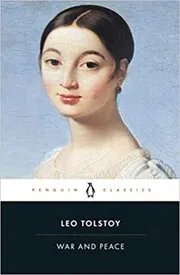
War And Peace
by Leo Tolstoy
1867
This epic novel follows several Russian families, especially Pierre Bezukhov, Andrei Bolkonsky, and Natasha Rostova, through love, war, and spiritual searching during the Napoleonic invasions. Battlefields, salons, and farms all feed a sweeping meditation on history and free will.
Recommended by
6 people Jordan Peterson recommended this book
Jordan Peterson
Recommended on Jordan Peterson's website.
Jordan Peterson's recommendation of this book  Larry King recommended this book
Larry King
Larry King mentioned this book on "The Tim Ferriss Show" podcast.
Larry King's recommendation of this book 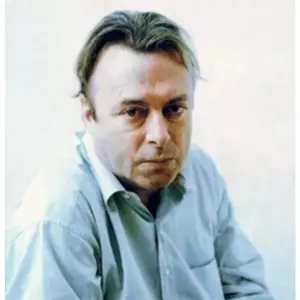 Christopher Hitchens recommended this book
Christopher Hitchens
"At the age of twelve I had summoned the nerve to borrow from the headmaster, and to read [this book]." - Christopher Hitchens
Christopher Hitchens's recommendation of this book 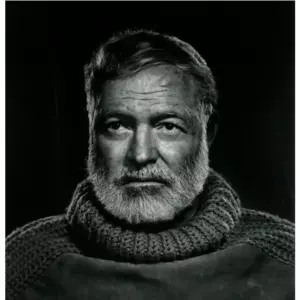 Ernest Hemingway recommended this book
Ernest Hemingway
Ernest Hemingway recommended this book in the "Ernest Hemingway on Writing" book.
Ernest Hemingway's recommendation of this book  Nelson Mandela recommended this book
Nelson Mandela
"One book that I returned to many times." - Nelson Mandela
Nelson Mandela's recommendation of this book  Mark Manson recommended this book
Mark Manson
Mark Manson recommended this book on his website.
Mark Manson's recommendation of this book

A Prisoner in the Caucasus
by Leo Tolstoy
1872
Captured by mountain tribesmen, a Russian soldier searches for ways to survive and escape while learning about his captors' lives. The story blends adventure with a sympathetic look at people on both sides of an imperial conflict.

God Sees the Truth, but Waits
by Leo Tolstoy
1872
In this brief, powerful story, an innocent merchant is wrongly imprisoned for years while the real thief hides his guilt. When the truth finally emerges, Tolstoy turns the tale toward forgiveness and the quiet strength of faith.
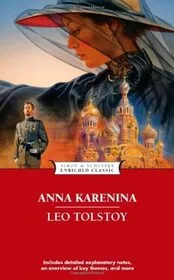
Anna Karenina
by Leo Tolstoy
1877
Anna Karenina intertwines the doomed affair between Anna and Count Vronsky with the quieter courtship and marriage of Levin and Kitty. Tolstoy sets passion, family duty, and social judgment against vivid scenes of Moscow, St. Petersburg, and the Russian countryside.
Recommended by
11 people Oprah Winfrey recommended this book
Oprah Winfrey
"[The author] weaves an extravagant web." - Oprah Winfrey
Oprah Winfrey's recommendation of this book - Jordan Peterson recommended this book
Jordan Peterson
Recommended on Jordan Peterson's website.
Jordan Peterson's recommendation of this book  Chelsea Handler recommended this book
Chelsea Handler
"I don't know if I have to expound on why I love this book, but everyone should read [this author], and this was the first one of his works I read. So, it's like a first boyfriend. Or my first Cabbage Patch Kid." - Chelsea Handler
Chelsea Handler's recommendation of this book  Jennifer Lawrence recommended this book
Jennifer Lawrence
"I thought I wouldn't want to finish an 800-page book, but then I started slowing down and reading the same chapters over and over." - Jennifer Lawrence
Jennifer Lawrence's recommendation of this book  Sam Altman recommended this book
Sam Altman
This book was on Sam Altman's bookshelf.
Sam Altman's recommendation of this book  Laura R Walker recommended this book
Laura R Walker
"A great novel that I have read three times." - Laura R Walker
Laura R Walker's recommendation of this book +5
More recommendations
- Austen Allred
Austen Allred recommended this book on Twitter.
- Jen Wilkin
"Such good writing, so many pages." - Jen Wilkin
- Ernest Hemingway
Ernest Hemingway recommended this book in the "Ernest Hemingway on Writing" book.
- Bret Easton Ellis
"If you've never read a novel pick up [this book] and you will have the most intensely jolting and cinematic experience ever." - Bret Easton Ellis
- Peter Thiel
"All happy families are alike, and all unhappy families are unhappy in their own special way." - Peter Thiel
- Austen Allred
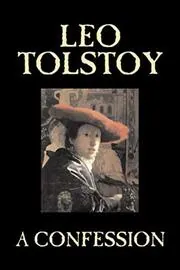
A Confession
by Leo Tolstoy
1880
Tolstoy recounts the spiritual crisis that struck him in midlife, when fame and comfort could not answer his fear of death. Through brutally honest self examination, he describes losing faith, searching philosophy, and slowly rediscovering meaning in simple belief.
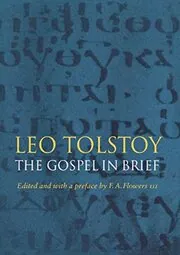
The Gospel in Brief
by Leo Tolstoy
1883
Here Tolstoy retells the life and teachings of Jesus by harmonizing the four Gospels into a single narrative. He stresses Christ's ethical message of love, nonviolence, and inner transformation rather than church dogma or miracle stories.
What I Believe
by Leo Tolstoy
1884
In this intense manifesto, Tolstoy explains his understanding of authentic Christianity as strict nonviolence, honesty, and love for all people. He rejects state power and church hierarchy, arguing that following Jesus's commands must reshape every part of life.
What Men Live by and Other Tales
by Leo Tolstoy
1885
The title story follows an angel who learns, while living with a humble shoemaker, what truly keeps people alive. The collection gathers parables about charity, trust, and the mysterious ways love links strangers together.
How Much Land Does a Man Need? and Other Stories
by Leo Tolstoy
1886
The central tale shows a peasant whose hunger for more land drives him to a final, bitter bargain. Alongside it, Tolstoy offers other sharp fables that question security, ambition, and the true measure of a good life.
Ivan the Fool
by Leo Tolstoy
1886
Ivan the Fool retells a folklike story about a simple, generous peasant whose patience outwits the schemes of devils and worldly brothers. Tolstoy contrasts military power and cleverness with the quiet strength of kindness and hard work.

Kholstomer
by Leo Tolstoy
1886
Told from the point of view of an aging workhorse, Kholstomer exposes human vanity and cruelty through an animal's eyes. The horse's fate becomes a moving critique of ownership, social status, and the ways people use each other.
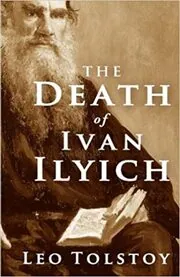
The Death of Ivan Ilych
by Leo Tolstoy
1886
A successful judge falls ill and realizes that the life he built around status and comfort may have been meaningless. As death approaches, he struggles through terror, denial, and finally a hard won glimpse of compassion and truth.

The Power of Darkness
by Leo Tolstoy
1886
A dark village drama about a peasant whose adultery and crimes drag an entire household into deceit and misery. The play explores how secrecy, poverty, and fear can trap people in cycles of wrongdoing they hardly understand.
On Life and Essays on Religion
by Leo Tolstoy
1887
This volume brings together Tolstoy's reflections on the meaning of life, death, and faith alongside shorter religious pieces. He questions inherited beliefs and urges readers to ground their lives in conscience, compassion, and inner truth.
The Kreutzer Sonata
by Leo Tolstoy
1889
Framed as a husband's confession during a train ride, this novella describes a marriage destroyed by jealousy and bitterness. Tolstoy links sexual desire, social hypocrisy, and violence, and raises disturbing questions about love, purity, and freedom.
The First Step
by Leo Tolstoy
1892
The First Step looks at diet, cruelty to animals, and self discipline as a beginning point for moral reform. Tolstoy links vegetarianism and temperance with a wider call to renounce violence and live more gently toward all living beings.
The Kingdom of God is Within You
by Leo Tolstoy
1893
One of Tolstoy's major religious works, this book argues that Jesus's teaching forbids all violence, including war and state coercion. He outlines a radical, practical nonresistance that later influenced figures such as Gandhi and other advocates of civil disobedience.
Recommended by
1 person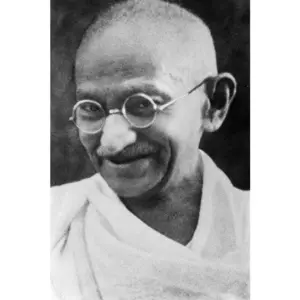 Mahatma Gandhi recommended this book
Mahatma Gandhi
"Reading [this book] cured me of my scepticism and made me a firm believer in Ahimsa." - Mahatma Gandhi
Mahatma Gandhi's recommendation of this book

Walk in the Light While There is Light
by Leo Tolstoy
1893
Set among early Christians facing persecution, this tale follows people torn between comfortable compromise and radical obedience to Jesus's teaching. It invites readers to consider what it would mean to walk in the light before time runs out.

Master and Man
by Leo Tolstoy
1895
On a winter journey to close a land deal, a wealthy merchant and his peasant driver are caught in a snowstorm. Lost in the dark, the master faces choices that reveal the hollowness of greed and the possibility of self sacrificing love.
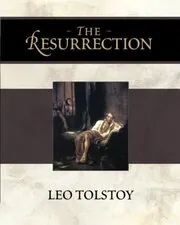
The Resurrection
by Leo Tolstoy
1899
A disillusioned nobleman, Dmitri Nekhlyudov, serves on a jury and recognizes the accused prostitute as the servant he once seduced and abandoned. His decision to seek her forgiveness carries him through courts and prisons and exposes the cruelty of Russia's legal and religious institutions.
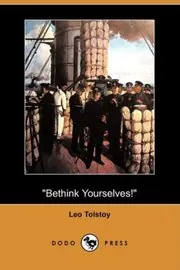
Bethink Yourselves!
by Leo Tolstoy
1904
Written during wartime, this short book challenges the patriotic enthusiasm surrounding modern conflict. Tolstoy asks readers to stop and examine how fear, propaganda, and obedience lead ordinary people to support killing they know is wrong.
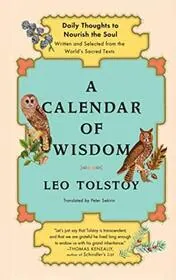
A Calendar of Wisdom
by Leo Tolstoy
1906
Arranged as daily readings for the year, A Calendar of Wisdom gathers quotations and brief reflections on faith, humility, justice, and love. Tolstoy draws from many traditions while quietly adding his own comments on how to live well.
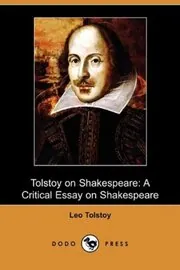
Tolstoy on Shakespeare
by Leo Tolstoy
1906
In this provocative essay, Tolstoy argues against Shakespeare's greatness, criticizing the plays for moral and artistic flaws. The book offers a sharp, personal view of what he thinks art should be and why Shakespeare does not meet that test.

Twenty-three Tales
by Leo Tolstoy
1907
A collection of short stories and parables, including some of Tolstoy's best loved moral tales. The pieces range from village tragedies to simple fables and are united by questions of compassion, justice, and living truthfully.

A Letter to a Hindu
by Leo Tolstoy
1908
Written as an open letter to a prominent Indian thinker, this piece urges nonviolent resistance to imperial rule. Tolstoy argues that only moral courage and refusal to cooperate with oppression can truly change a society.
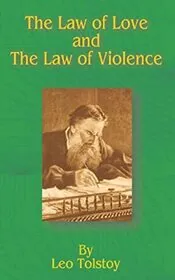
The Law of Love and the Law of Violence
by Leo Tolstoy
1909
Tolstoy contrasts the gentle, forgiving law of love he finds in Jesus's teaching with the harsh logic of violence that underlies governments and wars. He invites readers to imagine what society would look like if people truly refused to harm one another.

Father Sergius
by Leo Tolstoy
1911
After a promising army career, a proud aristocrat becomes a monk hoping for holiness and admiration. Temptations, notoriety, and strange pilgrims follow, forcing him to confront whether he seeks God or simply another form of worldly glory.

The Devil
by Leo Tolstoy
1911
A landowner's seemingly harmless affair with a peasant woman turns into an obsession that haunts him even after he marries. Tolstoy traces how secret desire and self deception can grow into a force that destroys peace of mind.

The Forged Coupon
by Leo Tolstoy
1911
A boy's small act of forging a banknote sets off a chain of thefts, betrayals, and crimes that spread through many lives. Tolstoy shows how hidden wrongs ripple outward, and how unexpected acts of goodness can also begin with one person.

Hadji Murat
by Leo Tolstoy
1912
Set during Russia's war in the Caucasus, this novella follows the legendary rebel Hadji Murat as he breaks with his former allies and negotiates with the Russians. Surrounded by treachery and brutality on both sides, he fights to protect his family and honor.

Polikushka and Two Hussars
by Leo Tolstoy
1955
This volume brings together the tragic story of Polikushka, a well meaning but unlucky serf, with the contrasting soldier's tale Two Hussars. Both pieces explore character, chance, and the quiet pressures that shape ordinary Russian lives.
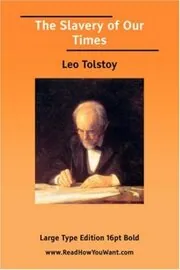
The Slavery of Our Times
by Leo Tolstoy
1972
Here Tolstoy examines modern wage labor and economic structures as a new form of slavery. He argues that dependence on money, factories, and armies traps both workers and the wealthy in systems that deny real freedom.

Guy De Maupassant
by Leo Tolstoy
1974
Tolstoy's critical essay on Guy de Maupassant weighs the French writer's storytelling power against what Tolstoy sees as a lack of moral direction. It is both an appreciation of Maupassant's craft and a statement of Tolstoy's own artistic ideals.
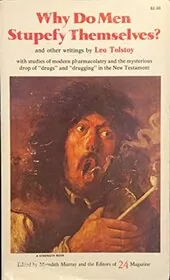
Why Do Men Stupefy Themselves?
by Leo Tolstoy
1975
This essay asks why people turn to alcohol, tobacco, and other distractions that dull the mind. Tolstoy links such habits to a refusal to face moral questions, urging readers to seek clarity instead of self inflicted numbness.

Short Novels
by Leo Tolstoy
1979
This volume gathers several of Tolstoy's novellas in one place, offering a concentrated view of his storytelling outside the giant epics. Readers meet characters facing tight moral crises in compact, powerful narratives.

A Lost Opportunity
by Leo Tolstoy
2000
This fable about two neighboring families shows how minor quarrels can harden into a bitter feud. Only after disaster strikes do the characters see how easily their anger might have been replaced by patience and mutual forgiveness.

Divine and Human and Other Stories
by Leo Tolstoy
2000
A later collection of short works in which Tolstoy returns to themes of conscience, pride, and forgiveness. The stories probe the gap between lofty ideals and everyday behavior, often through small turning points in seemingly simple lives.
The Candle
by Leo Tolstoy
2000
This short moral tale centers on a peasant's small candle offered in faith and humility. Tolstoy contrasts that hidden act of devotion with the harshness and pride of officials, suggesting that sincere kindness matters more than grand religious display.
The Godson
by Leo Tolstoy
2001
In The Godson, a young man wanders the world carrying out well meant but clumsy acts of justice. Through his missteps, Tolstoy explores responsibility, mercy, and the difficulty of correcting wrongs without creating new harm.

The Light That Shines in the Darkness
by Leo Tolstoy
2001
An unfinished play about a landowner who embraces radical Christian nonviolence and refuses to support the state or the church's compromises. His ideals strain his family and community and pose hard questions about how far conscience should go.

The Long Exile and Other Stories
by Leo Tolstoy
2001
The title story follows a man unjustly sent to Siberia and the quiet life he builds while hoping for vindication. The surrounding tales echo questions of justice, fate, and the stubborn resilience of people pushed to the margins.
Christianity and Patriotism
by Leo Tolstoy
2002
In Christianity and Patriotism, Tolstoy argues that loyalty to the nation often directly contradicts Jesus's command to love all people. He condemns war and military service as incompatible with genuine Christian discipleship.
The Decembrists
by Leo Tolstoy
2004
Set after the failed Decembrist uprising, this unfinished novel looks at idealistic nobles and their families returning from exile. It reflects on aging hopes, political sacrifice, and how private loyalties survive disappointment with public life.

The Man Who Was Dead and the Cause of It All
by Leo Tolstoy
2004
These two stories deal with sudden insight into the consequences of one's actions. In different settings, Tolstoy shows how pride, anger, and thoughtless decisions can unleash harm, and how recognition of this truth can open a path to repentance.
The Wisdom of Children
by Leo Tolstoy
2004
This collection gathers stories in which children's questions, stubborn honesty, and small choices reveal deep spiritual truths. Tolstoy uses simple scenes from village and family life to show how young voices can expose adult hypocrisy.
Two Old Men
by Leo Tolstoy
2005
Two elderly neighbors set out on pilgrimage to Jerusalem, but one stops to help a starving family and never reaches the holy city. Tolstoy quietly suggests that real devotion may lie in practical mercy rather than distant sacred sites.
What Is to Be Done? and Life
by Leo Tolstoy
2007
This volume pairs Tolstoy's searching essay on poverty and social responsibility with a related narrative piece. Together they ask what practical steps educated, comfortable people should take when they finally see the suffering around them.

An Old Acquaintance
by Leo Tolstoy
2008
While serving in the Caucasus, a young nobleman meets a disgraced former friend from Moscow and is forced to reconsider his ideas about honor and class. The story blends adventure with a sharp look at social pretensions.
Church and State and Other Essays
by Leo Tolstoy
2009
A collection of essays in which Tolstoy criticizes the alliance between churches and political power. He returns to themes of conscience, nonviolence, and the way religious language can be used to excuse injustice.

Leo Tolstoy's 20 Greatest Short Stories
by Leo Tolstoy
2009
An anthology that selects twenty of Tolstoy's strongest shorter works, from early military tales to late spiritual parables. It is a handy way to sample the range of his themes, settings, and narrative voices.
Esarhaddon, And Other Tales
by Leo Tolstoy
2010
The title story imagines a cruel Assyrian king confronted with his victims' suffering and forced to see his power differently. The volume combines historical and village tales that ask what true repentance and justice might look like.

The Living Corpse
by Leo Tolstoy
2014
A man fakes his own death in an attempt to free his wife to remarry, only to discover that society's laws and judgments will not let him disappear cleanly. The drama unfolds as a critique of marriage, divorce, and legal hypocrisy.
The Christian Teaching
by Leo Tolstoy
2015
In The Christian Teaching, Tolstoy gathers his mature understanding of the message of Jesus, stripped of dogma and ritual. He focuses on inner change, love of enemies, and the hard work of practicing the Sermon on the Mount in everyday life.
The Four Gospels Harmonized and Translated by Leo Tolstoy
by Leo Tolstoy
2015
Tolstoy offers his own translation and arrangement of the four New Testament Gospels, emphasizing passages that support his ethical reading of Christianity. The work reflects years of close study and a desire to make Jesus's words plain and practical.

Three Questions / The Emperor's Three Questions
by Leo Tolstoy
2015
In this parable, a king seeks answers to three questions about the right time to act, the most important people, and the most necessary task. Through his encounters, Tolstoy suggests that attention to the present moment and active compassion are what truly matter.

Diary of a Lunatic/Three Deaths
by Leo Tolstoy
2016
This volume pairs the tormented notes of a man sliding into madness and guilt with a quiet tale of three very different deaths. Together they contrast restless, self centered fear with simpler, more accepting ways of meeting the end of life.
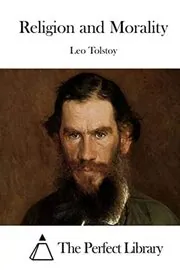
Religion and Morality
by Leo Tolstoy
2016
Religion and Morality explores where faith and ethics meet and where they come apart. Tolstoy challenges inherited church authority and insists that real religion must always deepen compassion, honesty, and responsibility.

Selected Short Stories
by Leo Tolstoy
2017
A curated selection of Tolstoy's short fiction, mixing famous pieces with lesser known gems. The collection highlights his gift for turning small incidents into searching reflections on family, faith, violence, and mercy.

Work, Death, and Sickness
by Leo Tolstoy
2017
In this brief allegory, personified Work, Death, and Sickness complain about how humans misunderstand and blame them. Tolstoy uses their voices to suggest that hardship can push people toward humility, solidarity, and a clearer sense of what matters.
Where Love is There God is Also
by Leo Tolstoy
2018
A lonely cobbler named Martin longs to see Christ and instead meets a series of needy neighbors at his door. By the end of the day, he discovers that simple acts of hospitality are where divine love truly appears.

The Fruits of Enlightenment
by Leo Tolstoy
2019
A comic play set in an aristocratic household fascinated by spiritualist seances and fashionable theories. As servants and masters mingle around a supposed miracle, Tolstoy pokes fun at superstition, credulity, and upper class boredom.

The Diaries Of Leo Tolstoy
by Leo Tolstoy
2020
Tolstoy's diaries offer an intimate record of his reading, family life, doubts, and shifting beliefs over decades. Readers see the famous novelist struggling with discipline, faith, and his own contradictions in brief, often stark entries.
What is Art?
by Leo Tolstoy
2020
In this influential treatise, Tolstoy asks what art is for and whose feelings it should express. He argues that real art communicates sincere emotion and unites people, and he criticizes works that serve only luxury or empty entertainment.
Childhood, Boyhood, Youth
by Leo Tolstoy
Hadji Murad
by Leo Tolstoy
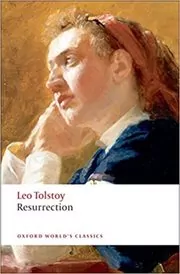
Resurrection
by Leo Tolstoy
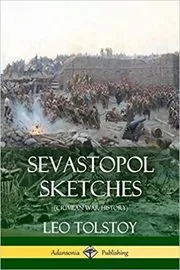
Sevastopol Sketches
by Leo Tolstoy
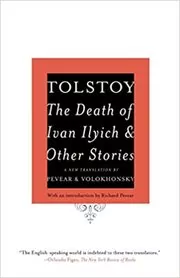
The Death of Ivan Ilyich and Other Stories
by Leo Tolstoy
Where to start with Leo Tolstoy
If you want big historical fiction: War and Peace → Anna Karenina
If you prefer focused, shorter fiction: Family Happiness → The Death of Ivan Ilych → Hadji Murat
If you are drawn to spiritual questions: A Confession → The Kingdom of God Is Within You → What I Believe
If you like autobiographical coming of age stories: Childhood → Boyhood → Youth
If you want a mix of tales and novellas: Twenty-three Tales → Selected Short Stories
Leo Tolstoy sub-series and character series
Autobiographical Novels books in order
Explore this seriesLeo Tolstoy collections, short stories, and related book types
Short Stories/Novellas
Leo Tolstoy Fables Books
Plays
Non-Fiction
Short Story Collections
Standalone Leo Tolstoy books
Author bio
Leo Tolstoy was born in 1828 at Yasnaya Polyana, his family's country estate south of Moscow, and grew up in a world of tutors, servants, and wide fields. Orphaned young, he and his siblings were raised by relatives who moved between city and estate life.
As a young man he studied briefly at Kazan University, then drifted away from formal schooling into gambling, parties, and half serious plans for self improvement. He eventually joined the army in the Caucasus and later served in the Crimean War, where front line experience gave him both trauma and material for his first published stories.
In his twenties Tolstoy wrote the semi autobiographical trilogy Childhood, Boyhood, and Youth, and the war pieces later collected as Sevastopol Sketches. Readers responded to the freshness of his close observation, the clumsiness and pride of his young hero, and the way he treated soldiers and peasants as fully human rather than background.
After leaving the army he settled again at Yasnaya Polyana, married Sofia Behrs, and over the years they had a very large family. Estate life was noisy and complicated, with children, guests, peasant visitors, and constant writing all fitting into the same rooms. Tolstoy taught village children, experimented with new farming methods, and filled notebooks with ideas that sometimes turned into fiction and sometimes stayed as private arguments with himself.
In the 1860s and 1870s he worked for years on War and Peace and then Anna Karenina. Readers often come to these novels for their scale, but stay for the small domestic scenes and inner monologues that make Pierre Bezukhov, Natasha Rostova, Levin, and Anna feel like people they know. Battlefields and ballrooms share space with fretting over children, half spoken resentments, and the slow changes that remake a life.
Alongside the big books he kept writing shorter works. Novellas like Family Happiness, The Death of Ivan Ilych, The Kreutzer Sonata, and Hadji Murat strip his concerns down to a few characters under pressure. Illness, jealousy, sudden flashes of pity, and the weight of social expectation all appear again and again, but in tight, intense stories that many readers tackle in an evening and think about for years.
In late middle age Tolstoy went through a severe crisis of meaning that he later described in A Confession. At the height of his fame he found himself thinking of suicide and asking what any success was worth if death erased it. His search led away from the institutional Russian Orthodox Church toward a personal reading of the Gospels that emphasized nonviolence, simple living, and love of enemies.
From that turning point came a stream of religious and social books, including What I Believe, The Kingdom of God Is Within You, and essays on poverty, education, and war. He argued fiercely against capital punishment, drinking, and private property in land, and he promoted peasant schools and nonviolent resistance. These writings traveled widely in translation and helped shape later movements for social change.
Tolstoy spent most of his later years back at Yasnaya Polyana, walking the fields, answering letters from strangers, and quarreling with his family and followers about money and consistency. In 1910, after a dramatic attempt to leave home quietly and start a simpler life, he died of illness at a small railway station. What remains on the page is a body of work that keeps drawing readers into big questions about love, power, belief, and how an ordinary person might try to live decently.


Edited by
Software engineer whose passion for tracking book recommendations from podcasts inspired the creation of MRB.
Lead investor at 3one4 Capital whose startup expertise and love for books helped shape MRB and its growth.
Comments
Did we miss something? Have feedback?
Help us improve this page by sharing your thoughts