
Dr. Seuss Books in Order
Explore Dr. Seuss books in order with quick summaries, reading tips, and where to start, plus series background for his best-known characters.
Last updated:
As an Amazon Associate, we earn from qualifying purchases (at no extra cost to you).
Dr. Seuss books in publication order
94 books
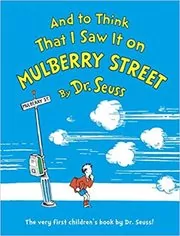
And to Think That I Saw It on Mulberry Street
by Dr. Seuss
1937
On his walk home, Marco sees a simple horse and wagon, then imagines it growing into a full parade with ever-stranger sights. When it’s time to report to his father, he wonders if the plain truth will sound boring.
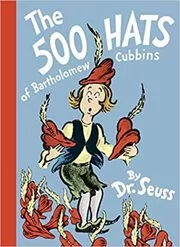
The 500 Hats of Bartholomew Cubbins
by Dr. Seuss
1938
Bartholomew tries to be polite to the King, but every time he removes his hat, a new one appears on his head. The problem escalates into royal demands and punishments, all driven by one unstoppable stack of hats.
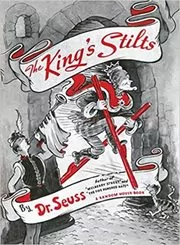
The King's Stilts
by Dr. Seuss
1939
King Birtram loves playing on his stilts, but he also has an important job protecting his kingdom from flooding. When his stilts disappear, his joy and focus vanish too, and the dike defenses start to slip.
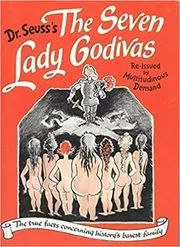
The Seven Lady Godivas
by Dr. Seuss
1939
A quirky, adult-leaning Seuss rarity that riffs on the Lady Godiva legend with fast rhymes, cheeky humor, and elaborate drawings. It’s more of a comic curiosity than a typical bedtime book for small kids.
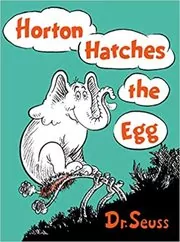
Horton Hatches the Egg
by Dr. Seuss
1940
Horton the elephant promises to sit on Mayzie’s egg while she takes a break, and he sticks with it through ridicule, weather, and exhaustion. When Horton and the egg are carried far from home, his loyalty is tested.
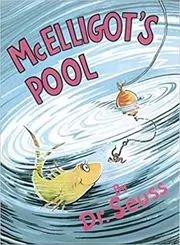
McElligot's Pool
by Dr. Seuss
1947
Marco finds a tiny, dirty pool that everyone says is useless, but he imagines it connecting to the sea. His daydream fills the water with outlandish fish and adventures, turning a puddle into an ocean-sized possibility.
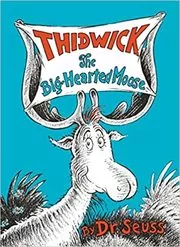
Thidwick the Big-Hearted Moose
by Dr. Seuss
1948
Thidwick is so friendly that he lets one creature after another move onto his antlers, until the freeloaders take over his whole life. The story follows his struggle to stay kind without letting others trample his boundaries.
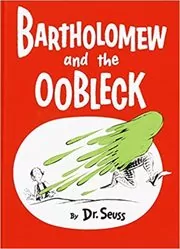
Bartholomew and the Oobleck
by Dr. Seuss
1949
A bored king orders new weather, and sticky green oobleck starts raining down on the kingdom. It gums up everything and everyone, and the only way out is admitting a mistake and choosing to change.
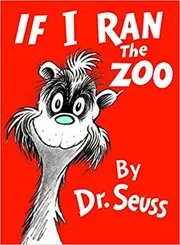
If I Ran the Zoo
by Dr. Seuss
1950
Gerald McGrew daydreams about improving the zoo by traveling the world to collect bizarre, made-up animals. The rhymes keep piling on bigger captures and bigger claims, turning imagination into a runaway brag.
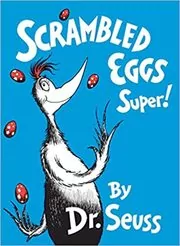
Scrambled Eggs Super!
by Dr. Seuss
1953
Peter T. Hooper wants the most spectacular scrambled eggs ever, so he sets off to find rare eggs from fanciful birds. The quest grows wilder than breakfast needs to be, and he learns what really makes a meal special.
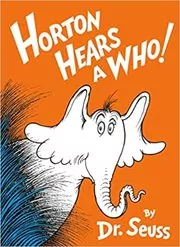
Horton Hears a Who!
by Dr. Seuss
1954
Horton hears a tiny voice coming from a speck of dust and realizes a whole community lives there. He vows to protect it from danger and disbelief, even when the other animals insist he’s imagining everything.
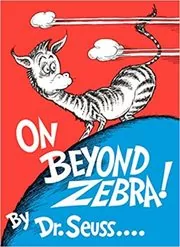
On Beyond Zebra!
by Dr. Seuss
1955
A child decides the alphabet shouldn’t stop at Z, and invents brand-new letters with matching creatures and worlds. It’s a playful celebration of language, encouraging kids to push past the obvious and keep imagining.

If I Ran the Circus
by Dr. Seuss
1956
Morris McGurk imagines turning a plain corner lot into the greatest circus ever, stacking bigger acts and wilder machines on every page. The escalating daydream is pure Seuss, a nonstop build of spectacle and rhyme.
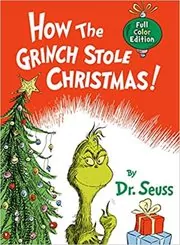
How the Grinch Stole Christmas!
by Dr. Seuss
1957
The Grinch hates the noise and cheer from Whoville, so he steals every decoration and gift he can find. But Christmas shows up anyway, and the Grinch has to rethink what the holiday is really made of.
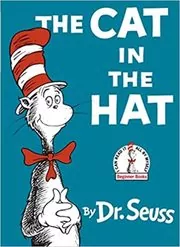
The Cat in the Hat
by Dr. Seuss
1957
Two kids stuck inside on a rainy day get an unexpected visitor, a tall cat with a top hat and a taste for trouble. Games, messes, and Thing One and Thing Two explode across the house, and cleanup becomes a race.
Recommended by
1 person Thomas Frank recommended this book
Thomas Frank
"The greatest productivity book of all time." - Thomas Frank
Thomas Frank's recommendation of this book
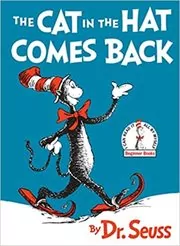
The Cat in the Hat Comes Back
by Dr. Seuss
1958
The Cat returns promising to help, but he makes a bigger mess that spreads from room to room. A chain of smaller and smaller cats appears, each causing more trouble, until the kids have to reverse the chaos fast.
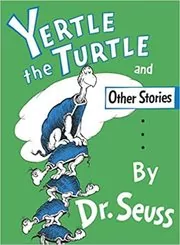
Yertle the Turtle
by Dr. Seuss
1958
Yertle, a bossy turtle king, orders other turtles to stack up so he can sit higher and rule more. His hunger for power keeps growing, until one small turtle’s protest brings the whole tower crashing down.
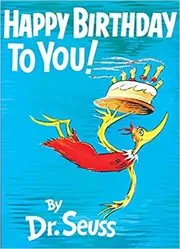
Happy Birthday to You!
by Dr. Seuss
1959
A child is whisked off to Katroo for a birthday celebration that gets bigger and stranger with every page. Odd creatures, wild inventions, and Seuss-style rhymes turn “happy birthday” into an all-out fantasy party.
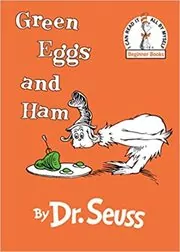
Green Eggs and Ham
by Dr. Seuss
1960
Sam-I-Am follows a stubborn skeptic everywhere, offering one strange meal after another. The rhymes build as the refusals pile up, until a single bite proves that trying something new can change your mind.
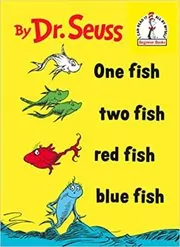
One Fish, Two Fish, Red Fish, Blue Fish
by Dr. Seuss
1960
A bouncy parade of fish, kids, and made-up creatures turns simple words into nonstop surprises. Along the way it plays with colors, counting, opposites, and nonsense names, making it a classic read-aloud for early readers.
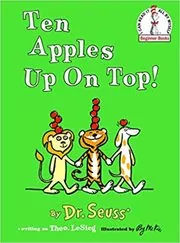
Ten Apples Up on Top!
by Dr. Seuss
1961
Three friends compete to balance more and more apples on their heads, turning counting into a fast, funny challenge. As the stacks rise, they race through mishaps and close calls, cheering each other on all the way.
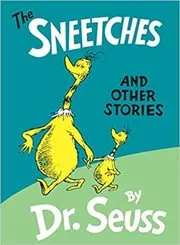
The Sneetches
by Dr. Seuss
1961
Star-Belly and plain-Belly Sneetches feud over who belongs, until a slick salesman offers to add and remove stars for a price. The switching game gets expensive and exhausting, pushing everyone toward a hard lesson about status.
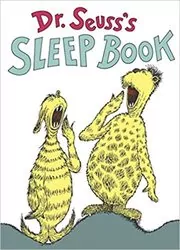
Dr. Seuss's Sleep Book
by Dr. Seuss
1962
As night rolls in, creatures everywhere get drowsy, yawn, and snore in their own silly ways. The rhymes move from gentle to goofy, building a bedtime rhythm that feels like a lullaby with jokes tucked inside.
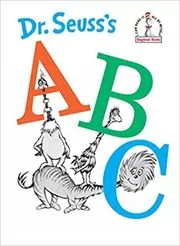
Dr. Seuss's ABC
by Dr. Seuss
1963
From A to Z, each letter becomes an excuse for a new creature, a new name, and a new tongue-twister. The alphabet turns into a lively parade that makes letter sounds feel like a game instead of homework.
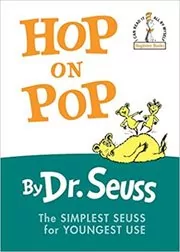
Hop on Pop
by Dr. Seuss
1963
A short-word classic that lets kids practice reading while the pictures turn simple phrases into silly scenes. It’s built for beginners, with bouncy rhyme and lots of chances to sound out words and laugh at the results.
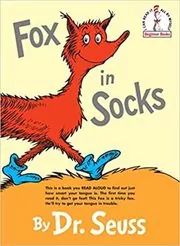
Fox in Socks
by Dr. Seuss
1965
The Fox challenges Mr. Knox with tongue twisters that get harder every time. Bricks, chicks, clocks, and socks stack up in rapid rhyme until even the characters want a break from the wordplay.
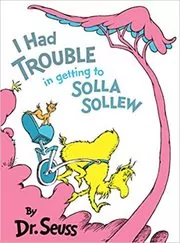
I Had Trouble in Getting to Solla Sollew
by Dr. Seuss
1965
A boy sets out for Solla Sollew, a place said to have no troubles at all, but every step brings a new problem. The journey becomes a funny, honest lesson about facing setbacks instead of running from them.
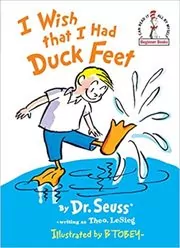
I Wish That I Had Duck Feet
by Dr. Seuss
1965
A boy imagines swapping body parts for animal features, duck feet, deer horns, and more, to make life better. Each change backfires in a new way, until he realizes being himself is the simplest plan.
Come Over to My House
by Dr. Seuss
1966
A cheerful invitation to visit homes around the world introduces different customs, foods, and daily life through simple rhymes. It’s a travelogue for kids, built on curiosity and the idea that “different” can be fun.
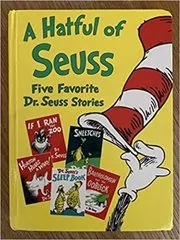
A Hatful of Seuss
by Dr. Seuss
1967
A grab-bag collection of Seuss stories, sketches, and rhymes, including lesser-known pieces. It’s a chance to see his humor in different sizes, from quick jokes to short tales packed with oddball characters.
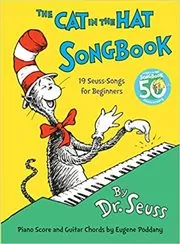
The Cat in the Hat Songbook
by Dr. Seuss
1967
The Cat in the Hat hosts a sing-along collection of Seuss-style songs, complete with playful lyrics and music. It’s designed for reading aloud and performing, turning familiar characters into a goofy little stage show.
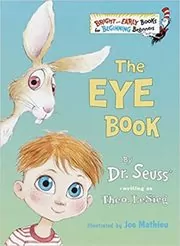
The Eye Book
by Dr. Seuss
1968
A short, rhyming look at eyes and what they can do, mixing colors, shapes, and silly situations. It’s built for new readers, using simple vocabulary and quick jokes to keep the pages turning.
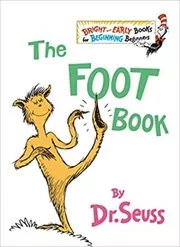
The Foot Book
by Dr. Seuss
1968
Left foot, right foot, wet foot, dry foot, this speedy book turns simple opposites into nonstop rhythm. It’s perfect for toddlers who like to chant along, with playful pictures that keep the feet marching.
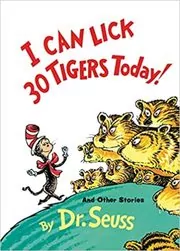
I Can Lick 30 Tigers Today!
by Dr. Seuss
1969
A boastful young hero claims he can lick thirty tigers, until real tigers show up and the bragging gets complicated. The book also bundles a few short Seuss tales, keeping the pace quick and punchy.
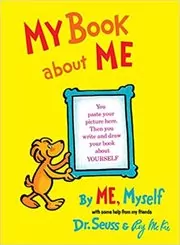
My Book about Me
by Dr. Seuss
1969
A fill-in keepsake book that asks kids to write and draw facts about themselves, favorites, habits, and little details. Seuss-style prompts make it feel like a game, and the finished pages become a personal snapshot.
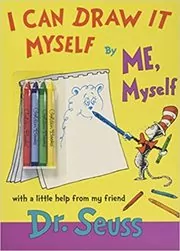
I Can Draw It Myself, By Me, Myself
by Dr. Seuss
1970
With the Cat in the Hat as a friendly coach, kids get prompts and examples for drawing simple pictures. There’s space to practice and add your own ideas, making it part story, part hands-on art time.
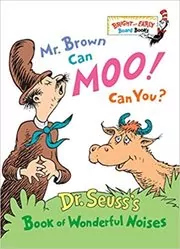
Mr. Brown Can Moo! Can You?
by Dr. Seuss
1970
Mr. Brown makes sounds that kids can copy, from animal noises to everyday clanks and pops. The book dares readers to moo, buzz, and whisper along, turning reading time into a loud, giggly sound-effect show.
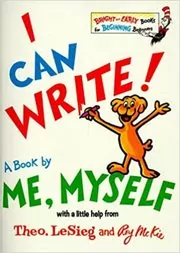
I Can Write!
by Dr. Seuss
1971
A playful practice book that gives kids lines to trace and copy letters, numbers, and easy words. Short rhymes and silly pictures keep it light, so writing practice feels like a game instead of a chore.
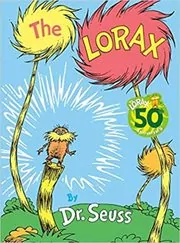
The Lorax
by Dr. Seuss
1971
A boy learns the story of the Once-ler, who turned Truffula Trees into products until the land was ruined. The Lorax tries to speak for what’s being lost, and the tale ends with a small seed and a big responsibility.
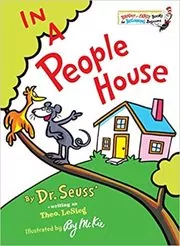
In a People House
by Dr. Seuss
1972
Mr. Shrew and Mr. Mule wander through a house, pointing out rooms, objects, and everyday actions in simple language. It’s a gentle early reader that builds vocabulary through a familiar setting and friendly repetition.
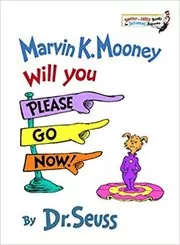
Marvin K. Mooney Will You Please Go Now!
by Dr. Seuss
1972
Marvin is told, in every imaginable way, to get moving, by foot, by train, by rocket, and more. The repeated send-off becomes funny and oddly encouraging, like a pep talk for anyone facing a new start.
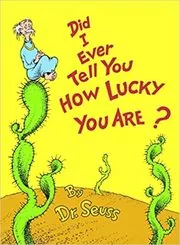
Did I Ever Tell You How Lucky You Are?
by Dr. Seuss
1973
A narrator warns a boy about all the terrible fates he could have had, from bizarre jobs to unlucky births. Then it flips into gratitude, reminding readers that ordinary life can be a form of good fortune.
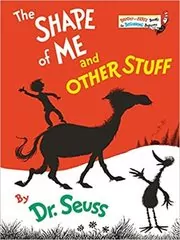
The Shape of Me
by Dr. Seuss
1973
A playful look at shapes and shadows shows how an outline can change depending on where you stand. The rhymes invite kids to spot patterns and laugh at how something familiar can look totally different in silhouette.
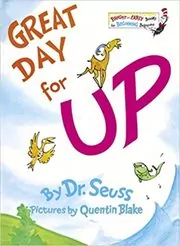
Great Day for Up
by Dr. Seuss
1974
A bouncy morning book that turns getting out of bed into an adventure, from washing up to heading outside. The rhymes build an upbeat “you can do it” mood, perfect for jump-starting a sleepy day.
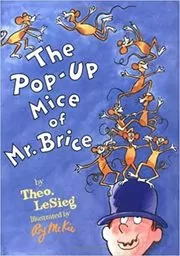
The Many Mice of Mr. Brice
by Dr. Seuss
1974
Twenty-six lively mice each do something different, creating a parade of actions and silly details. The rhythm and repetition help young readers build vocabulary, with plenty of chances to point, name, and laugh.
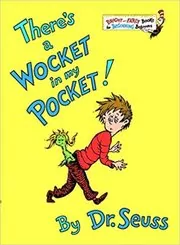
There's a Wocket in my Pocket!
by Dr. Seuss
1974
A child discovers tiny, mischievous creatures hiding all over the house, from the bathtub to the closet. Each one has a ridiculous name and a rhyme to match, turning everyday rooms into a wild scavenger hunt.
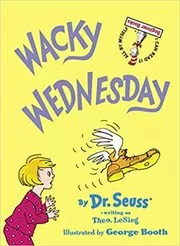
Wacky Wednesday
by Dr. Seuss
1974
A boy wakes up to a world where everything is a little wrong, shoes on the wall, a bathtub in the living room, and more. The fun is hunting for every mistake, page by page, like a visual scavenger game.
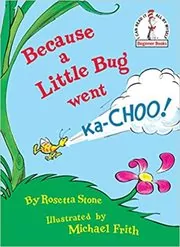
Because a Little Bug Went Ka-CHOO!
by Dr. Seuss
1975
A tiny bug’s sneeze kicks off a chain reaction that grows bigger and bigger, each event causing the next. The story plays like a rhyming domino run, showing how one small moment can lead to huge consequences.
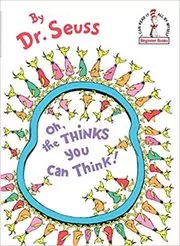
Oh, the Thinks You Can Think!
by Dr. Seuss
1975
The Cat in the Hat invites readers to imagine wild creatures, places, and possibilities. It’s a celebration of open-ended creativity, repeating the message that the best ideas start when you let your mind wander.
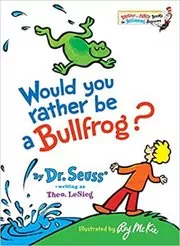
Would You Rather Be a Bullfrog?
by Dr. Seuss
1975
A rapid series of silly “would you rather” questions invites kids to choose between odd animals and stranger situations. It’s quick, goofy, and built to spark imagination, with simple text that’s easy to read aloud.
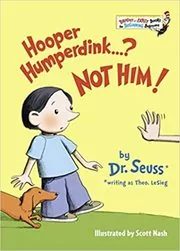
Hooper Humperdink...? Not Him!
by Dr. Seuss
1976
A kid plans a huge party and invites friends from A to Z, but leaves out Hooper Humperdink for no real reason. The story quietly spotlights what exclusion feels like, and how easy it is to choose kindness instead.
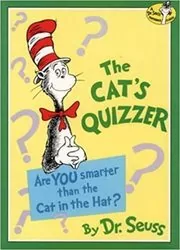
The Cat's Quizzer
by Dr. Seuss
1976
The Cat in the Hat runs a rapid-fire quiz of riddles, picture puzzles, and silly facts. It’s not a traditional story, more a game in book form that dares readers to answer out loud and keep score as they go.
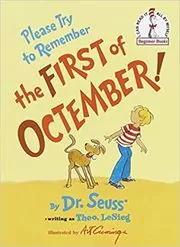
Please Try to Remember the First of Octember!
by Dr. Seuss
1977
A child is promised all kinds of wonderful gifts, but only “on the first of Octember.” The funny delays and excuses turn waiting into imagination practice, nudging kids toward patience without turning preachy.
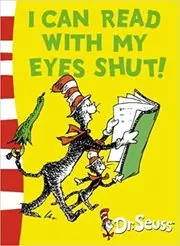
I Can Read With My Eyes Shut!
by Dr. Seuss
1978
The Cat in the Hat encourages a young reader to start with easy books and then try harder ones. Along the way, the kid attempts reading in ridiculous ways, showing that practice and curiosity make reading more fun.
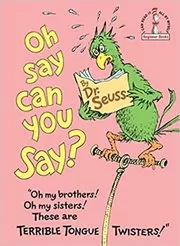
Oh Say Can You Say?
by Dr. Seuss
1979
A tongue-twisting collection of tricky phrases and silly challenges, perfect for kids who like to show off their pronunciation. It’s built for read-aloud laughs, with rhymes that trip you up and make you try again.
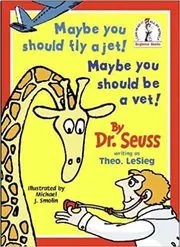
Maybe You Should Fly a Jet!
by Dr. Seuss
1980
A playful look at all the jobs a kid might dream about, from flying planes to caring for animals. Simple rhymes and bright pictures keep it moving, making “what do you want to be” feel like a fun question, not pressure.
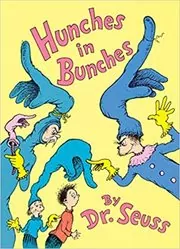
Hunches in Bunches
by Dr. Seuss
1982
A boy gets advice from the Hunches, who pop up when decisions need to be made. The story turns choosing into a funny adventure, reminding readers that growing up is full of crossroads and you have to pick a path.
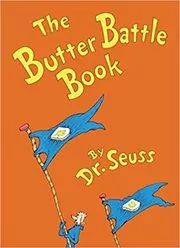
The Butter Battle Book
by Dr. Seuss
1984
Two neighboring groups feud over whether bread should be buttered on the top or the bottom. Their argument spirals into bigger weapons and louder threats, turning a silly dispute into a sharp caution about escalation.
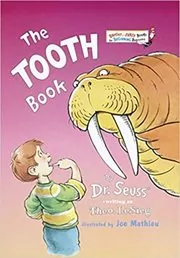
The Tooth Book
by Dr. Seuss
1984
A goofy tour of teeth, from tiny to gigantic, square to sharp, with silly creatures showing off their chompers. Along the way it slips in simple tooth facts and a light reminder that teeth need care.
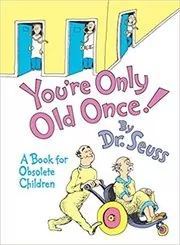
You're Only Old Once!
by Dr. Seuss
1986
A Seuss-style satire set in a clinic for seniors, where one patient is shuffled through bizarre tests, gadgets, and waiting rooms. It’s funny and a little pointed, turning the medical system into a whimsical obstacle course.
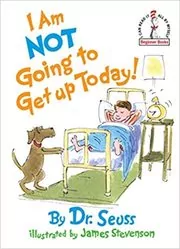
I Am Not Going to Get up Today!
by Dr. Seuss
1987
A stubborn kid refuses to leave bed, no matter what wild vehicles and inventions show up to help. The book turns that cozy resistance into a comic standoff, with escalating offers and a very determined “no.”
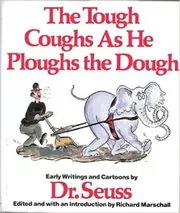
The Tough Coughs As He Ploughs the Dough
by Dr. Seuss
1987
A collection of early cartoons, sketches, and writing from before the famous children’s books. It’s a peek at Seuss’s humor in its raw form, showing how his drawings and jokes developed in the 1920s and 1930s.
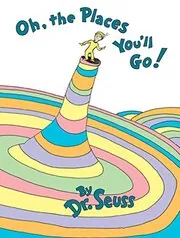
Oh, the Places You'll Go!
by Dr. Seuss
1990
A hopeful journey through life’s ups and downs that cheers readers on through waiting, setbacks, and fresh starts. It’s part poem, part pep talk, and it’s often picked up as a graduation or milestone gift.
Recommended by
3 people Richard Branson recommended this book
Richard Branson
Richard Branson recommended this book on his "70 must-read books" blog post.
Richard Branson's recommendation of this book  Lisa Ling recommended this book
Lisa Ling
"As a child of humble means, this book allowed me to believe that I could go anywhere and do anything." - Lisa Ling
Lisa Ling's recommendation of this book  Twinkle Khanna recommended this book
Twinkle Khanna
"I read this Dr Seuss book to the baby but it truly is a guide to life for grownups as well." - Twinkle Khanna
Twinkle Khanna's recommendation of this book
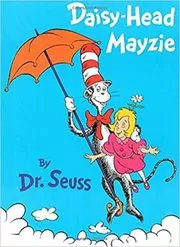
Daisy-Head Mayzie
by Dr. Seuss
1994
Mayzie wakes up with a daisy growing out of her head and becomes an instant celebrity. Fame, attention, and silly demands pile on fast, and Mayzie has to figure out what matters more than being noticed.
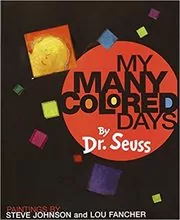
My Many Colored Days
by Dr. Seuss
1996
A simple, poetic book that matches colors with moods and energy, from calm to cranky to brave. With Seuss text and vivid illustrations, it gives kids an easy way to talk about feelings without long explanations.

Sneetches are Sneetches
by Dr. Seuss
1996
A simple early learning book that uses Sneetches to help kids sort, compare, and spot what is the same and what is different. It turns a familiar Seuss idea into hands-on concept practice for preschoolers.
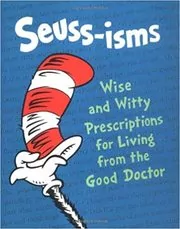
Seuss-isms
by Dr. Seuss
1997
A giftable collection of short Seuss sayings paired with familiar illustrations. It’s meant for dipping in and flipping through, a quick reminder of the playful, encouraging ideas that run through his books.

Who Are You, Sue Snue?
by Dr. Seuss
1997
In the town of Knee-Hi, a girl tries to figure out who she is when everyone looks the same and answers feel slippery. Her search becomes a gentle story about identity, belonging, and being comfortable with your own name.
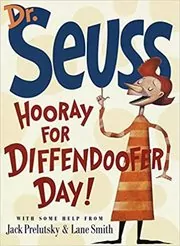
Hooray for Diffendoofer Day!
by Dr. Seuss
1998
A one-of-a-kind school is threatened with closure, and the students scramble to prove their teachers’ creative lessons really work. The result is a love letter to weird, joyful learning and the ways a good classroom sticks with you.
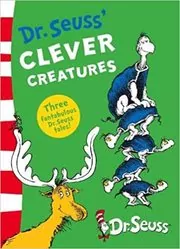
Dr. Seuss's Clever Creatures
by Dr. Seuss
2008
A three-story collection that gathers big-hearted Seuss animal adventures in one volume. Expect rhythmic read-aloud fun, odd creatures, and clear moral stakes, all built around characters trying to do the right thing.
What Was I Scared Of?
by Dr. Seuss
2009
A nervous character keeps running into a pair of pale green pants with nobody inside. The spooky encounters slowly turn into something surprisingly friendly, making it a gentle story about fear, misunderstanding, and second chances.
Dr. Seuss on the Loose
by Dr. Seuss
2011
Three Seuss favorites in one volume follow the Sneetches, the stubborn Zax, and Sam-I-Am. It’s a quick sampler of stories about prejudice, stubbornness, and trying something new, with classic rhyme and bold pictures.
Fox in Socks, Bricks and Blocks
by Dr. Seuss
2011
A sturdy board book that reshapes Seuss tongue twisters into shorter, rhythmic bits for little readers. It’s built for read-aloud giggles, with thick pages that can handle lots of pointing, tapping, and repeat readings.
The Bippolo Seed
by Dr. Seuss
2011
A collection of rarely seen Seuss stories and sketches, including the tale of a boy tempted by a magical seed. It brings together odd characters and moral fables that were originally tucked away in old magazines.
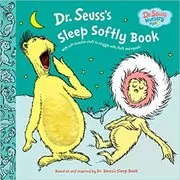
Dr. Seuss's Sleep Softly Book
by Dr. Seuss
2012
A gentle lift-the-flap bedtime book with sleepy Seuss creatures and peek-a-boo surprises under each flap. The simple, soothing rhythm makes it a good wind-down read for toddlers who like interactive pages.
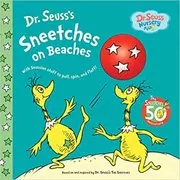
Sneetches on Beaches
by Dr. Seuss
2012
A small board book that brings the Sneetches into a baby-friendly format, with short text and bold pictures. It’s designed for quick reading, easy page turns, and pointing to silly Seuss details together.
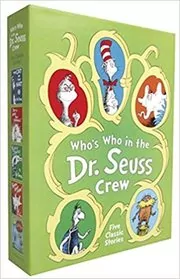
A Who's Who of the Dr. Seuss Crew
by Dr. Seuss
2013
A boxed set collection that bundles several Seuss classics together, making it easy to start a home library. It’s built around familiar characters and big read-aloud energy, with multiple short books in one package.
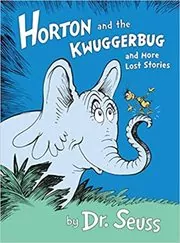
Horton and the Kwuggerbug
by Dr. Seuss
2014
A collection of four long-lost Dr. Seuss stories brought back into print, including the title tale with Horton and a pushy Kwuggerbug, plus adventures with Marco and the Grinch. Short, rhyming, and full of surprises.
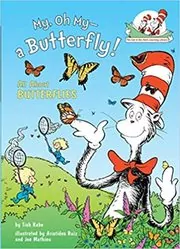
My, Oh My--A Butterfly!
by Dr. Seuss
2014
A simple introduction to how a caterpillar becomes a butterfly, told with short, clear text and Seuss art. It makes basic nature facts feel friendly and magical, perfect for curious preschoolers.
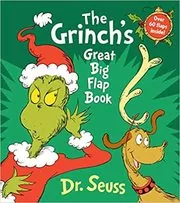
The Grinch's Great Big Flap Book
by Dr. Seuss
2014
A lift-the-flap version of the Grinch story packed with hidden surprises on every spread. Kids can peek into Whoville and Mount Crumpit while the familiar plot unfolds, turning rereads into a seek-and-find game.
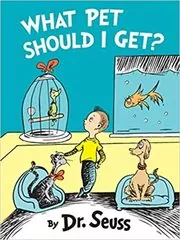
What Pet Should I Get?
by Dr. Seuss
2015
Brother and sister visit a pet store to choose one animal, and immediately want them all. Their back-and-forth indecision becomes a warm, funny look at making choices, with plenty of silly animal options and Seuss-style charm.
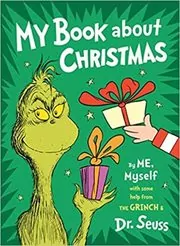
My Book About Christmas
by Dr. Seuss
2016
An activity-style book that invites kids to tell their own holiday story with prompts for drawing and writing. It focuses on traditions, wishes, and cozy details, using Seuss-inspired art to make each page feel festive and personal.
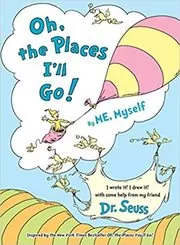
Oh, the Places I'll Go!
by Dr. Seuss
2016
A fill-in journal inspired by Oh, the Places You'll Go! that prompts kids to write about dreams, goals, and everyday adventures. Seuss-style questions and drawing spaces turn the book into a personal keepsake you build yourself.
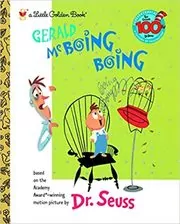
Gerald McBoing Boing
by Dr. Seuss
2017
Gerald can only speak in sound effects, not words, and that makes him an odd fit at home and school. When his noise-making talent is discovered, it becomes exactly what the world of radio and entertainment needs.
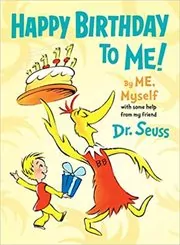
Happy Birthday to Me!
by Dr. Seuss
2017
A fill-in birthday book where kids record party plans, favorites, and memories, then add drawings and notes. It turns a birthday into a personalized story you can revisit later, with playful prompts throughout.
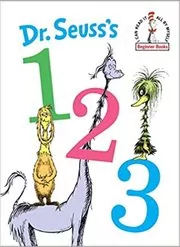
Dr. Seuss's 1 2 3
by Dr. Seuss
2019
A sturdy counting board book that uses familiar Seuss characters and scenes to practice numbers. It keeps things simple and visual, making counting feel like page-turning play for toddlers and preschoolers.
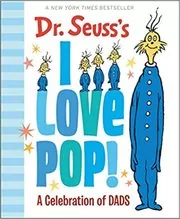
Dr. Seuss's I Love Pop!
by Dr. Seuss
2019
A bright board book about love and family that uses simple, rhythmic lines and familiar Seuss characters. It’s designed for quick read-alouds, with bold pictures and a warm, affectionate message for little kids.
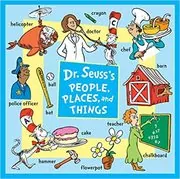
Dr. Seuss's People, Places, and Things
by Dr. Seuss
2019
A board book that helps little kids name basic people, places, and everyday objects. Clear labels and familiar Seuss art turn early vocabulary practice into a quick, friendly read with lots to point at.

Dr. Seuss's Thankful Things
by Dr. Seuss
2021
A small, rhythmic board book that encourages kids to notice everyday things to be grateful for. Familiar Seuss characters and cozy scenes keep it simple, making it an easy read-aloud for sharing thanks together.
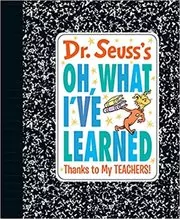
Dr. Seuss's Oh, What I've Learned
by Dr. Seuss
2022
A rhyming thank-you to teachers that looks back on lessons, encouragement, and the small moments that help kids grow. It’s classroom-friendly and heartfelt, with Seuss-style humor and a simple message of gratitude.

Thing One, Thing Two and the Leprechaun
by Dr. Seuss
2022
Thing One and Thing Two chase a mischievous leprechaun through St. Patrick’s Day chaos, leaving mayhem behind them. It’s a short, holiday-themed adventure that leans on Seuss-style silliness and bright, busy art.

Dr. Seuss's Who Loves You?
by Dr. Seuss
2023
A board book that celebrates affection and family through simple, sing-song text and familiar Seuss art. It shows different ways love can look, from hugs to helping hands, in a quick read meant for toddlers.

Sing the 50 United States!
by Dr. Seuss
2026
A rhyming, Seuss-style tour that helps kids learn and recite all fifty U.S. states, with the Cat in the Hat guiding the list. Playful illustrations turn geography into a chantable game for read-aloud time.
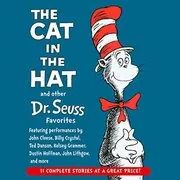
Where to start with Dr. Seuss
If you want classic beginner readers: The Cat in the Hat → Green Eggs and Ham → One Fish, Two Fish, Red Fish, Blue Fish
If you want tongue twisters and sound play: Fox in Socks → Oh Say Can You Say? → Mr. Brown Can Moo! Can You?
If you like big-hearted heroes: Horton Hatches the Egg → Horton Hears a Who! → Thidwick the Big-Hearted Moose
If you want stories with a message: The Lorax → The Sneetches → The Butter Battle Book
If you want an older-kid send-off: Did I Ever Tell You How Lucky You Are? → Oh, the Places You'll Go! → Oh, the Thinks You Can Think!
Dr. Seuss sub-series and character series
Horton the Elephant books in order
Explore this seriesHorton the Elephant books in chronological order
Dr. Seuss collections, short stories, and related book types
Picture Books
Children's Books
Short Story Collections
Theo LeSieg Picture Books
Standalone Dr. Seuss books
Author bio
Dr. Seuss was the pen name of Theodor Seuss Geisel, an American writer and illustrator who turned children’s books into sing-song mischief and unforgettable characters. He was born on March 2, 1904, in Springfield, Massachusetts.
He grew up in Springfield in a family that knew both hard work and public life, his father managed a brewery and later worked in the city’s parks department. Years later, the streets of his hometown, including Mulberry Street, would pop back up in his drawings.
Geisel graduated from Dartmouth College in 1925 and then headed to Oxford University in England, where he had been expected to focus on academic study. Instead, he kept drifting toward cartoons and notebooks full of sketches. At Oxford he met Helen Palmer, who encouraged him to take his drawing seriously, and they married in 1927.
Back in the United States, he worked as a cartoonist and illustrator, contributing to magazines and building a reputation for strange creatures and sharp visual jokes. A long run of advertising work, including the famous Flit bug-spray campaign, helped him make a living and sharpen the quick, punchy style he’d later bring to picture books.
In 1937 he published his first children’s book, And to Think That I Saw It on Mulberry Street. It set the pattern he’d return to again and again, a simple setup that swells into something wildly imaginative, powered by rhythm, repetition, and pictures that do half the storytelling.
World War II changed the direction of his work for several years.
He drew hundreds of political cartoons and then joined the U.S. Army, where he worked in film and animation, including projects linked to Frank Capra’s Signal Corps unit in Hollywood. His wartime service earned him the Legion of Merit, and a documentary he helped create, Design for Death, later won an Academy Award.
After the war, he returned to children’s books with fresh energy and a new focus on early literacy. A mid-1950s push for better beginning readers led him to write The Cat in the Hat, using a controlled list of simple words without losing his sense of fun. Soon after, a challenge to write a book using only fifty different words helped produce Green Eggs and Ham, proof that he could make a tiny vocabulary feel huge.
Across the decades, his stories kept mixing silliness with real stakes. Books like Horton Hatches the Egg and Horton Hears a Who! turn keeping a promise into an adventure. How the Grinch Stole Christmas! is a holiday story with a warm heart at the center, while The Lorax and The Sneetches tackle bigger questions about responsibility and how people treat each other. Late in his career, Oh, the Places You’ll Go! spoke to older kids and adults facing the next step.
Geisel lived much of his adult life in New York, and later in La Jolla, California. After Helen Palmer died in 1967, he married Audrey Dimond in 1968. He had no children of his own, but his books became a stand-in, read aloud in classrooms and at bedtime for generations, and he received a special Pulitzer Prize in 1984 for the lasting impact of his work.




Edited by
Software engineer whose passion for tracking book recommendations from podcasts inspired the creation of MRB.
Lead investor at 3one4 Capital whose startup expertise and love for books helped shape MRB and its growth.
Comments
Did we miss something? Have feedback?
Help us improve this page by sharing your thoughts