
Chronicles of the Nephilim Books in Order
Part ofBrian Godawa Books in OrderChronicles of the Nephilim by Brian Godawa, showing the books in order with summaries and where-to-start guidance for reading his biblical fantasy series.
Last updated:
As an Amazon Associate, we earn from qualifying purchases (at no extra cost to you).
Chronicles of the Nephilim books in publication order
10 books
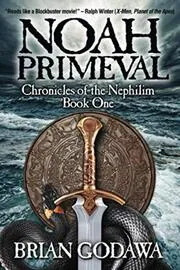
Noah Primeval
by Brian Godawa
2011
In a world ruled by fallen angels posing as gods and populated by Nephilim giants, Noah is a tribal leader prophesied to halt their corruption. When his family is targeted, he must battle both physical enemies and spiritual powers while obeying God’s command to build the ark.
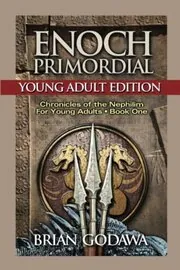
Enoch Primordial
by Brian Godawa
2012
Before Noah’s time, the world groans under the rule of Watcher angels and their Nephilim offspring. Enoch, who walks with God yet loves his family fiercely, is called to become a giant-killer and prophet, confronting monstrous powers bent on pushing their way back to Eden.
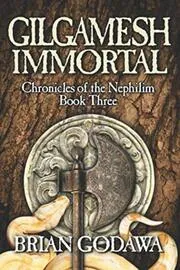
Gilgamesh Immortal
by Brian Godawa
2012
Gilgamesh, the mighty giant king of Uruk, oppresses his people until the wild man Enkidu challenges him and becomes his closest friend. Driven by fear of death, Gilgamesh quests for immortality, crossing strange realms to confront Noah and the true God’s purposes.
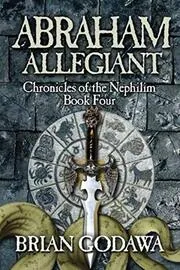
Abraham Allegiant
by Brian Godawa
2013
After the Flood, tyrant-king Nimrod builds Babel to unite the world under rebel gods, only for God to scatter his empire. Into this broken landscape steps Abram, called to follow a risky new promise while Nimrod seeks to destroy him and his line.
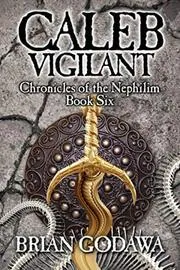
Caleb Vigilant
by Brian Godawa
2013
As Israel turns toward Jericho, Caleb’s story centers on Rahab, a Canaanite prostitute drawn to Israel’s God and to an Israelite warrior. While Anakim assassins hunt her, Caleb must safeguard Israel’s advance and the fragile family line that will one day carry the Messiah.
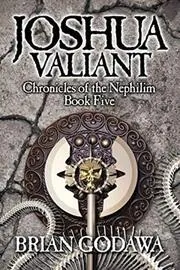
Joshua Valiant
by Brian Godawa
2013
Israel finally approaches Canaan after centuries of slavery, only to find the land infested with giant clans. Joshua and Caleb lead God’s people against King Og of Bashan and occult armies, learning that conquering giants demands both courage and unwavering faith.
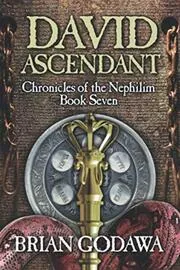
David Ascendant
by Brian Godawa
2014
Young David rises from overlooked shepherd to fugitive and warrior while six giant assassins, the Sons of Rapha, hunt him. Between Saul’s jealousy, Philistine intrigue, and his own desires, David must trust God to survive and take the throne of Israel.

When Giants Were Upon the Earth
by Brian Godawa
2014
This nonfiction volume gathers the research behind Chronicles of the Nephilim, tracing the Bible’s references to the Watchers, Nephilim, giants, Leviathan, and the cosmic war of the seed, and showing how ancient texts and traditions inform those supernatural themes.
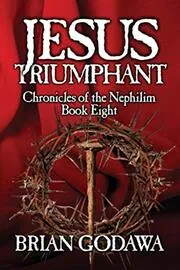
Jesus Triumphant
by Brian Godawa
2015
Told largely through the eyes of the two thieves on the cross, this novel traces Jesus’ ministry from desert temptation to descent into Hades. It reveals the hidden spiritual war he wages against the powers behind Rome, demons, and the nations he came to reclaim.

When Watchers Ruled the Nations
by Brian Godawa
2020
Companion to When Giants Were Upon the Earth, this book surveys how Scripture portrays the divine council, territorial spirits, and pagan gods from Canaan, Egypt, China, and beyond, framing the unseen powers later explored in Chronicles of the Watchers and related novels.
Chronicles of the Nephilim books in chronological order
Series background & context
The Chronicles of the Nephilim series takes familiar Bible stories and drops them into a mythic war between heaven and earth. Angels and rebel Watchers, Nephilim giants, and ancient gods move behind the scenes as Noah, Abraham, Joshua, David, and Jesus make their choices.
The journey opens in a pre‑Flood world with Noah Primeval and its prequel Enoch Primordial. Fallen Watchers rule as counterfeit gods, breeding monstrous offspring and corrupting humanity, while Enoch and then Noah are called to confront them, protect their families, and trust God in the face of global judgment.
After the waters recede, the focus shifts to the rise of post‑Flood empires. Gilgamesh Immortal reimagines the legendary king of Uruk as a giant wrestling with power, friendship, and mortality on a quest that leads him to Noah himself. In Abraham Allegiant, the tyrant Nimrod builds the tower of Babel, only to have God scatter his kingdom and call a wandering herdsman named Abram into a new covenant story.
From there the saga marches into the conquest of Canaan. Joshua Valiant and Caleb Vigilant follow Israel’s entry into the Promised Land, where the Anakim and Rephaim giants still occupy key strongholds. Joshua, Caleb, and allies like Rahab find themselves battling not just fortified cities and towering warriors but the dark goddess Ashtart and her occult armies.
The war between the seed of the serpent and the seed of Abraham tightens in David Ascendant. Here the Philistines are more than a nuisance on Israel’s border. Goliath belongs to an elite cadre of giant assassins, the Sons of Rapha, who vow to hunt down the anointed king, forcing David to face both external enemies and his own divided loyalties.
The series reaches its climax in Jesus Triumphant, which tells Christ’s story through the eyes of the two thieves on the cross and pulls back the curtain on the spiritual conflict around his ministry. From the desert temptation to the crucifixion and descent into Hades, demons and rebellious powers push back as Jesus reclaims the nations that had been handed over to false gods.
Across all eight novels, readers can expect a blend of action‑adventure, ancient Near Eastern research, and theological imagination. The tone lands around a PG‑13 level—roughly on par with the Bible’s own depictions of war and depravity—and the books can be read in publication order or dipped into by era if you have a favorite biblical period.












Edited by
Software engineer whose passion for tracking book recommendations from podcasts inspired the creation of MRB.
Lead investor at 3one4 Capital whose startup expertise and love for books helped shape MRB and its growth.
Comments
Did we miss something? Have feedback?
Help us improve this page by sharing your thoughts