
Carson McCullers Books in Order
Explore Carson McCullers books in order, with concise summaries, reading guidance, and background on her novels, stories, plays, and collections.
Last updated:
As an Amazon Associate, we earn from qualifying purchases (at no extra cost to you).
Carson McCullers books in publication order
13 books
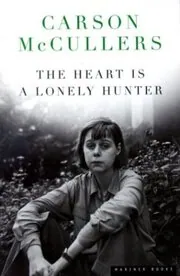
The Heart Is a Lonely Hunter
by Carson McCullers
1940
In a 1930s Georgia mill town, deaf engraver John Singer becomes a silent confidant to Mick Kelly, Dr. Copeland, Jake Blount, and Biff Brannon. Each seeks connection, and each finds how hard it is to be understood.
Recommended by
1 person Oprah Winfrey recommended this book
Oprah Winfrey
"The book I love so much—recommended to me by Julia [Roberts]." - Oprah Winfrey
Oprah Winfrey's recommendation of this book
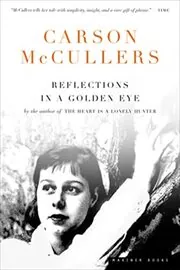
Reflections in a Golden Eye
by Carson McCullers
1941
On a peacetime Southern army post, Captain Weldon Penderton, his wife Leonora, Private Williams, and the Langdons drift toward violence. The novel is claustrophobic, unsettling, and focused on obsession, desire, and watching.
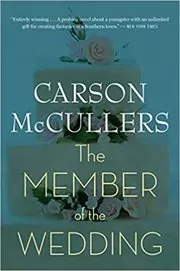
The Member of the Wedding
by Carson McCullers
1946
Twelve-year-old Frankie Addams feels trapped in a small Georgia town and pins all her hopes on joining her brother and his bride after their wedding. Around the kitchen table, Berenice and John Henry help shape her confusing summer.
Recommended by
1 person Tavi Gevinson recommended this book
Tavi Gevinson
"Frankie seems like a silly 12-year-old who's overly obsessed with her brother's wedding but, actually, people of all ages are obsessed with weddings." - Tavi Gevinson
Tavi Gevinson's recommendation of this book
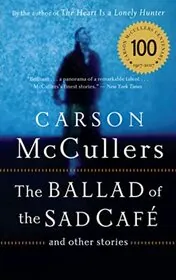
The Ballad of the Sad Café
by Carson McCullers
1951
In a small Southern town, formidable Miss Amelia opens her closed life and café to Cousin Lymon, only for ex-husband Marvin Macy to return. A strange love triangle turns communal warmth into heartbreak.
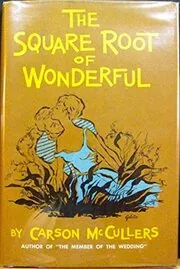
The Square Root of Wonderful
by Carson McCullers
1958
Mollie Lovejoy tries to build a calmer life with architect John Tucker when her troubled ex-husband, Phillip, returns from a sanatorium. The household becomes a test of love, guilt, and escape.
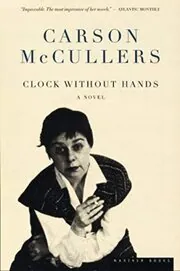
Clock Without Hands
by Carson McCullers
1961
In a Georgia town on the eve of court-ordered integration, pharmacist J. T. Malone receives a fatal diagnosis while Judge Fox Clane, Jester Clane, and Sherman Pew confront race, memory, and family secrets.

Sweet As a Pickle and Clean As a Pig
by Carson McCullers
1964
This rare book of children’s verse shows McCullers in a playful mode, pairing brief poems with Rolf Gérard’s illustrations. The rhymes keep her interest in childhood imagination, odd perspectives, and small emotional surprises.

The Mortgaged Heart
by Carson McCullers
1970
Edited by her sister Margarita G. Smith, this posthumous collection gathers McCullers’s stories, essays, poems, and notes on writing. It’s a useful companion for readers interested in her early drafts, habits, and range.

The Shorter Novels and Stories of Carson McCullers
by Carson McCullers
1972
This compact gathering pairs The Ballad of the Sad Café and several shorter stories with Reflections in a Golden Eye and The Member of the Wedding, making it a strong overview of McCullers’s mid-career fiction.

Sucker
by Carson McCullers
1986
Teenage Pete has always taken his younger cousin’s devotion for granted. When a brief romance lifts and then humiliates him, he turns his hurt on Sucker, changing their room and their friendship for good.

Collected Stories
by Carson McCullers
1987
This collection gathers McCullers’s short fiction alongside The Member of the Wedding and The Ballad of the Sad Café. It shows her range, from adolescent hurt in Sucker to outsiders searching for love and shelter.
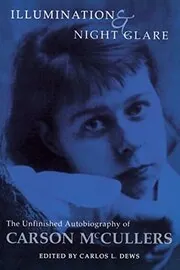
Illumination and Night Glare
by Carson McCullers
1999
McCullers’s unfinished autobiography looks back on the flashes of inspiration and bouts of illness, fear, and grief that shaped her work. Fragmentary and intimate, it offers a late-life window into how she understood writing.

The Haunted Boy
by Carson McCullers
2018
Hugh Brown comes home from school with his older friend John Laney and senses that something is wrong at home. In one uneasy afternoon, childhood bravado gives way to panic, shame, and loyalty.
Where to start with Carson McCullers
For the essential novels: The Heart Is a Lonely Hunter → The Member of the Wedding → Clock Without Hands.
For short Southern Gothic: Reflections in a Golden Eye → The Ballad of the Sad Café → Collected Stories.
For coming-of-age themes: The Member of the Wedding → Sucker → The Haunted Boy.
For essays and life writing: The Mortgaged Heart → Illumination and Night Glare.
Carson McCullers collections, short stories, and related book types
Short Stories/Novellas
Collections
Non-Fiction
Standalone Carson McCullers books
Author bio
Carson McCullers was born Lula Carson Smith on February 19, 1917, in Columbus, Georgia. She grew up there as the daughter of Lamar Smith, a jewelry store owner, and Vera Marguerite Waters Smith, in a household that took her artistic ambitions seriously.
At first, the plan was music. McCullers began formal piano lessons at ten, and for a while she imagined a concert career. Rheumatic fever changed that. During recovery she read hard, turned toward writing, and found that the stories in her head could be as demanding as any keyboard.
She left for New York at seventeen.
Her family thought Juilliard was the goal, but McCullers was also chasing a quieter plan. She worked odd jobs and studied writing at Columbia University and Washington Square College of New York University. In 1936, while still a teenager, she published Wunderkind, a story about a young pianist whose confidence begins to crack.
Her first novel, The Heart Is a Lonely Hunter, came out in 1940, when she was only twenty-three. Set in a Georgia mill town, it gathers lonely people around John Singer, a deaf man who becomes the listener they all need. The book set the pattern for much of her work: outsiders, longing, hard talk, and the ache of being misunderstood.
She worked quickly in those early years.
Reflections in a Golden Eye followed in 1941, turning to jealousy and desire on a Southern army post. The Member of the Wedding gave readers Frankie Addams, a restless twelve-year-old trying to make sense of growing up. The Ballad of the Sad Café offered Miss Amelia, Cousin Lymon, and Marvin Macy in one of McCullers’s strangest and sharpest triangles of love. Later, Clock Without Hands looked at illness, race, and change in a Georgia town during the civil rights era.
McCullers married Reeves McCullers in 1937. Their relationship was complicated by alcohol, separation, and the frustrations of two writers sharing one household. They divorced, remarried, and spent time in the same lively literary circles as Tennessee Williams, W. H. Auden, Richard Wright, and other artists who were testing old rules about art and identity.
Illness was part of her adult life, too. A series of strokes left her partly paralyzed, and her later years were often painful and slow. Still, she kept writing essays, plays, poems, stories, and the unfinished autobiography later published as Illumination and Night Glare. She spent much of her later life in Nyack, New York, where she died on September 29, 1967, at age fifty.
Readers often come to McCullers for the Southern settings, but they stay for the people. Her characters are lonely, stubborn, funny, awkward, and hungry for connection. They want someone to hear them. Sometimes they find that person, and sometimes they only imagine they do.










Edited by
Software engineer whose passion for tracking book recommendations from podcasts inspired the creation of MRB.
Lead investor at 3one4 Capital whose startup expertise and love for books helped shape MRB and its growth.
Comments
Did we miss something? Have feedback?
Help us improve this page by sharing your thoughts