
Allan Massie Books in Order
Explore Allan Massie books in order, with short summaries, series guides, and easy starting points for his Roman, Bordeaux, and Dark Ages novels.
Last updated: June 11, 2026
As an Amazon Associate, we earn from qualifying purchases (at no extra cost to you).
Allan Massie books in publication order
47 books
Change And Decay In All Around I See
by Allan Massie
1978
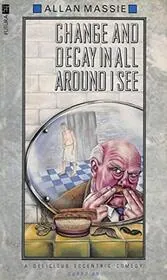
Massie's first novel looks at a privileged Scottish world losing its balance. Personal drift and social change work together to unsettle lives built on old assumptions.
Muriel Spark
by Allan Massie
1979
Massie introduces Muriel Spark's life and work with the clarity of a critic who knows her fiction well. It is a compact guide to one of Scotland's sharpest novelists.
The Last Peacock
by Allan Massie
1980
As an old matriarch lies dying in a Perthshire manse, her family gathers under the same roof. Inheritance, vanity, drink, and class anxiety expose a world already starting to crack.
Ill Met By Gaslight
by Allan Massie
1981
This book revisits five notorious Edinburgh murders and the city that surrounded them. It blends crime history with atmosphere, showing how violence becomes part of urban memory.
The Death of Men
by Allan Massie
1981
Inspired by the Aldo Moro kidnapping, this Rome-set political thriller begins with the abduction of a senior statesman. As the search widens, public violence and family betrayal start to overlap.
Edinburgh and The Borders, In Verse
by Allan Massie
1983
This anthology gathers poems about Edinburgh and the Borders, letting many voices describe the region's landscapes, history, and mood. It is a literary map as much as a collection.
The Caesars
by Allan Massie
1983
In this nonfiction study, Massie surveys the rulers of early imperial Rome as both political figures and difficult human beings. He is interested in personality as much as power.
A Portrait of Scottish Rugby
by Allan Massie
1984
Massie looks at Scottish rugby through its clubs, players, traditions, and style of play. It is part history, part character study, and written by someone who clearly loves the game.
One Night in Winter
by Allan Massie
1984
A death on a winter night draws a group of modern Scots into an investigation shaped by desire, fantasy, and self-deception. The mystery matters, but the psychology matters more.
Augustus / Let the Emperor Speak
by Allan Massie
1986
Massie lets Augustus speak for himself as he remembers civil war, statecraft, and the long labour of founding an empire. It is both a rise-to-power story and a meditation on what victory costs.
Colette
by Allan Massie
1986
This biography follows Colette's life as writer, performer, scandal, and self-inventor. Massie pays close attention to the way her books grew out of her relationships, ambitions, and reinventions.
101 Great Scots
by Allan Massie
1987
This book offers short, lively portraits of 101 Scots who shaped the country's history and culture. It is a browseable introduction to famous names and less expected ones.
Eisenstaedt's Aberdeen
by Allan Massie
1987
Massie supplies the text for this portrait of Aberdeen, pairing local history and observation with Eisenstaedt's photographs. The result is a picture of a city through both words and images.
Byron's Travels
by Allan Massie
1988
Massie follows Byron from his grand tour of 1809 to his death, using travel to show the poet in motion. The book places him in his political and cultural moment and draws on his own writing along the way.
The Novelist's View of the Market Economy
by Allan Massie
1988
In this short nonfiction work, Massie considers how novelists think about money, commerce, and the market economy. It is a literary argument about values as much as economics.
A Question Of Loyalties
by Allan Massie
1989
Etienne de Balafré returns to postwar France to discover whether his father was a patriot, a collaborator, or something harder to name. Family history opens into the moral confusion of Vichy.
Glasgow
by Allan Massie
1989
Part history and part personal portrait, this book follows Glasgow from its early origins through industrial might, decline, and renewal. Massie writes with affection, but without pretending the city is simple.
The Hanging Tree
by Allan Massie
1990
Set on the fifteenth-century Scottish Borders, this novel follows the violent fortunes of the Linsdale family. Feuds, treachery, and the rise and fall of the Douglases shape every life around them.
The Novel Today
by Allan Massie
1990
Massie surveys the British novel from 1970 to 1989, offering criticism that is clear, direct, and often sharply argued. It works as both a guide to the period and a statement of literary taste.
The Sins of the Father
by Allan Massie
1991
In 1960s Argentina, a young couple's love story is overshadowed by the Nazi past one family carries and the suffering the other survived. The novel asks how far history reaches into the next generation.
Tiberius
by Allan Massie
1991
An ageing emperor looks back on exile, duty, bereavement, and the long solitude of rule. Massie gives Tiberius a grave, reflective voice that pushes past the usual caricature.
Caesar
by Allan Massie
1993
Decimus Brutus, once close to Caesar and later one of his killers, looks back on the rise and fall of Rome's most famous leader. The novel turns public history into a personal reckoning.
These Enchanted Woods
by Allan Massie
1993
Returning to the Perthshire world of The Last Peacock, Massie follows a family and its circle through fresh scandal, old resentments, and changing social rules. Country-house manners mask a lot of damage.
Edinburgh
by Allan Massie
1994
This is Massie's portrait of Edinburgh as a place of history, power, beauty, and argument. He traces the city's growth while keeping an eye on its character and contradictions.
The History of Selkirk Merchant Company, 1694-1994
by Allan Massie
1994
Massie tells the long story of the Selkirk Merchant Company across three centuries of local trade and civic life. It is a focused piece of regional history with a strong sense of place.
The Ragged Lion
by Allan Massie
1994
In this fictional memoir of Sir Walter Scott, Massie explores fame, debt, memory, and the making of literary legend. The book brings Scott down from the monument and back into ordinary human trouble.
King David
by Allan Massie
1995
Massie reimagines the life of David, from shepherd and warrior to king, with all the desire, ambition, and family grief that follow him. The biblical story becomes a human drama about power and responsibility.
Antony
by Allan Massie
1997
Told by his Greek secretary Critias, this novel follows Mark Antony from Caesar's murder to the ruinous struggle with Octavian. It is intimate, political, and alert to the difference between legend and the man himself.
Shadows of Empire
by Allan Massie
1997
Seen through Alec Allan and his well-connected Scottish family, Europe in the 1930s moves toward catastrophe. Spain is at war, Germany is rising, and private choices begin to feel like political ones.
Eric Linklater
by Allan Massie
1999
Massie's study of Eric Linklater looks at the Scottish writer's life, work, and public personality. It is both an introduction and a critical portrait of a major literary figure.
Nero's Heirs
by Allan Massie
1999
After Nero's fall, Rome lurches into the savage contest later known as the Year of the Four Emperors. Massie follows the scramble for succession through the eyes of a man close to the centre of events.
The Evening of the World
by Allan Massie
1999
As the Roman world frays, a young nobleman named Marcus travels through a landscape of invasion, argument, and spiritual uncertainty. It is a quest novel set at the fading edge of empire.
Arthur the King
by Allan Massie
2003
After the Romans, Britain is a land of rival kings, shifting loyalties, and legend in the making. Massie reworks the Arthur story with Camelot on the Tweed and politics at the heart of the myth.
Caligula
by Allan Massie
2003
Commissioned to write Caligula's life, Lucius tries to make sense of an emperor remembered mainly as a monster. The result is a tense portrait of fear, performance, and the distortions of power.
The Thistle and the Rose
by Allan Massie
2005
Massie examines six centuries of love, quarrel, suspicion, and partnership between Scotland and England. The book mixes history and essay to explore a relationship that has never been simple.
Scottish Cultural Identity
by Allan Massie
2006
In this short study, Massie looks at the making of Scottish identity through history, language, religion, education, and literature. It is a compact meditation on how a nation imagines itself.
Charlemagne and Roland
by Allan Massie
2009
Massie retells the story of Charlemagne and his nephew Roland as history and legend blur together. Empire, faith, war, and heroic reputation all come under the same searching light.
Surviving
by Allan Massie
2009
A group of British expatriates in Rome meet through Alcoholics Anonymous, each carrying private wreckage. When a murder touches their circle, the novel turns into a dark study of ageing, loneliness, and complicity.
Death in Bordeaux
by Allan Massie
2010
In the spring of 1940, Superintendent Lannes investigates the mutilation of a man near Bordeaux station. What seems a brutal sex crime opens into blackmail, politics, and the coming collapse of France.
Klaus and Other Stories
by Allan Massie
2010
A collection of short fiction built around the title novella, these pieces explore memory, desire, art, and the small turns that change a life. The tone is cool, precise, and quietly unsettling.
The Royal Stuarts
by Allan Massie
2010
Massie traces the Stuart dynasty from its medieval rise to exile and defeat, focusing on the family behind the crowns. It is a lively history of ambition, religion, dynastic luck, and repeated disaster.
Dark Summer in Bordeaux
by Allan Massie
2012
Occupied Bordeaux grows harsher as Lannes investigates fresh killings and the death of an elderly professor. The case pulls him deeper into collaboration, resistance, and the painful divisions inside his own family.
Life & Letters
by Allan Massie
2013
This collection gathers Massie's Spectator columns on books, writers, and literary life. It offers brisk, opinionated essays on reading, criticism, and the habits of authors past and present.
Cold Winter in Bordeaux
by Allan Massie
2014
Winter 1942-43 brings Superintendent Lannes what looks like a simple murder in occupied Bordeaux. The dead woman's secrets soon draw in the Vichy police, the Germans, and the Resistance, while his own family strains under the war.
Klaus
by Allan Massie
2014
This short novel centres on Klaus as he tries to understand his relationship with his father, his former lover, and his work as an artist. It is intimate, uneasy, and sharply focused on memory.
Nevertheless
by Allan Massie
2014
A short political pamphlet written during the 2014 referendum campaign, this book sets out Massie's case for Scotland remaining in the United Kingdom. It is part history, part argument, and very much a reflection on identity.
End Games in Bordeaux
by Allan Massie
2015
In the summer of 1944, with liberation close and vengeance already in the air, Superintendent Lannes searches for a missing girl and old buried crimes. France is breaking apart, and every answer carries a political cost.
Where to start with Allan Massie
If you want Roman power and court intrigue: Augustus / Let the Emperor Speak → Tiberius → Caesar → Antony
If you want wartime crime novels: Death in Bordeaux → Dark Summer in Bordeaux → Cold Winter in Bordeaux → End Games in Bordeaux
If you want morally tangled twentieth-century Europe: A Question Of Loyalties → The Sins of the Father → Shadows of Empire
If you want myth and the early medieval world: The Evening of the World → Arthur the King → Charlemagne and Roland
Allan Massie sub-series and character series
Bordeaux books in order
Explore this series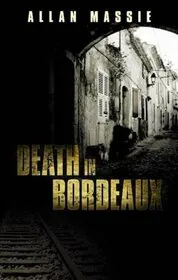
Death in Bordeaux
by Allan Massie
2010Bordeaux, Book 1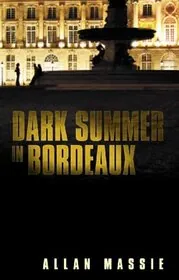
Dark Summer in Bordeaux
by Allan Massie
2012Bordeaux, Book 2
Cold Winter in Bordeaux
by Allan Massie
2014Bordeaux, Book 3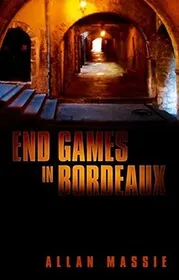
End Games in Bordeaux
by Allan Massie
2015Bordeaux, Book 4
Bordeaux books in chronological order
Death in Bordeaux
by Allan Massie
2010Bordeaux, Book 1Dark Summer in Bordeaux
by Allan Massie
2012Bordeaux, Book 2Cold Winter in Bordeaux
by Allan Massie
2014Bordeaux, Book 3End Games in Bordeaux
by Allan Massie
2015Bordeaux, Book 4
Dark Ages books in order
Explore this series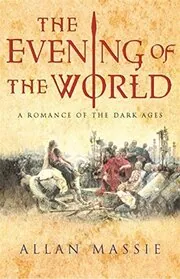
The Evening of the World
by Allan Massie
1999Dark Ages, Book 1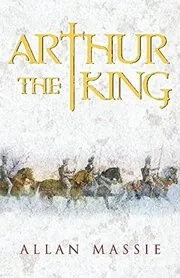
Arthur the King
by Allan Massie
2003Dark Ages, Book 2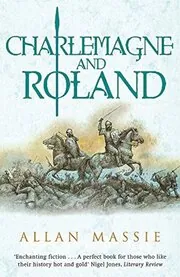
Charlemagne and Roland
by Allan Massie
2009Dark Ages, Book 3
Dark Ages books in chronological order
The Evening of the World
by Allan Massie
1999Dark Ages, Book 1Arthur the King
by Allan Massie
2003Dark Ages, Book 2Charlemagne and Roland
by Allan Massie
2009Dark Ages, Book 3
Imperial (Allan Massie) books in order
Explore this series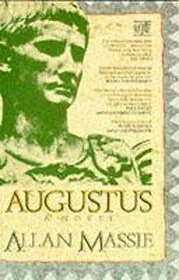
Augustus / Let the Emperor Speak
by Allan Massie
1986Imperial, Book 1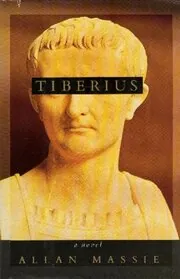
Tiberius
by Allan Massie
1991Imperial, Book 2
Caesar
by Allan Massie
1993Imperial, Book 3
Imperial (Allan Massie) books in chronological order
Augustus / Let the Emperor Speak
by Allan Massie
1986Imperial, Book 1Tiberius
by Allan Massie
1991Imperial, Book 2Caesar
by Allan Massie
1993Imperial, Book 3
Question Of Loyalties books in order
Explore this series
A Question Of Loyalties
by Allan Massie
1989Question Of Loyalties, Book 1
The Sins of the Father
by Allan Massie
1991Question Of Loyalties, Book 2
Shadows of Empire
by Allan Massie
1997Question Of Loyalties, Book 3
Question Of Loyalties books in chronological order
A Question Of Loyalties
by Allan Massie
1989Question Of Loyalties, Book 1The Sins of the Father
by Allan Massie
1991Question Of Loyalties, Book 2Shadows of Empire
by Allan Massie
1997Question Of Loyalties, Book 3
Allan Massie collections, short stories, and related book types
Short Stories/Novellas

Klaus
by Allan Massie
2014
Collections

Edinburgh and The Borders, In Verse
by Allan Massie
1983
Klaus and Other Stories
by Allan Massie
2010
Non-Fiction

Muriel Spark
by Allan Massie
1979
The Caesars
by Allan Massie
1983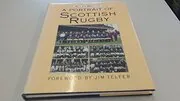
A Portrait of Scottish Rugby
by Allan Massie
1984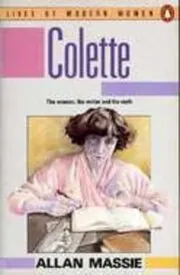
Colette
by Allan Massie
1986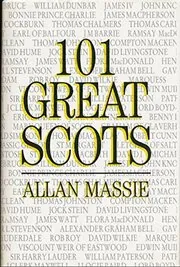
101 Great Scots
by Allan Massie
1987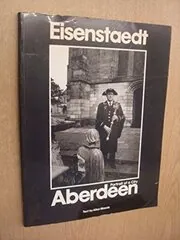
Eisenstaedt's Aberdeen
by Allan Massie
1987
The Novelist's View of the Market Economy
by Allan Massie
1988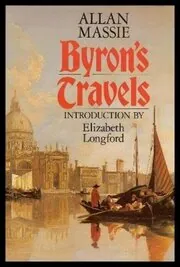
Byron's Travels
by Allan Massie
1988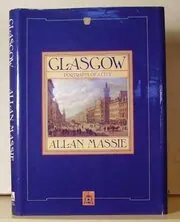
Glasgow
by Allan Massie
1989
The Novel Today
by Allan Massie
1990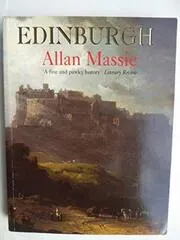
Edinburgh
by Allan Massie
1994
The History of Selkirk Merchant Company, 1694-1994
by Allan Massie
1994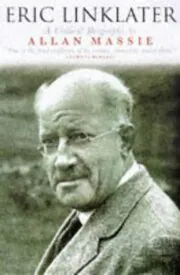
Eric Linklater
by Allan Massie
1999
Scottish Cultural Identity
by Allan Massie
2006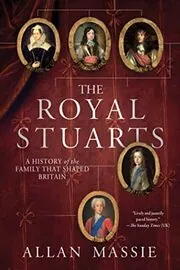
The Royal Stuarts
by Allan Massie
2010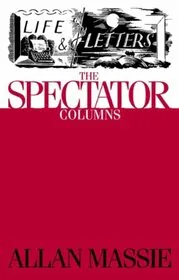
Life & Letters
by Allan Massie
2013
Standalone Allan Massie books
Change And Decay In All Around I See
by Allan Massie
1978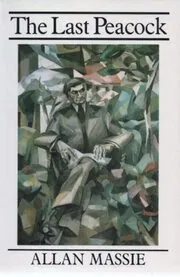
The Last Peacock
by Allan Massie
1980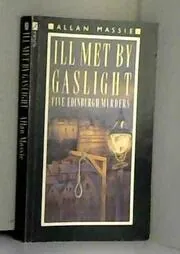
Ill Met By Gaslight
by Allan Massie
1981
The Death of Men
by Allan Massie
1981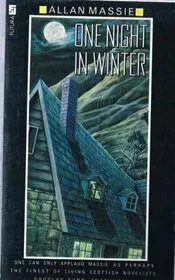
One Night in Winter
by Allan Massie
1984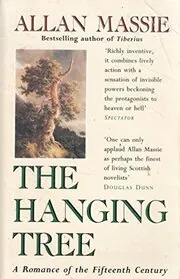
The Hanging Tree
by Allan Massie
1990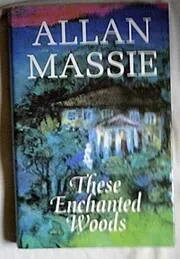
These Enchanted Woods
by Allan Massie
1993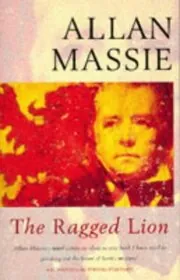
The Ragged Lion
by Allan Massie
1994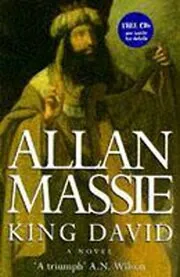
King David
by Allan Massie
1995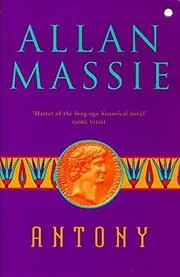
Antony
by Allan Massie
1997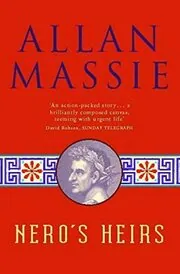
Nero's Heirs
by Allan Massie
1999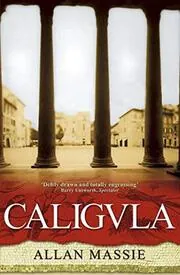
Caligula
by Allan Massie
2003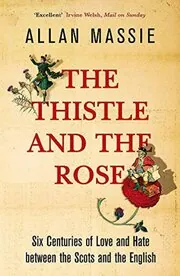
The Thistle and the Rose
by Allan Massie
2005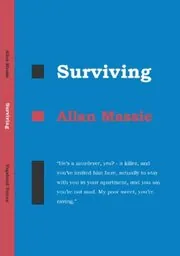
Surviving
by Allan Massie
2009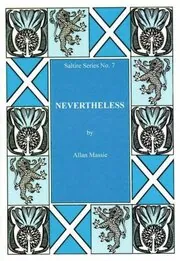
Nevertheless
by Allan Massie
2014
Author bio
Allan Massie was born in Singapore on 16 October 1938, where his father worked as a rubber planter, but Scotland was the place that shaped him. He grew up in Aberdeenshire, was educated at Drumtochty Castle School and Glenalmond College, and then read history at Trinity College, Cambridge.
Before he became widely known as a novelist, he spent years teaching. He taught at Drumtochty Castle School through the 1960s, and later moved to Rome, where he taught English as a foreign language in the early 1970s.
Rome mattered.
It gave him a feel for power, ruins, politics, and the way the distant past can still feel uncomfortably alive. You can see that clearly in books like Augustus, Tiberius, Caesar, and Caligula, where ancient rulers speak in voices that feel intimate, tired, proud, wary, and recognisably human.
He did not stay in one lane for long. Alongside the novels, he became one of Scotland's best-known journalists and critics, writing for decades about books, politics, public life, and rugby. He reviewed fiction for The Scotsman for roughly fifty years and also wrote columns for several major newspapers in Scotland and London.
As a novelist, he moved easily between very different kinds of story. The Last Peacock and These Enchanted Woods look hard at class, family, and fading confidence in Scotland's old social world. A Question Of Loyalties, The Sins of the Father, and Shadows of Empire turn to twentieth-century Europe, where private love and family history are tangled up with collaboration, guilt, and political collapse. Then the Bordeaux novels, beginning with Death in Bordeaux, take those same moral questions and work them through the shape of a wartime crime series.
He also loved the long reach of myth and legend.
That side of his writing shows in The Evening of the World, Arthur the King, and Charlemagne and Roland, books that sit somewhere between historical fiction and old romance, but are written with a very modern interest in motive, doubt, and the cost of authority. Even when he was writing about emperors, kings, or legendary heroes, he kept bringing them back to ordinary human weaknesses.
His nonfiction had the same range and curiosity. He wrote on the Stuarts, Byron, Colette, Muriel Spark, Scottish cultural identity, Edinburgh, Glasgow, and rugby. That list tells you something useful about him. He was interested in history, but even more interested in character, in how people behave under pressure, and in what nations and families choose to remember.
Recognition came steadily rather than noisily. The Last Peacock won the Frederick Niven Literary Award, The Death of Men won a Scottish Arts Council Book Award, and he was appointed CBE in 2013 for services to literature.
For many years he lived in Selkirk in the Scottish Borders, and that landscape stayed close to both his work and his public voice. He retired from reviewing in January 2026 after announcing that he had cancer, and he died in Selkirk on 3 February 2026, aged 87.
What holds his books together is a steady fascination with loyalty, ambition, place, and the stories people tell themselves in order to go on living. He wrote about emperors, kings, policemen, critics, exiles, and Border families, but he kept returning to the same hard question. What does duty look like when the world has gone crooked?
Edited by
Software engineer whose passion for tracking book recommendations from podcasts inspired the creation of MRB.
Lead investor at 3one4 Capital whose startup expertise and love for books helped shaped MRB and its growth.
Comments
Did we miss something? Have feedback?
Help us improve this page by sharing your thoughts