
Alan Garner Books in Order
Browse Alan Garner books in order, with short summaries, series guides, folklore collections, and straightforward advice on where to start reading.
Last updated:
As an Amazon Associate, we earn from qualifying purchases (at no extra cost to you).
Alan Garner books in publication order
30 books
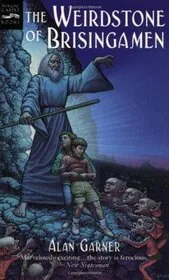
The Weirdstone of Brisingamen
by Alan Garner
1960
Staying near Alderley Edge, Susan and Colin discover that a family bracelet is actually a lost jewel guarded by ancient forces. Goblins, witches, dwarves, and the wizard Cadellin pull them into a classic quest across hill, wood, and mine.
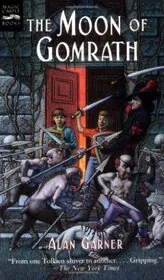
The Moon of Gomrath
by Alan Garner
1963
Colin and Susan are drawn back into the wild powers around Alderley Edge when Susan's bracelet, and Susan herself, become tied to older magic. The sequel is stranger and darker than Weirdstone, with the Wild Hunt close behind.
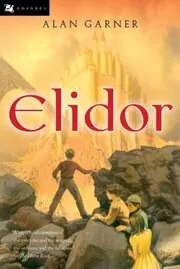
Elidor
by Alan Garner
1965
Four children from Manchester step through a ruined church into a fading other world and are asked to guard its treasures. When that danger follows them home, the ordinary city becomes the battleground.
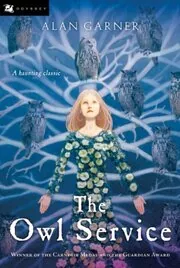
The Owl Service
by Alan Garner
1967
In a Welsh valley, three teenagers find strange flower patterns that seem to wake an old story of love, jealousy, and violence. Garner turns myth into a tense modern haunting, with class and family pressure tightening every scene.

Red Shift
by Alan Garner
1973
Three stories, Roman Britain, the English Civil War, and the modern day, circle the same Cheshire landscape and the same stone axe head. This is one of Garner's most intense books, about love, violence, time, and minds under strain.
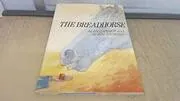
The Breadhorse
by Alan Garner
1975
What starts as a rough children's game becomes a sharp story about play, humiliation, and the thin line between fun and bullying. Garner catches the moods of the playground with unusual seriousness.

The Guizer
by Alan Garner
1975
Garner gathers fool and trickster tales from many traditions and groups them by the changing shapes of the fool figure. It is a lively, wide-ranging collection for readers who like folklore with bite and mischief.

The Stone Book
by Alan Garner
1976
Mary asks her stonemason father for a book and is led instead into the deeper meanings of stone, craft, and family memory. It is a tiny story with enormous depth, rooted in work, place, and what can be read without words.
Granny Reardun
by Alan Garner
1977
On his last day of school, Joseph has to decide whether he will follow the family stonemasons or choose a different craft. The story is quiet but tense, built around work, class, and one boy's first real act of independence.

Tom Fobble's Day
by Alan Garner
1977
Set in the war years, this final Stone Book story follows a winter day shaped by family memory, village life, and the shadow of conflict overhead. Garner makes ordinary sights carry the force of an ending and a beginning at once.
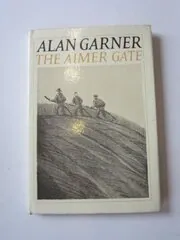
The Aimer Gate
by Alan Garner
1978
Robert spends a harvest day among men cutting corn the old way, watching work, skill, and family ties take shape around him. In a very small space, Garner shows how a child begins to see the weight of a trade and a place.

Fairytales of Gold
by Alan Garner
1979
Four richly colored fairy tales make up this illustrated collection, each built around transformations, pursuit, danger, and luck. These are compact storybook adventures, but they still carry the old fairy-tale sense that anything can change in a moment.

Girl of the Golden Gate
by Alan Garner
1979
A young girl caught in danger has to rely on courage, quick thinking, and a little magic to stay ahead of pursuit. Garner gives the old chase-tale pattern speed and clarity, with just enough wonder to keep it glinting.
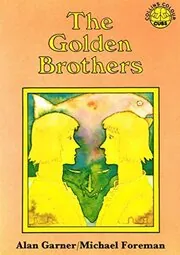
The Golden Brothers
by Alan Garner
1979
After a strange gift changes a poor family's luck, two brothers born under a golden sign are pulled into adventure, jealousy, and enchantment. Garner tells it as a compact fairy tale where fortune can turn as quickly as a spell.
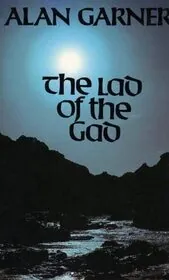
The Lad of the Gad
by Alan Garner
1980
This short collection reworks five tales from the Gaelic layers of British folklore. The stories are rough-edged, funny, eerie, and sometimes baffling, which is part of the point: Garner lets them keep their old strangeness.
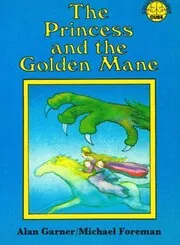
Princess and the Golden Mane
by Alan Garner
1981
A princess secretly weds a stableboy, and a golden-maned horse becomes the key to escape when power turns cruel. Garner retells the tale as a fast-moving chase story, full of disguises, peril, and quick-witted survival.

Alan Garner's Book of British Fairy Tales
by Alan Garner
1984
Garner selects and retells fairy tales from across Britain, keeping their odd turns, hard bargains, and flashes of dark humor. It is a strong gateway into the older story world that shaped so much of his fiction.

A Bag of Moonshine
by Alan Garner
1986
This collection brings together English and Welsh folk tales full of trickery, magic, sharp endings, and country wit. Garner tells them plainly but musically, so the stories still feel like something heard rather than polished.
Jack and the Beanstalk
by Alan Garner
1992
Garner's version keeps the famous bargain, the climb into the clouds, and the giant's treasure, but tells them with a leaner, older folk-tale feel. It is a brisk retelling that remembers the story's danger as well as its fun.
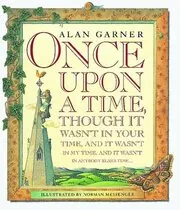
Once Upon a Time
by Alan Garner
1993
Three nursery tales sit inside this picture book, each simple on the surface and a little odd underneath. Garner gives familiar story shapes fresh rhythm, making them feel old, alive, and ready to be told aloud.
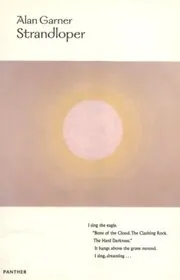
Strandloper
by Alan Garner
1996
Loosely based on William Buckley, this novel follows a Cheshire laborer whose visions and troubles lead from England to transportation in Australia and life among Aboriginal people. It is part historical fiction, part spiritual journey, and very much a book about exile.
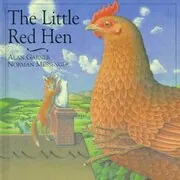
The Little Red Hen
by Alan Garner
1997
Garner retells the old barnyard story with his usual clean, rhythmic touch. A hardworking hen asks for help planting, grinding, and baking, and the answer she gets makes the lesson about labor and fairness land with real force.

Grey Wolf, Prince Jack and the Firebird
by Alan Garner
1998
When a firebird starts stealing golden apples, Prince Jack sets out to catch the thief and finds a sharp-toothed ally in Grey Wolf. Garner reshapes a Russian folktale into a swift quest full of bargains, escapes, and reversals.

The Voice That Thunders
by Alan Garner
1998
This collection gathers Garner's essays and lectures on writing, myth, language, education, and his own life. It is the best place to hear him think on the page, sometimes bluntly, sometimes movingly, always with precision.
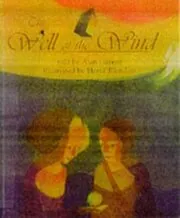
The Well of the Wind
by Alan Garner
1998
A brother and sister set out through a fairy-tale landscape after a witch sends the boy on impossible errands. Garner keeps the story spare and dreamlike as danger, cunning, and luck carry them toward the well of the title.
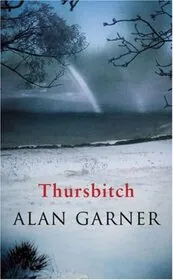
Thursbitch
by Alan Garner
2003
In a Pennine valley, an old inscription about a death on the moor links an eighteenth-century porter with a modern man drawn to the same harsh ground. Garner turns landscape, folklore, and survival into a tough, haunting mystery.

Collected Folk Tales
by Alan Garner
2011
This later volume gathers Garner's retellings into one place, offering a broad run of British folk tales in his spare, exact voice. It is a great sampler of the stories, themes, and speech patterns behind the rest of his work.

Where Shall We Run To?
by Alan Garner
2011
Garner's memoir returns to his wartime childhood on Alderley Edge, with village school, illness, family talk, and the arrival of American soldiers. It is less a straight chronology than a vivid map of the place that fed his fiction.

Boneland
by Alan Garner
2012
Colin from the Alderley books is now an adult astronomer near Jodrell Bank, living with gaps in his memory and the ache of a missing sister. As therapy and deep history start to meet, the old legends of the Edge return in a darker form.

Treacle Walker
by Alan Garner
2021
Young Joe Coppock, stuck at home with a weak eye and his comics, strikes an odd bargain with a rag-and-bone man. What follows is a brief, strange fable about seeing differently and stepping sideways out of ordinary time.
Where to start with Alan Garner
For classic myth-soaked adventure: The Weirdstone of Brisingamen → The Moon of Gomrath → Boneland
For a tense modern myth: The Owl Service → Red Shift
For family history and place: The Stone Book → Granny Reardun → The Aimer Gate → Tom Fobble's Day
For later, stranger Garner: Strandloper → Thursbitch → Treacle Walker
For folk-tale retellings: Alan Garner's Book of British Fairy Tales → A Bag of Moonshine → Collected Folk Tales
Alan Garner sub-series and character series
The Stone Book Quartet books in order
Explore this seriesThe Stone Book Quartet books in chronological order
Alan Garner collections, short stories, and related book types
Chapbooks
Picture Books
Collections
Non-Fiction
Standalone Alan Garner books
Author bio
Alan Garner was born in Congleton, Cheshire, in 1934, and grew up nearby at Alderley Edge. His family had been tied to that part of Cheshire for generations, and the place, its woods, quarries, lanes, and old stories, sank deep into his imagination. Almost everything he later wrote kept circling back to that ground.
He spent much of his youth on the wooded rise known simply as the Edge. Family stories about a sleeping king, a hidden army, and a wizard under the hill were not museum pieces to him. They were part of local weather, something you grew up with.
For Garner, landscape was never backdrop.
He came from a working-class family of craftsmen and was the first of his people to make it to Manchester Grammar School and then Magdalen College, Oxford. He went up to read classics, but left university without a degree when writing pulled harder than academic life. Back in Cheshire, he settled at Toad Hall in Blackden, a house where he would live, work, and finish book after book.
He finished The Weirdstone of Brisingamen there, and it was published in 1960. That book, and its sequel The Moon of Gomrath, turn Alderley Edge into a place where family legend, sleeping warriors, wizards, and real footpaths all meet. Readers still come to them for the feeling that magic has been tucked inside ordinary country life.
He did not stay in the same lane for long.
In Elidor, four children carry the troubles of another world back into Manchester. The Owl Service, which won the Carnegie Medal and the Guardian Children's Fiction Prize, brings Welsh myth into a tense modern household. Red Shift is harsher and more broken on the page, linking lives across Roman Britain, the English Civil War, and the present. What readers often love in all three is the way Garner makes myth feel local, immediate, and a bit dangerous.
He later turned inward with The Stone Book Quartet, drawing on four generations of his own family and the working skills of stonemasons, smiths, and farm people. Books like Strandloper and Thursbitch kept pushing into history, memory, and difficult old speech. Boneland returned to the world of Colin and Susan from the early books, but in a darker, adult key. Much later, Treacle Walker was shortlisted for the Booker Prize in 2022, proof that Garner was still writing short, strange books that refuse to sit still.
Certain things keep returning in his work: children under pressure, ancient stories hiding inside daily life, the pull of deep time, and the feel of skilled hands making something solid. He cares about dialect, silence, and the weight of particular objects, a stone axe, a bracelet, a carved mark, a tool passed from one person to another. He rarely explains too much. He trusts the reader to hear the echo.
He has spent much of his adult life in Blackden, near Jodrell Bank, with his wife Griselda. He also helped shape the Blackden Trust, which cares for the historic buildings and landscape around his home. His memoir Where Shall We Run To? goes back to wartime childhood, which feels right: in Garner's work, the beginning is never really over.









Edited by
Software engineer whose passion for tracking book recommendations from podcasts inspired the creation of MRB.
Lead investor at 3one4 Capital whose startup expertise and love for books helped shape MRB and its growth.
Comments
Did we miss something? Have feedback?
Help us improve this page by sharing your thoughts