
Abdulrazak Gurnah Books in Order
Explore Abdulrazak Gurnah's books in order, with quick summaries, author background, and clear where-to-start advice for new and returning readers.
Last updated:
As an Amazon Associate, we earn from qualifying purchases (at no extra cost to you).
Abdulrazak Gurnah books in publication order
11 books
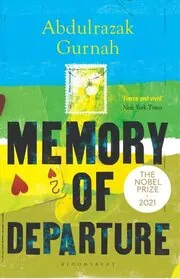
Memory of Departure
by Abdulrazak Gurnah
1987
Hassan Omar wants a way out of the poverty and violence that have warped his family. A trip to Nairobi, and to a wealthy uncle he hopes will help, brings him instead into a harsher world of humiliation, secrets, and dashed hopes.
Pilgrim's Way
by Abdulrazak Gurnah
1988
After political turmoil drives him from Tanzania, Daud tries to survive racism, loneliness, and bad work in England. A new relationship pushes him to tell the story he has long buried, and to rethink what exile has made of him.
Dottie
by Abdulrazak Gurnah
1990
Dottie Badoura Fatma Balfour grows up in 1950s England with little sense of where her family comes from and too much responsibility too soon. As she cares for her siblings, she slowly pieces together a history that might help her claim a life of her own.
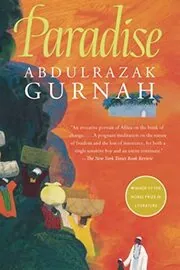
Paradise
by Abdulrazak Gurnah
1994
Twelve-year-old Yusuf is handed over to a wealthy merchant to settle his father's debt and drawn into a wider East African world of trade, danger, and desire. His coming-of-age unfolds as colonial violence closes in.
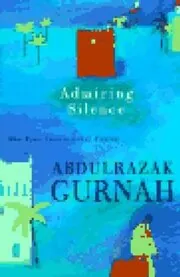
Admiring Silence
by Abdulrazak Gurnah
1996
An unnamed man leaves Zanzibar for England and builds a new life on stories that are not quite true. When he finally returns home after twenty years, the gap between invention and reality becomes impossible to ignore.
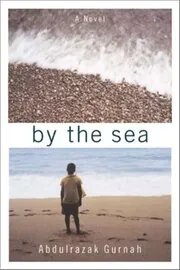
By the Sea
by Abdulrazak Gurnah
2001
Saleh Omar arrives in England from Zanzibar with a small box of incense and almost no words. His past soon collides with Latif Mahmud's, turning an asylum story into a tense reckoning with betrayal, memory, and home.
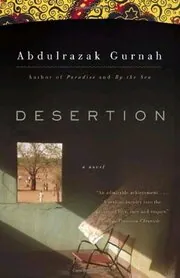
Desertion
by Abdulrazak Gurnah
2005
On the East African coast in 1899, an Englishman is rescued by a local shopkeeper and falls in love with the shopkeeper's sister, Rehana. That relationship echoes across generations, linking desire, memory, and the bruising history of empire.
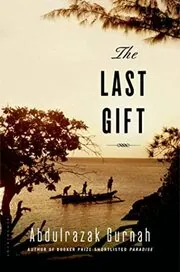
The Last Gift
by Abdulrazak Gurnah
2011
When Abbas collapses and loses the power of speech, the life he has kept hidden begins to press in on his wife and adult children. A quiet family novel about secrets, migration, and the meaning of home.
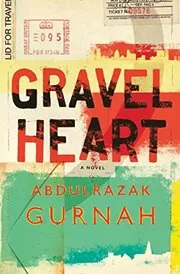
Gravel Heart
by Abdulrazak Gurnah
2017
Salim grows up in Zanzibar in a house thick with silence, shame, and half-told stories. When he leaves for London, the distance only deepens the mystery, until he is forced to face the betrayals at the center of his family.
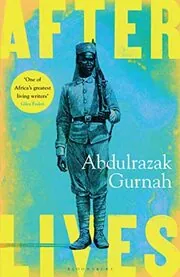
Afterlives
by Abdulrazak Gurnah
2020
In German-ruled East Africa, Ilyas and Hamza return from war carrying different wounds, while Afiya tries to build a life beyond loss. Their intertwined stories show how love, work, and family endure under the shadow of empire.

Theft
by Abdulrazak Gurnah
2025
In 1990s Zanzibar and Dar es Salaam, Karim, Fauzia, and Badar grow up with very different chances in life but become bound to one another. Friendship, false accusation, love, and betrayal test them as they try to make adult lives in a changing country.
Where to start with Abdulrazak Gurnah
If you want the breakthrough novel: Paradise → Afterlives
If you want stories of exile and reinvention: Admiring Silence → By the Sea → Gravel Heart
If you prefer family secrets and contemporary drama: The Last Gift → Gravel Heart → Theft
If you want to read from the beginning: Memory of Departure → Pilgrim's Way → Dottie
Standalone Abdulrazak Gurnah books
Author bio
Abdulrazak Gurnah was born on December 20, 1948, in Zanzibar and grew up on the island, a place shaped by trade, mixed cultures, and long colonial entanglements. That layered world, and the damage done to it, sits behind almost everything he writes.
At eighteen he left Zanzibar for England, after the revolution and the persecution that followed. He arrived young, poor, and far from home. For years he lived with the loneliness of exile while trying to make a life in a country that could be cold in more ways than one.
That dislocation became the engine of his fiction.
Gurnah has said that he began writing in England out of homesickness, alienation, and the need to think through what he had left behind. He started writing in English in his early twenties, even though Swahili was his first language. Reading, study, and writing gradually came together, and he went on to build an academic career, eventually becoming Professor of English and Postcolonial Literatures at the University of Kent in Canterbury, a post he held until his retirement in 2017.
His first novels already carried the concerns readers now connect with him. Memory of Departure follows a gifted young man trapped by poverty, family damage, and political disappointment. Pilgrim's Way and Dottie shift the focus toward migrant life in Britain, race, silence, and the hard work of building a self when the world keeps naming you first.
He writes about history, but he keeps bringing it back to kitchens, classrooms, shop counters, and family arguments.
For many readers, Paradise is the place to start. The novel, shortlisted for the Booker Prize, follows Yusuf, a boy pawned to a merchant to pay his father's debt, and turns his story into a wider picture of East Africa on the edge of colonial takeover. By the Sea and Admiring Silence stay close to exile, memory, and self-invention, especially the stories people tell to protect themselves. Desertion, The Last Gift, and Gravel Heart keep returning to love, betrayal, migration, and the secrets families carry for years.
His later work has not moved away from those questions. Afterlives looks at lives marked by German colonial rule and war in East Africa, while Theft follows three young people coming of age in the 1990s and discovering how class, friendship, and betrayal can shape a future. Readers often come for the history, then stay for the patient way he watches people misread one another, hide from one another, and still reach for connection.
In 2021 he won the Nobel Prize in Literature.
By then, the shape of his work was clear. Again and again, he writes about displacement, belonging, memory, and the aftereffects of empire, but he rarely lets those themes become slogans. His characters are clerks, students, shopkeepers, parents, lovers, and drifters. They worry about visas, money, shame, illness, inheritance, desire, and the stories told inside families.
He has long lived in Canterbury, and he has spoken about staying closely tied to Zanzibar and Tanzania. He was unable to return to Zanzibar until 1984, when he saw his father shortly before his death, a detail that gives extra weight to the losses and returns in his fiction. Home, in Gurnah's books, is never just one place.
















Edited by
Software engineer whose passion for tracking book recommendations from podcasts inspired the creation of MRB.
Lead investor at 3one4 Capital whose startup expertise and love for books helped shape MRB and its growth.
Comments
Did we miss something? Have feedback?
Help us improve this page by sharing your thoughts