
Umberto Eco Books in Order
See Umberto Eco's books in order, with brief summaries, series background, and guidance on where to start with his novels, essays, and children's stories.
Last updated:
As an Amazon Associate, we earn from qualifying purchases (at no extra cost to you).
Umberto Eco books in publication order
54 books
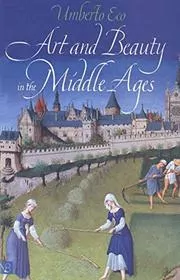
Art and Beauty in the Middle Ages
by Umberto Eco
1959
A short introduction to medieval aesthetics, explaining how thinkers from Augustine to Aquinas understood beauty, and how those ideas shaped Gothic architecture, illuminated manuscripts, and other arts.
The Open Work
by Umberto Eco
1962
Eco's early classic on modern art and music, arguing that many contemporary works are open structures that require active completion by their audience rather than delivering a single fixed meaning.

Misreadings
by Umberto Eco
1963
A collection of satirical pieces and literary parodies in which Eco playfully rewrites classics, academic jargon, and media clichés, exposing the quirks of critics, ideologues, and fashionable theories.
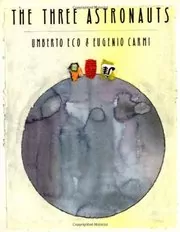
The Three Astronauts
by Umberto Eco
1966
In this picture book, an American, a Russian, and a Chinese astronaut land on Mars, first mistrusting one another and then a local Martian, before learning empathy and cooperation across cultures and species.
Travels in Hyperreality
by Umberto Eco
1973
Essays on American and European popular culture that probe replicas, wax museums, themed environments, and political spectacle, coining hyperreality to describe spaces where imitations feel more persuasive than reality.
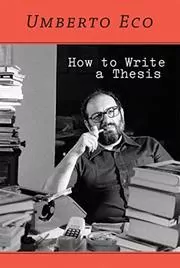
How to Write a Thesis
by Umberto Eco
1977
A practical, often humorous guide for students on choosing a topic, planning research, taking notes, organizing sources, and surviving the long haul of writing an academic thesis.
A Theory of Semiotics
by Umberto Eco
1978
Eco's foundational treatise on semiotics, outlining a general theory of signs, sign production, and communication that has shaped later work in linguistics, cultural studies, and philosophy.
The Role of the Reader
by Umberto Eco
1979
Eco explores how texts anticipate a model reader, contrasting open works that invite many paths of interpretation with closed ones that tightly control responses, and illustrating his ideas with examples from fiction and popular culture.

Postscript to the Name of the Rose
by Umberto Eco
1983
A brief companion to the novel in which Eco explains how and why he wrote The Name of the Rose, from choosing its medieval setting to designing the library and shaping the book's famously intricate structure.
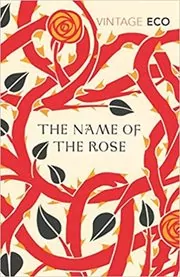
The Name of the Rose
by Umberto Eco
1983
In 1327, Franciscan friar William of Baskerville and his novice Adso investigate a series of deaths in a remote Italian abbey, uncovering forbidden books, theological battles, and political intrigue in a dense, atmospheric mystery.
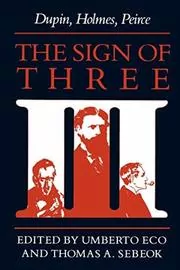
The Sign of Three
by Umberto Eco
1983
An edited volume on Sherlock Holmes, Charles Sanders Peirce, and the logic of abduction, gathering essays that use detective stories to illuminate how we form hypotheses and read clues.
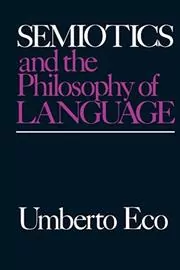
Semiotics and the Philosophy of Language
by Umberto Eco
1984
Eco brings together essays on linguistic signs, codes, and communication, proposing a broad semiotic framework that connects everyday speech, literature, and culture to philosophical questions about meaning.
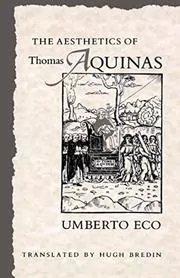
The Aesthetics of Thomas Aquinas
by Umberto Eco
1984
A study of Thomas Aquinas that reconstructs his scattered comments on beauty, showing how medieval theology linked aesthetic experience to ideas of clarity, harmony, and divine order.
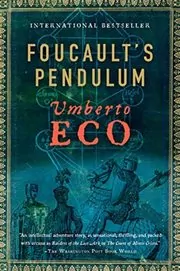
Foucault's Pendulum
by Umberto Eco
1988
Three editors at a vanity press invent an occult conspiracy as a game, linking the Knights Templar to every secret society they can imagine, only to see their fictional Plan taken deadly seriously by real fanatics.
Recommended by
1 person Patrick Collison recommended this book
Patrick Collison
Patrick Collison labeled this book "substantially above average."
Patrick Collison's recommendation of this book
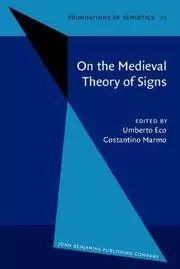
On The Medieval Theory Of Signs
by Umberto Eco
1989
Scholarly essays, many by Eco, on how medieval thinkers from Augustine to Ockham conceived of signs, language, and meaning, clarifying that there was no single medieval semiotic system but several competing ones.
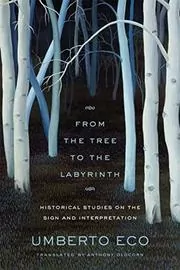
From the Tree to the Labyrinth
by Umberto Eco
1990
A dense collection of historical studies on signs and interpretation, tracing how Western thought moved from tidy tree like models of knowledge to more tangled, labyrinthine networks of meaning.
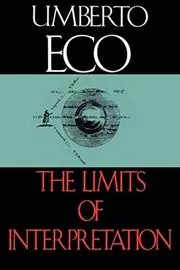
The Limits of Interpretation
by Umberto Eco
1990
A major theoretical volume that develops Eco's idea that not every reading is acceptable, analyzing cases from medieval exegesis to modern conspiracy theories to mark the boundary between critical insight and interpretive excess.
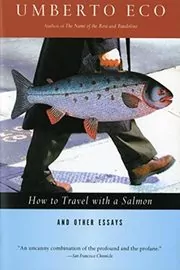
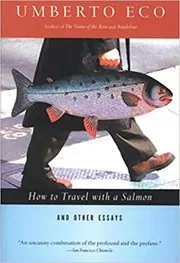
How to Travel with a Salmon & Other Essays
by Umberto Eco
1992
Short, witty pieces drawn from decades of occasional writing, mixing travel mishaps, observations on technology and bureaucracy, and reflections on everyday absurdities that reveal Eco's comic side.
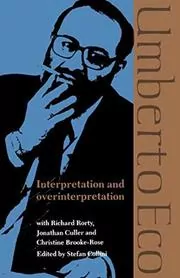
Interpretation and Overinterpretation
by Umberto Eco
1992
Eco's extended argument, with responses from other critics, about how far interpretation can go, insisting that while texts invite many readings there are limits beyond which interpretation becomes projection.
The Gnomes of Gnu
by Umberto Eco
1992
A whimsically illustrated children's tale in which the gnomes of planet Gnu confront environmental disaster brought by human greed, offering a playful but pointed fable about ecology and responsibility.
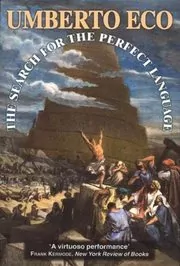
The Search for the Perfect Language
by Umberto Eco
1993
A historical study of European attempts to design an ideal or original language, from medieval theologians to Enlightenment philosophers and constructed tongues, asking why people keep dreaming of linguistic perfection.
Apocalypse Postponed
by Umberto Eco
1994
Collected essays from the 1960s to the 1980s in which Eco challenges cultural pessimists, defending popular media and arguing that television, comics, and mass entertainment can be studied seriously without apocalyptic dread.
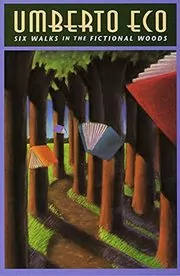
Six Walks in the Fictional Woods
by Umberto Eco
1994
Adapted from Harvard lectures, this book invites readers on six walks through fictional texts, from Nerval and Fleming to Eco's own novels, to show how narratives guide and play with a model reader.
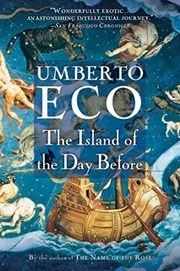
The Island of the Day Before
by Umberto Eco
1994
Stranded on an apparently deserted ship in the seventeenth century Pacific, nobleman Roberto della Griva broods over lost love, imaginary rivals, and schemes for measuring longitude, in a baroque tale steeped in science and metaphysics.
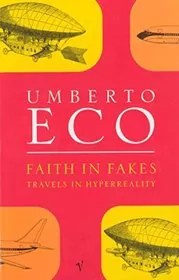
Faith in Fakes
by Umberto Eco
1995
A lively collection of essays on mass culture and hyperreality, exploring wax museums, theme parks, advertising, and political spectacle to show how modern societies often prefer convincing replicas to messy originals.
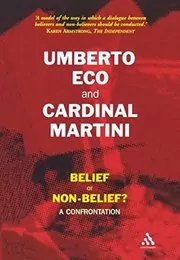
Belief or Non-Belief?
by Umberto Eco
1996
An exchange of letters between Eco and Cardinal Carlo Maria Martini, where a secular intellectual and a Catholic bishop debate topics such as apocalypse, bioethics, and violence, modeling respectful dialogue across a divide of faith.
Incontro
by Umberto Eco
1996
An essay originally delivered on receiving an honorary degree, printed in Italian, English, and French, in which Eco considers the relationship between universities and mass media and how scholarship reaches the wider public.
Five Moral Pieces
by Umberto Eco
1997
Five compact essays that address ethics in the contemporary world, including war, human rights, secularism, and the responsibilities of intellectuals, written in a direct, personal tone rather than academic jargon.
Kant and the Platypus
by Umberto Eco
1997
Eco uses cases like the arrival of the platypus in Europe to explore how humans perceive, name, and classify new things, blending philosophy, cognitive science, and semiotics into an accessible meditation on language and reality.
Recommended by
1 person Nassim Taleb recommended this book
Nassim Taleb
"I was taken aback by the combination of depth and the vividness of the style." - Nassim Taleb
Nassim Taleb's recommendation of this book
Conversations about the End of Time
by Umberto Eco
1998
In these dialogues with other thinkers, Eco discusses apocalyptic myths, scientific visions of time, and humanity's recurring urge to imagine an absolute ending, balancing philosophical reflection with stories drawn from history and culture.
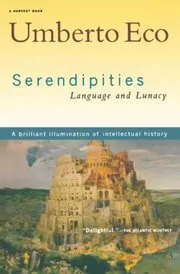
Serendipities
by Umberto Eco
1998
Essays on language and lunacy that trace how mistaken ideas about languages, maps, and origins sometimes lead, by accident, to genuine discoveries, illustrating Eco's fascination with error, forgery, and fruitful misunderstanding.
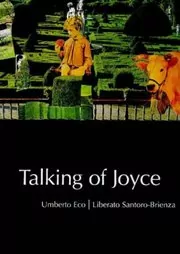
Talking of Joyce
by Umberto Eco
1998
A short volume, co written with Liberato Santoro Brienza, in which Eco reflects on James Joyce's style, structure, and influence, drawing connections between the Irish modernist and his own interests in language and labyrinths.
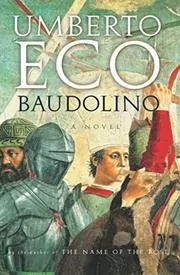
Baudolino
by Umberto Eco
2000
Set during the twelfth century, the novel follows Baudolino, an imaginative peasant adopted by Emperor Frederick Barbarossa, whose tall tales carry readers from imperial politics to the quest for the legendary kingdom of Prester John.
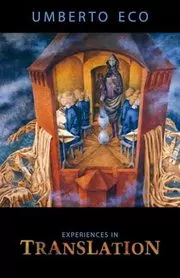
Experiences in Translation
by Umberto Eco
2001
Based on lectures, this slim volume mixes theory and anecdote as Eco examines how meaning shifts in translation, drawing on his experience as both translator and translated author to show translation as a creative, interpretive act.
On Literature
by Umberto Eco
2002
In this essay collection, Eco writes about Dante, Joyce, Borges, Ptolemy, and more, reflecting on what literature does, how it is read, and how his own fiction grows out of a lifetime of critical thinking.
Mouse or Rat?
by Umberto Eco
2003
Eco uses famous translation puzzles, from Shakespeare to Camus, to argue that translating is less about substituting words than about negotiating between cultures, styles, and readers' expectations.
History of Beauty
by Umberto Eco
2004
An illustrated survey of Western ideas of beauty, from classical proportion to the sublime and modern art, in which Eco combines short essays, quotations, and images to show how each era remakes the ideal of the beautiful.
On Beauty
by Umberto Eco
2004
A compact exploration of many of the same themes as History of Beauty, presenting key texts and artworks that reveal how philosophers and artists have defined and challenged notions of beauty over time.
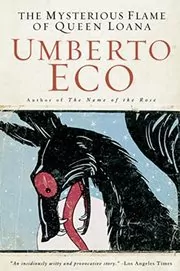
The Mysterious Flame of Queen Loana
by Umberto Eco
2004
After a stroke leaves antiquarian bookseller Yambo without personal memories, he returns to his childhood home and sifts through comics, records, and clippings, trying to recover his past and the face of a long lost love.
Turning Back the Clock
by Umberto Eco
2006
Collected newspaper essays from the early 2000s in which Eco dissects hot wars, media populism, conspiracy theories, and cultural nostalgia, asking whether history is moving forward or sliding into old patterns in new guises.
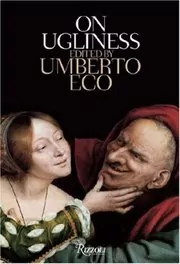
On Ugliness
by Umberto Eco
2007
A lavish companion to History of Beauty, this volume traces changing ideas of ugliness in Western culture, from demons and monsters to kitsch and camp, pairing Eco's commentary with artworks and literary excerpts.
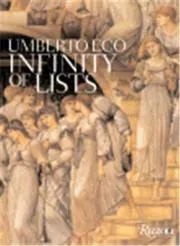
The Infinity of Lists
by Umberto Eco
2009
Eco uses paintings, literature, and short essays to examine humanity's obsession with lists, from catalogues of saints and monsters to modern inventories, treating enumeration as a way to confront excess, chaos, and the desire for the infinite.
This is Not the End of the Book
by Umberto Eco
2009
In a wide ranging conversation with screenwriter Jean Claude Carrière, Eco reflects on the past and future of books, from scrolls to ebooks, arguing that the codex remains a remarkably resilient technology for storing human memory.
The Prague Cemetery
by Umberto Eco
2010
This dark historical novel traces forger and spy Simone Simonini as he crosses nineteenth century Europe, weaving together plots, police files, and pulp fiction to help create the notorious Protocols of the Elders of Zion.
The Story of the Betrothed
by Umberto Eco
2010
A brisk retelling of Manzoni's classic The Betrothed for younger readers, following peasant lovers Lorenzo and Lucia as war, famine, plague, and a predatory nobleman threaten their hope of marriage in seventeenth century Lombardy.
Confessions of a Young Novelist
by Umberto Eco
2011
Adapted from prestigious lectures, Eco looks back on how he became a novelist, explaining how he builds fictional worlds, designs plots, and thinks about readers, while probing the strange reality of invented characters and lists.
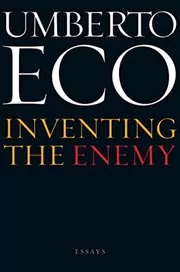
Inventing the Enemy
by Umberto Eco
2011
Eco gathers essays on subjects from nationalism and religious conflict to literary hoaxes, returning often to the idea that societies define themselves by creating enemies and fantasies about those who seem different.
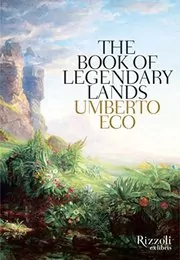
The Book of Legendary Lands
by Umberto Eco
2013
An opulent, image rich tour of imagined places such as Atlantis, El Dorado, and the Earthly Paradise, combining essays and artwork to show how mythical geographies have shaped belief, exploration, and storytelling through the centuries.
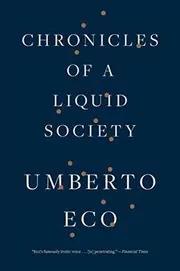
Chronicles of a Liquid Society
by Umberto Eco
2015
Drawn from Eco's newspaper columns, these brief pieces reflect on a fast changing liquid society, tackling technology, politics, manners, and everyday absurdities with a mix of skepticism, humor, and worry about fragile democratic values.
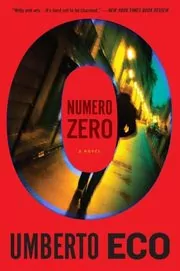
Numero Zero
by Umberto Eco
2015
Set in Milan in 1992, this short novel follows a team of down on their luck journalists hired to produce a newspaper that will never be printed, exposing tabloid tricks, conspiracy thinking, and the entanglement of media and power.
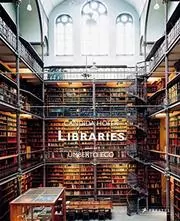
Libraries
by Umberto Eco
2019
An illustrated journey through some of the world's most beautiful libraries, introduced by Eco's affectionate essay on his lifelong love of books, reading rooms, and the quiet architecture of learning.
On the Shoulders of Giants
by Umberto Eco
2019
Based on public lectures, this collection ranges across beauty and ugliness, secrets, conspiracies, and cultural memory, showing how every new work of art stands on the shoulders of earlier thinkers and stories.
How to Spot a Fascist
by Umberto Eco
2020
Three timely essays, including Eco's classic piece on Ur Fascism, outline recurring traits of fascist movements, from cults of tradition to hatred of difference, and invite readers to recognize dangerous patterns in contemporary politics.
How to Travel with a Salmon
by Umberto Eco
Where to start with Umberto Eco
If you want a classic Eco experience: The Name of the Rose → Foucault's Pendulum → Baudolino.
If you enjoy conspiracy laden thrillers: Foucault's Pendulum → The Prague Cemetery → Numero Zero.
If you are curious about his ideas on signs and meaning: A Theory of Semiotics → The Role of the Reader → Kant and the Platypus.
If you want accessible essays and columns: Travels in Hyperreality → How to Travel with a Salmon & Other Essays → Chronicles of a Liquid Society → How to Spot a Fascist.
If you are choosing books for younger readers: The Three Astronauts → The Gnomes of Gnu → The Story of the Betrothed.
Umberto Eco collections, short stories, and related book types
Chapbooks
Collections
Non-Fiction
Standalone Umberto Eco books
Author bio
Umberto Eco was born on 5 January 1932 in Alessandria, a small city in the Piedmont region of northern Italy, where he grew up between wartime air raids and the routines of school and parish life. His father, Giulio, was an accountant drafted into several wars, and Eco later joked that the family name might come from a Latin phrase meaning 'a gift from the heavens'.
He attended a Salesian school, absorbed Catholic teaching, and devoured adventure stories, comics, and popular novels that would resurface, much later, in his fiction. After the war he studied medieval philosophy and literature at the University of Turin, writing a thesis on Thomas Aquinas, graduating in 1954, and gradually drifting away from religious belief while keeping a lifelong fascination with medieval thought and symbolism.
In the late 1950s Eco moved to Milan to work for the national broadcaster, helping to make cultural programs at a time when television was still a new medium. Around the same time he fell in with a group of experimental writers, artists, and musicians often grouped under the label Gruppo 63, whose mix of avant garde play and sharp politics confirmed his sense that high theory and mass culture could and should speak to one another.
University posts followed, and by the 1970s he was teaching semiotics full time, eventually becoming professor of semiotics at the University of Bologna and a visiting lecturer at institutions from Yale to Columbia. Books such as The Open Work, A Theory of Semiotics, The Role of the Reader, and Semiotics and the Philosophy of Language helped turn semiotics into a major field of study rather than a niche curiosity.
Then, in 1980, he surprised even his academic colleagues by publishing The Name of the Rose.
The novel, set in a fourteenth century monastery and built around a chain of unexplained deaths, let him smuggle medieval theology, philosophy, and debates about interpretation into a gripping detective story. It became an international bestseller, won major literary prizes, and was adapted into a film starring Sean Connery, suddenly making a professor in thick glasses a household name.
Eco followed it with other ambitious novels that played with history, conspiracy, and memory: Foucault's Pendulum, about editors who invent an occult 'Plan' that believers begin to take seriously; The Island of the Day Before, set on a seventeenth century ship near the line that separates today from tomorrow; Baudolino, a tall tale narrated by an irrepressible liar at the court of Frederick Barbarossa; The Mysterious Flame of Queen Loana, in which an amnesiac bookseller rebuilds his life from comics and magazines; The Prague Cemetery, about the forged Protocols of the Elders of Zion; and Numero Zero, a short, bitter satire of media manipulation in 1990s Italy.
Alongside the fiction he kept up a huge output of essays and columns. Collections such as Travels in Hyperreality, Faith in Fakes, How to Travel with a Salmon, Six Walks in the Fictional Woods, On Beauty, On Ugliness, The Infinity of Lists, The Book of Legendary Lands, Chronicles of a Liquid Society, and Kant and the Platypus move easily from theme parks and wax museums to Aquinas and Joyce. His famous essay on 'Ur Fascism' distilled childhood memories of Mussolini's regime into a list of recurring features of authoritarian politics that readers still quote today.
He also wrote for students and younger readers, from the practical manual How to Write a Thesis to playful children's books such as The Three Astronauts and The Gnomes of Gnu, and a retelling of The Betrothed that opens a cornerstone of Italian literature to a new audience. For years he contributed a short, wry column to an Italian weekly magazine, using small everyday irritations as starting points for reflections on culture, language, and technology.
In 1962 Eco married Renate Ramge, a German art teacher, and together they raised a son and a daughter in a Milan apartment famously lined with tens of thousands of books. He died in Milan on 19 February 2016, at the age of eighty four, after a struggle with pancreatic cancer, and is remembered as a writer who treated intelligence as a form of play, inviting readers into elaborate games of detection, allusion, and curiosity.




Edited by
Software engineer whose passion for tracking book recommendations from podcasts inspired the creation of MRB.
Lead investor at 3one4 Capital whose startup expertise and love for books helped shape MRB and its growth.
Comments
Did we miss something? Have feedback?
Help us improve this page by sharing your thoughts