
Mark Kurlansky Books in Order
Browse Mark Kurlansky's books in order, with quick summaries, series links, and tips on where to start with his food, history, and fiction titles.
Last updated:
As an Amazon Associate, we earn from qualifying purchases (at no extra cost to you).
Mark Kurlansky books in publication order
44 books
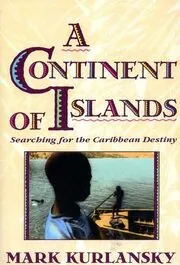
A Continent of Islands
by Mark Kurlansky
1992
Drawing on reporting and travel, Kurlansky surveys the Caribbean as more than a postcard paradise. He looks at politics, culture, tourism, religion, and history to ask how these islands live with outside pressure and their own deep differences.
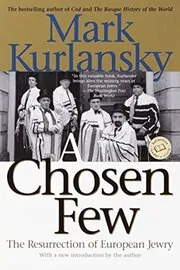
A Chosen Few
by Mark Kurlansky
1994
After the Holocaust, Jewish life in Europe seemed shattered. Kurlansky travels across the continent, talking to survivors and their families to explore why some stayed, how communities rebuilt, and what Jewish identity looked like in a changed Europe.
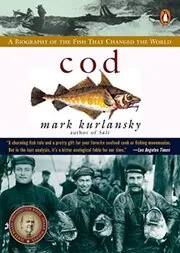
Cod
by Mark Kurlansky
1997
This is the story of a fish that helped drive exploration, trade, empire, and war. Kurlansky follows cod from medieval fisheries to modern collapse, showing how abundance turned into greed and how whole communities paid the price.
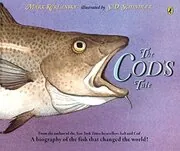
The Cod's Tale
by Mark Kurlansky
1997
Kurlansky retells the strange world history of cod for younger readers. Trade, exploration, fishing communities, and overfishing all come into focus through one fish that fed nations and helped shape the modern world.
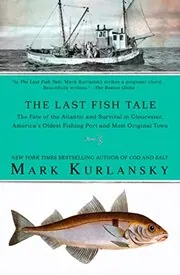
The Last Fish Tale
by Mark Kurlansky
1998
Gloucester, Massachusetts becomes Kurlansky's window onto the fading culture of Atlantic fishing. He blends local history, ecology, labor, and waterfront characters to show what is lost when a fishing town can no longer live by fish.
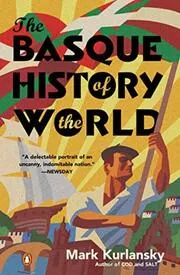
The Basque History of the World
by Mark Kurlansky
1999
Kurlansky uses Basque history to tell a larger story about language, identity, food, seafaring, and survival. It is a wide-ranging portrait of a people who have held onto a distinct culture between Spain and France.

The White Man in the Tree and Other Stories
by Mark Kurlansky
2000
These stories move between the Caribbean, New York, and Europe, where people keep misreading one another across lines of class, race, culture, and desire. The tone is often funny, but the misunderstandings can bite.
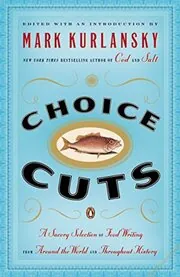
Choice Cuts
by Mark Kurlansky
2002
This anthology gathers memorable food writing from many places and periods. Essays, stories, and reflections sit side by side, making it a good place to browse the many ways people have written about eating, cooking, hunger, and pleasure.
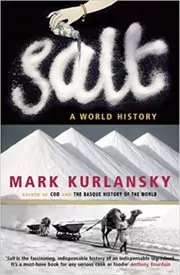
Salt
by Mark Kurlansky
2002
Kurlansky turns a common seasoning into a sweeping history of trade, labor, religion, and revolution. He shows how salt preserved food, built fortunes, and helped shape politics long before it became cheap enough to forget.
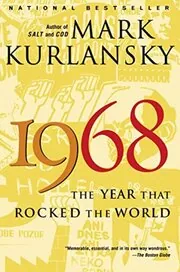
1968
by Mark Kurlansky
2003
Kurlansky follows one turbulent year across the world, from protest movements and assassinations to Prague, Paris, Chicago, and Vietnam. He makes 1968 feel global, connected, and full of unfinished arguments that still echo now.
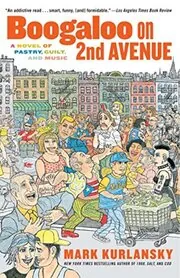
Boogaloo on 2nd Avenue
by Mark Kurlansky
2005
In the late 1980s Lower East Side, copy shop owner Nathan Seltzer moves through a neighborhood of bakers, dreamers, hustlers, and immigrants. Food, music, desire, and rising rents turn this comic novel into a portrait of a city block on the edge of change.
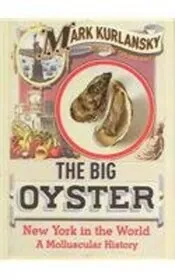
The Big Oyster
by Mark Kurlansky
2005
Kurlansky tells the story of New York City through its once vast oyster beds. It is part food history, part urban history, and part warning about how a booming city can ruin the waters that built it.
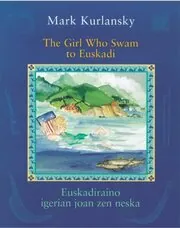
The Girl Who Swam to Euskadi
by Mark Kurlansky
2005
While practicing in Gloucester, a young girl swims so far she reaches Euskadi, the Basque Country. Her journey becomes a playful introduction to Basque landscapes, customs, and the bond between two rocky coasts across the Atlantic.
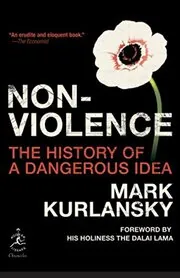
Nonviolence
by Mark Kurlansky
2006
This book traces the long and uneasy history of nonviolent action, from religious teachings to modern protest movements. Kurlansky asks why people distrust it, when it works, and what its past can teach a violent world.
The Story of Salt
by Mark Kurlansky
2006
This lively book for younger readers shows how salt shaped trade, cities, cooking, and war. Kurlansky turns an everyday ingredient into a sweeping history of how people preserved food, made money, and built empires.
The Food of a Younger Land: A Portrait of American Food
by Mark Kurlansky
2009
Using lost WPA files, Kurlansky reconstructs how Americans ate before highways, chain restaurants, and frozen food reshaped the map. The result is a rich, region by region portrait of local dishes, habits, and voices.
The Food of a Younger Land: The Far West Eats
by Mark Kurlansky
2009
Kurlansky gathers WPA writing on the Far West to show how landscape, distance, and migration shaped the table. The book captures a regional food culture that still felt local, seasonal, and rough edged.
The Food of a Younger Land: The Middle West Eats
by Mark Kurlansky
2009
This volume looks at Midwestern food before chain culture flattened local differences. Farm traditions, immigrant cooking, community meals, and regional specialties create a fuller picture of everyday eating.
The Food of a Younger Land: The Northeast Eats
by Mark Kurlansky
2009
This volume captures Northeastern food before the interstate era, from coastal habits to inland traditions. Kurlansky preserves the voices, dishes, and local rhythms that once made the region taste sharply itself.
The Food of a Younger Land: The South Eats
by Mark Kurlansky
2009
This regional volume draws on WPA material to show the South's older foodways in all their variety. Markets, home kitchens, local customs, and regional dishes reveal a food culture built long before national standardization.
The Food of a Younger Land: The Southwest Eats
by Mark Kurlansky
2009
Drawing from lost WPA files, this book explores Southwestern foodways shaped by desert climates, border cultures, and local ingredients. It is a snapshot of regional cooking before modern convenience made so much taste alike.

Edible Stories
by Mark Kurlansky
2010
In sixteen linked stories, food keeps bringing people together and pulling them apart. Kurlansky uses meals, cravings, and culinary obsessions to connect lovers, families, and strangers in a loose, witty chain of encounters.
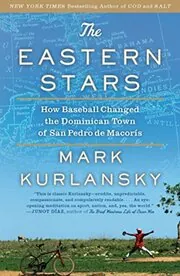
The Eastern Stars
by Mark Kurlansky
2010
In San Pedro de Macoris, baseball is not just a game but a path out. Kurlansky looks at the Dominican town that produced so many major leaguers, and at the dreams, money, pressure, and pride wrapped up in that pipeline.
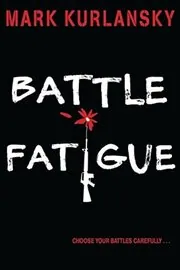
Battle Fatigue
by Mark Kurlansky
2011
Joel grows up surrounded by men scarred by World War II, then faces the Vietnam draft himself. As he declares himself a conscientious objector, he has to decide whether standing against war is an act of courage, betrayal, or both.

Hank Greenberg
by Mark Kurlansky
2011
Kurlansky tells the life of the Hall of Fame slugger who became a Jewish hero almost against his will. Baseball glory, antisemitism, wartime service, and public symbolism all shape this compact, thoughtful biography.
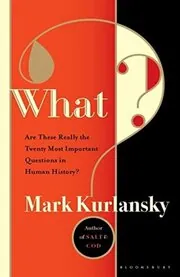
What? Are These the 20 Most Important Questions in Human History or Is This a Game of 20 Questions?
by Mark Kurlansky
2011
Built around twenty big questions, this book invites younger readers to think about history, belief, power, science, and everyday life. Kurlansky uses curiosity rather than lectures, making serious ideas feel open, playful, and worth arguing about.
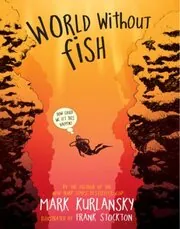
World Without Fish
by Mark Kurlansky
2011
Kurlansky explains what overfishing is doing to oceans, food chains, and the people who depend on them. Mixing facts, illustrations, and a call to action, he makes a huge environmental problem feel clear, urgent, and personal.
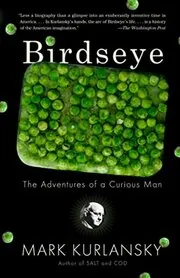
Birdseye
by Mark Kurlansky
2012
Clarence Birdseye was more than the frozen food man. Kurlansky follows his restless curiosity, from Labrador experiments to new inventions, and shows how one observant tinkerer changed what millions of people eat.
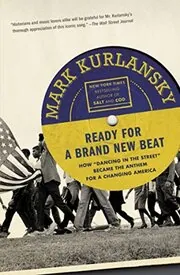
Ready for a Brand New Beat
by Mark Kurlansky
2013
Kurlansky starts with Dancing in the Street and follows how a pop song moved through Motown, civil rights, radio, and American unrest. It is part music history, part 1960s history, and part story of how meanings change.
Frozen in Time
by Mark Kurlansky
2014
This young readers edition tells the story of Clarence Birdseye, whose ideas changed how food was stored and sold. Kurlansky turns invention, business, and Arctic inspiration into an energetic biography for curious kids.
International Night
by Mark Kurlansky
2014
Mark and Talia Kurlansky share their family tradition of cooking meals from different countries at home. Part cookbook and part family travelogue, it is full of recipes, stories, and the pleasures of learning geography through dinner.

City Beasts
by Mark Kurlansky
2015
These stories explore what happens when animals press into human spaces and humans wander into theirs. Urban life becomes stranger and more revealing as Kurlansky shifts between comedy, unease, and small shocks of recognition.
Paper
by Mark Kurlansky
2016
From Chinese invention to printing presses and modern offices, Kurlansky follows how paper changed communication and culture. The book moves through art, religion, bureaucracy, and technology, showing how a simple material carries whole civilizations.
Havana
by Mark Kurlansky
2017
Kurlansky writes a vivid portrait of Havana as a city of beauty, decay, music, food, memory, and argument. Rather than a straight guidebook or history, it reads like a city biography shaped by streets, people, and mood.
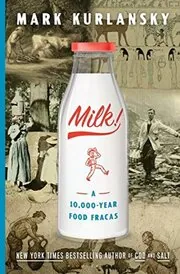
Milk!
by Mark Kurlansky
2018
Milk has fed babies, fueled arguments, enriched farmers, and divided health reformers for thousands of years. Kurlansky follows dairy through myth, science, politics, and kitchens, showing why this everyday food has always been controversial.
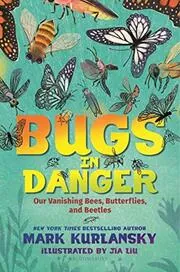
Bugs In Danger
by Mark Kurlansky
2019
Kurlansky introduces young readers to bees, butterflies, beetles, and other insects now under pressure. He explains why these bugs matter so much to ecosystems and food, and what their decline says about the world we are making.
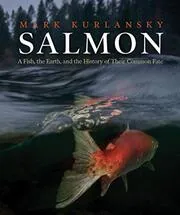
Salmon
by Mark Kurlansky
2020
Kurlansky traces the biology, history, and cultural pull of salmon, then follows the damage done by dams, industry, and climate change. The fish becomes a measure of how well, or badly, humans are treating land and water together.
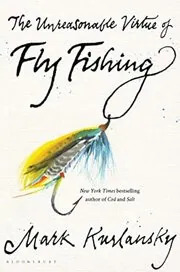
The Unreasonable Virtue of Fly Fishing
by Mark Kurlansky
2021
Part memoir, part history, and part meditation, this book asks why people choose such a difficult way to catch fish. Kurlansky writes about rivers, craft, patience, and the odd satisfactions of paying close attention.

Big Lies
by Mark Kurlansky
2022
Kurlansky looks at deception from animal behavior and ancient thinkers to propaganda, advertising, and social media. It is a brisk history of why people lie, why lies spread, and how hard they can be to dislodge.
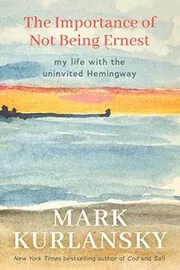
The Importance of Not Being Ernest
by Mark Kurlansky
2022
Kurlansky uses a lifetime of eerie Hemingway crossings to write a memoir that is also a sideways biography. Paris, Spain, Cuba, Idaho, and journalism all come together in a book about influence, imitation, and resisting both.

The Core of an Onion
by Mark Kurlansky
2023
Kurlansky peels back the onion's science, history, folklore, and place in kitchens around the world. It is both a cultural history and a recipe rich celebration of a humble ingredient that turns up almost everywhere.

Cheesecake
by Mark Kurlansky
2025
Set on Manhattan's Upper West Side from the 1970s on, this novel follows a Greek diner, an ancient cheesecake recipe, and a neighborhood being remade by money. Food, real estate, and local gossip turn one block into a whole social world.

The Boston Way
by Mark Kurlansky
2025
Kurlansky follows the Boston abolitionists who fought slavery through moral pressure and nonviolent action. Figures such as William Lloyd Garrison and Frederick Douglass appear in a story about reform, disagreement, and the limits of pacifism before the Civil War.

To Catch a Fish
by Mark Kurlansky
2026
In these essays, Kurlansky writes about the joy, frustration, mystery, and persistence that keep people fishing. Personal experience opens into larger thoughts about skill, obsession, water, and the human need to keep trying.
Where to start with Mark Kurlansky
If you want the classic Kurlansky entry point: Cod → Salt → The Big Oyster
If you like food history most: Salt → Milk! → The Core of an Onion
If oceans and the environment are your thing: Cod → The Last Fish Tale → Salmon → World Without Fish
If you want politics and big historical change: 1968 → Nonviolence → Havana
If you'd rather start with fiction: Boogaloo on 2nd Avenue → Edible Stories → Cheesecake
Mark Kurlansky sub-series and character series
The Food of a Younger Land books in order
Explore this series
The Food of a Younger Land: A Portrait of American Food
by Mark Kurlansky
2009The Food of a Younger Land, Book 1
The Food of a Younger Land: The Far West Eats
by Mark Kurlansky
2009The Food of a Younger Land, Book 3
The Food of a Younger Land: The Middle West Eats
by Mark Kurlansky
2009The Food of a Younger Land, Book 4
The Food of a Younger Land: The Northeast Eats
by Mark Kurlansky
2009The Food of a Younger Land, Book 6

The Food of a Younger Land: The Southwest Eats
by Mark Kurlansky
2009The Food of a Younger Land, Book 5
The Food of a Younger Land books in chronological order
The Food of a Younger Land: A Portrait of American Food
by Mark Kurlansky
2009The Food of a Younger Land, Book 1The Food of a Younger Land: The Far West Eats
by Mark Kurlansky
2009The Food of a Younger Land, Book 3The Food of a Younger Land: The Middle West Eats
by Mark Kurlansky
2009The Food of a Younger Land, Book 4The Food of a Younger Land: The Southwest Eats
by Mark Kurlansky
2009The Food of a Younger Land, Book 5The Food of a Younger Land: The Northeast Eats
by Mark Kurlansky
2009The Food of a Younger Land, Book 6
Mark Kurlansky collections, short stories, and related book types
Collections
Picture Books
Non-Fiction
Standalone Mark Kurlansky books
Author bio
Mark Kurlansky was born in Hartford, Connecticut, in 1948 and grew up in Connecticut. He studied theater at Butler University, graduating in 1970, which helps explain why even his histories tend to move like stories rather than lectures.
He did not begin as a history writer.
After college, he worked as a playwright in New York and took a long list of other jobs, including dock worker, commercial fisherman, cook, pastry chef, and paralegal. Those jobs were not side notes. They gave him an eye for working lives, food, tools, and the way knowledge moves outside classrooms. You can feel that background all through his books.
In the mid-1970s he turned to journalism. For years he worked as a foreign correspondent in Europe and the Caribbean for the International Herald Tribune, the Chicago Tribune, the Miami Herald, and the Philadelphia Inquirer. He also lived in Mexico and spent time in Paris, building the kind of first-hand knowledge that later fed so much of his nonfiction. Those reporting years left him with a lasting interest in ports, borderlands, and places outsiders tend to flatten into stereotypes.
His first book, A Continent of Islands, grew out of that reporting and looked at the Caribbean as a living, complicated region instead of a postcard. He followed it with A Chosen Few, about Jewish life in Europe after the Holocaust. Then came Cod, the book that changed his career. By following one fish through trade, empire, labor, food, and ecological collapse, he showed how a narrow subject could open into a very big story. The book won a James Beard Award and was translated into more than fifteen languages.
That became a Kurlansky pattern, though never quite a formula.
Readers who pick up Salt, The Big Oyster, Paper, Milk!, or The Core of an Onion usually find the same pleasure. He starts with something ordinary, a grain of salt, a shellfish, a sheet of paper, an onion, and keeps asking patient questions until it stops seeming ordinary at all. His books are full of cooks, fishers, merchants, inventors, neighborhoods, recipes, and odd facts, but they also keep circling back to power, work, trade, migration, and environmental damage. In The Last Fish Tale, World Without Fish, and Salmon, that concern becomes especially clear.
He has also ranged well beyond food history. 1968 follows one turbulent year across the world. Nonviolence traces the long history of an idea many people dismiss too quickly, and it won the 2007 Dayton Literary Peace Prize. In Havana and The Basque History of the World, he writes about places with the curiosity of a reporter and the affection of someone who has spent real time there. He has written fiction too, including Boogaloo on 2nd Avenue, Edible Stories, and Cheesecake, where food, neighborhoods, and eccentric communities matter just as much as plot. He has also written for younger readers, with books like Frozen in Time and The Story of Salt, and he teamed up with his daughter Talia Kurlansky on the cookbook International Night.
One reason readers stay with him is that he rarely writes from far above his subject. He notices how big history lands in kitchens, on docks, in markets, and in towns built around one trade. Even in The Importance of Not Being Ernest, his memoir about a lifetime of crossings with Hemingway, he is really writing about how a working writer absorbs places, jobs, heroes, and accidents. He lives in New York City, and after decades of writing he still seems drawn to the same question: what large story is hiding inside something people think they already understand?






Edited by
Software engineer whose passion for tracking book recommendations from podcasts inspired the creation of MRB.
Lead investor at 3one4 Capital whose startup expertise and love for books helped shape MRB and its growth.
Comments
Did we miss something? Have feedback?
Help us improve this page by sharing your thoughts