
Lonesome Dove Books in Order
Part ofLarry McMurtry Books in OrderThe Pulitzer Prize-winning Western saga by Larry McMurtry, following Texas Rangers Gus McCrae and Woodrow Call as they drive cattle—and history—across the frontier.
Last updated:
As an Amazon Associate, we earn from qualifying purchases (at no extra cost to you).
Lonesome Dove books in publication order
4 books
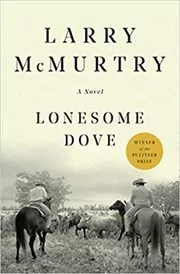
Lonesome Dove
by Larry McMurtry
1985
Two aging Texas Rangers, Gus McCrae and Woodrow Call, lead a cattle drive from the Rio Grande to Montana. An epic, Pulitzer Prize-winning saga of the American West that captures the beauty, brutality, and friendship of the frontier.
Recommended by
1 person Charles Koch recommended this book
Charles Koch
Charles Koch recommended this book on his website.
Charles Koch's recommendation of this book
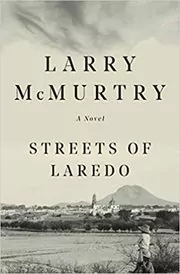
Streets of Laredo
by Larry McMurtry
1993
Years after the cattle drive, a legendary Texas Ranger is hired to hunt down a young Mexican bandit. The mission forces him to confront his own aging limitations and the harsh costs of a violent life.
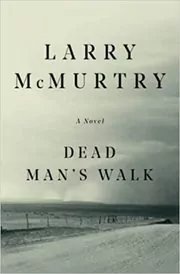
Dead Man's Walk
by Larry McMurtry
1995
A prequel following Gus and Call as young, inexperienced Rangers. They join a disastrous expedition to capture Santa Fe, facing the harsh landscape, starvation, and the terrifying Comanche war chief Buffalo Hump.
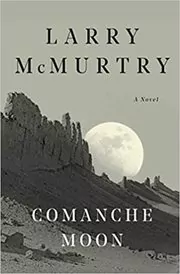
Comanche Moon
by Larry McMurtry
1997
Set in the years before *Lonesome Dove*, this novel sees Gus and Call in their prime as Rangers. They fight to defend the frontier line against Comanches while their personal lives become increasingly complicated.
Lonesome Dove books in chronological order
Series background & context
When Larry McMurtry decided to dismantle the myths of the Old West, he ironically ended up writing its definitive masterpiece. The "Lonesome Dove" tetralogy isn't just a collection of cowboy stories; it is a sweeping biography of the Texas frontier itself, told through the lives of two men who lived long enough to see their world disappear. Together, these four novels form a seamless narrative arc that moves from the raw, terrifying wildness of the 1840s to the fenced-in resignation of the turn of the century.
Everything hinges on the relationship between Augustus "Gus" McCrae and Woodrow F. Call. They are one of the most vividly realized odd couples in American literature. Gus is a lazy, talkative romantic who prizes a good biscuit and a Dutch oven filled with sourdough as much as he prizes his reputation. He drinks, he chases women, and he refuses to work a minute past what is necessary. Call is his polar opposite: a stoic, silent workaholic who treats rest like a moral failing. He leads by sheer force of will, incapable of admitting to fatigue or emotion. They bicker constantly, yet their bond is absolute.
The centerpiece of the saga is the Pulitzer Prize-winning Lonesome Dove. Here, Gus and Call are aging Rangers running the Hat Creek Cattle Company in a sleepy, dusty border town. When Call gets it in his head to drive a herd from the Rio Grande to the virgin pastures of Montana, they embark on a journey that is as foolish as it is heroic. McMurtry strips away the Hollywood varnish to show the job for what it really was: dangerous, dirty, and profoundly exhausting.
There are no white knights here, just tired men on tired horses trying to survive one more river crossing.
To understand how these men became legends, you have to look back at Dead Man’s Walk and Comanche Moon. These prequels take us into the deep past, where a young Gus and Call are just learning their trade. The landscape is deadlier, dominated by the Comanches and the harsh elements. We see them making mistakes, suffering losses, and hardening into the captains they would become. It is a brutal education in violence, showcasing a Texas that was still truly wild and largely unmapped.
The story concludes with Streets of Laredo, a novel that serves as a somber epilogue to the adventures that came before. Set years after the great drive, it explores the cost of a life spent in the saddle. The independent West is gone, replaced by railroads and lawmen, leaving the survivors of the Hat Creek crew to navigate a world that no longer needs them.
Across thousands of pages, the series functions as a long, heartbreaking goodbye. It captures the humor of men trying to stay sane in an insane environment, but it never shies away from the tragedy inherent in the frontier experience. It is an elegy for a specific time and place, anchored by a friendship that feels as permanent as the land itself.

Edited by
Software engineer whose passion for tracking book recommendations from podcasts inspired the creation of MRB.
Lead investor at 3one4 Capital whose startup expertise and love for books helped shape MRB and its growth.
Comments
Did we miss something? Have feedback?
Help us improve this page by sharing your thoughts