
Lisa See Books in Order
Explore Lisa See’s books in order with reading guides, short summaries, series background, and suggestions on where to start with her historical novels.
Last updated:
As an Amazon Associate, we earn from qualifying purchases (at no extra cost to you).
Lisa See books in publication order
14 books
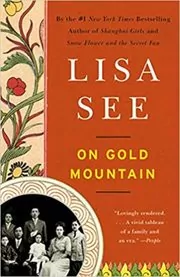
On Gold Mountain
by Lisa See
1995
On Gold Mountain tells the one‑hundred‑year story of Lisa See’s Chinese American family, following her great‑grandfather Fong See and his American wife Ticie from Guangdong to California as they build businesses, raise children, and face exclusion, racism, and changing ideas of home.
Flower Net
by Lisa See
1997
In Flower Net, Chinese inspector Liu Hulan and U.S. attorney David Stark are forced into an uneasy partnership when the sons of an American ambassador and a Chinese tycoon are murdered, drawing them into Beijing’s power circles, human‑smuggling rings, and a dangerous cross‑border conspiracy.
The Interior
by Lisa See
1999
The Interior sends Hulan back to her home village and undercover in a factory where young women assemble toys for export, while David represents the foreign company planning a takeover, pitting their loyalties against each other as they probe a worker’s suspicious death.
Dragon Bones
by Lisa See
2002
In Dragon Bones, Hulan and David, grieving parents whose marriage is under strain, travel to an archaeological dig near the rising Three Gorges Dam to investigate an American’s death, stolen relics, and a shadowy religious group that may turn protest into violence.
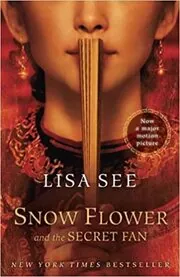
Snow Flower and the Secret Fan
by Lisa See
2005
Snow Flower and the Secret Fan follows Lily, a woman in nineteenth‑century rural China, as she looks back on her laotong bond with Snow Flower, the friend who shared footbinding, marriage, and a secret women’s script until misunderstandings threaten their lifelong loyalty.
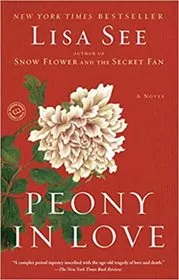
Peony in Love
by Lisa See
2007
Peony in Love centers on a sheltered young woman in seventeenth‑century China whose obsession with the opera The Peony Pavilion and a secret romance leads to an early death, after which she narrates as a restless spirit shaping the fates of the women who follow her.
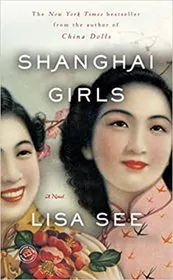
Shanghai Girls
by Lisa See
2009
Shanghai Girls begins in 1937 with sisters Pearl and May, glamorous advertising models in Shanghai, whose father’s debts and the Japanese invasion force them into arranged marriages and a harrowing journey to Los Angeles, where they must rebuild their lives amid prejudice and family secrets.
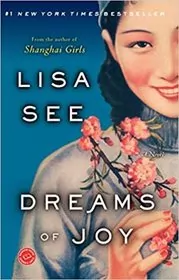
Dreams of Joy
by Lisa See
2011
Dreams of Joy continues the story when nineteen‑year‑old Joy, shaken by family revelations, flees Los Angeles in 1957 to find her birth father in Shanghai and embrace communist ideals, while her mother Pearl follows into Mao’s China determined to bring her daughter safely home.
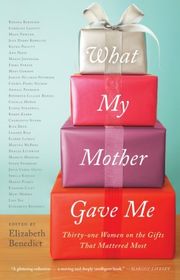
What My Mother Gave Me
by Elizabeth Benedict & Lisa See
2013
Edited by Elizabeth Benedict, this collection brings together thirty-one essays about meaningful gifts mothers gave their daughters. The pieces consider objects, encouragement, habits, and inherited ways of seeing, with Lisa See writing about the gift of writing from her mother, Carolyn See.
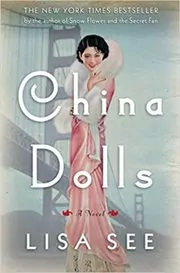
China Dolls
by Lisa See
2014
China Dolls introduces Grace, Helen, and Ruby, three young women from very different backgrounds who meet in 1938 San Francisco and become dancers at a Chinatown nightclub, pursuing showbusiness dreams even as war, internment, and betrayal test their friendship and sense of belonging.
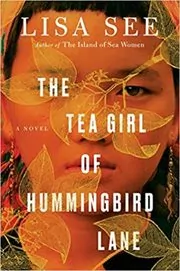
The Tea Girl of Hummingbird Lane
by Lisa See
2017
The Tea Girl of Hummingbird Lane follows Li‑yan, a girl from an isolated Akha tea‑farming village, who breaks from strict tradition when she gives up her baby daughter for adoption, and later becomes a tea entrepreneur while her child grows up in California searching for her roots.
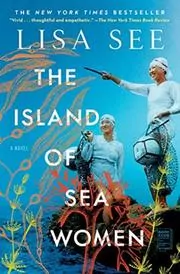
The Island of Sea Women
by Lisa See
2019
The Island of Sea Women is set on Jeju Island, where best friends Young‑sook and Mi‑ja join the haenyeo, a matrifocal community of deep‑sea divers, and their bond is tested over decades of Japanese occupation, civil conflict, and personal betrayals that leave scars above and below the water.

Lady Tan's Circle of Women
by Lisa See
2023
Lady Tan’s Circle of Women reimagines the life of Tan Yunxian, a fifteenth‑century woman born into an elite family who is trained in women’s medicine by her grandmother and, despite marriage rules that confine her, builds a quiet practice treating female patients alongside her midwife friend Meiling.

Daughters of the Sun and Moon
by Lisa See
2026
Daughters of the Sun and Moon is set in 1870 Los Angeles, where three Chinese women—Dove, Petal, and Moon—arrive with very different pasts and desires, then must survive rising anti‑Chinese hatred, a brutal massacre, and the choices that will bind them together in an unfamiliar city.
Where to start with Lisa See
If you’re new to Lisa See: Snow Flower and the Secret Fan.
For a sweeping family saga: Shanghai Girls → Dreams of Joy.
If you want a contemporary mother–daughter story: The Tea Girl of Hummingbird Lane.
If you like crime and legal thrillers: Flower Net → The Interior → Dragon Bones.
If you’re curious about her own family history: On Gold Mountain.
Lisa See sub-series and character series
Lisa See collections, short stories, and related book types
Non-Fiction
Anthologies
Standalone Lisa See books
Author bio
Lisa See was born in Paris in 1955 and grew up mostly in Los Angeles, where she moved through two worlds at once. At home with her mother, novelist Carolyn See, she saw how a creative life could be both joyful and demanding. With her father’s Chinese American family, she spent long days in Chinatown, listening to relatives tell stories in the aisles of the family antique store.
As a child she was surrounded by cousins, uncles, and aunties, many of them descended from her great‑grandfather Fong See, a Chinese immigrant who became a prominent businessman in Los Angeles’s old Chinatown. Those weekends in the shop gave her a feeling of belonging and fed a fascination with how family legends and everyday objects carry history.
For years she insisted she would never be a writer, even though both her mother and her maternal grandfather made their living with words.
See studied at Loyola Marymount University and spent time in Greece at a Balkan studies institute, where travel only sharpened her sense of being between cultures. One morning while living on a Greek island, she woke up with the simple thought that changed everything: she could write. Back in the United States she began freelancing, soon becoming the West Coast correspondent for a publishing trade magazine and writing pieces for a range of national outlets.
Her first book, the memoir On Gold Mountain, grew out of interviews with dozens of relatives about how Fong See and his American wife, Ticie, built a family and businesses on the sometimes hostile ground of the American West. The book became a national bestseller and later inspired an opera and museum exhibitions about the Chinese American experience in California.
Fiction followed. In the Red Princess mysteries—Flower Net, The Interior, and Dragon Bones—See paired Chinese security inspector Liu Hulan with American lawyer David Stark to explore crime, corruption, and loyalty in the complicated years when China was opening to global capitalism.
Over time she moved toward large‑scale historical novels that center on women’s lives and friendships.
Snow Flower and the Secret Fan looks back to nineteenth‑century Hunan, following a laotong, or sworn sisterhood, between two girls whose bond is recorded on a secret fan. Peony in Love slips between the living world and the afterlife in seventeenth‑century China, while Shanghai Girls and its sequel Dreams of Joy trace two sisters and a daughter from wartime Shanghai to Los Angeles and then into Mao’s China. In China Dolls she focuses on three young performers trying to build careers in the Chinatown nightclub scene of the 1930s and 40s, against a backdrop of wartime suspicion and Japanese American incarceration.
In later books she has widened her lens beyond mainland China while keeping her core interests. The Tea Girl of Hummingbird Lane links an Akha tea‑growing village in Yunnan with the life of a Chinese adoptee in California. The Island of Sea Women follows the friendship of two women in a community of haenyeo divers on Korea’s Jeju Island across decades of occupation, war, and political violence. Lady Tan’s Circle of Women reimagines the life of a Ming‑dynasty woman doctor, and Daughters of the Sun and Moon returns to nineteenth‑century Los Angeles to tell the stories of Chinese women caught in racism and anti‑immigrant violence.
Across all of this work, See comes back to a few obsessions: the ties between mothers and daughters, the way history presses on private lives, and the details of ordinary women’s work. She is known for exhaustive on‑the‑ground research, but on a daily level her process is simple—she aims to write about a thousand words every morning and lets the pages pile up. She lives in Los Angeles, stays deeply involved with local arts and Chinese American cultural organizations, and continues to travel widely, gathering stories that might become the seed of the next book.






Edited by
Software engineer whose passion for tracking book recommendations from podcasts inspired the creation of MRB.
Lead investor at 3one4 Capital whose startup expertise and love for books helped shape MRB and its growth.
Comments
Did we miss something? Have feedback?
Help us improve this page by sharing your thoughts