
Jack Kerouac Books in Order
This page lists Jack Kerouac's books in order, with summaries, background, and reading-order tips to help you explore his Beat novels, poetry and letters.
Last updated:
As an Amazon Associate, we earn from qualifying purchases (at no extra cost to you).
Jack Kerouac books in publication order
47 books
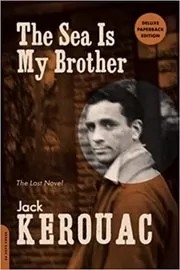
The Sea Is My Brother
by Jack Kerouac
1942
Written from his early Merchant Marine experience, this short novel follows two young men who sign onto a troop ship at the start of the Second World War. Long watches, rough shipmates, and gray seas test their ideals about duty, adventure, and escape.
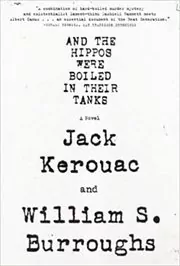
And the Hippos Were Boiled in Their Tanks
by Jack Kerouac
1945
In alternating voices, two young drifters in 1940s New York circle a troubled friend whose violent act will shatter their circle. Based on a real murder case, the novel shows an early, hard-boiled version of the Beat world before fame arrived.
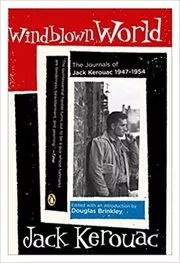
Windblown World
by Jack Kerouac
1947
This volume gathers Kerouac's journals from the late 1940s and early 1950s, when he was finishing The Town and the City and drafting On the Road. Daily notes on work, money, friendships, and craft show how a restless young writer taught himself his style.
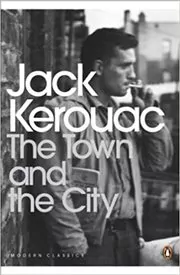
The Town and the City
by Jack Kerouac
1950
Kerouac's first novel follows the Martin family from the small mill town of Galloway to the chaotic postwar streets of New York. Middle son Peter is pulled between loyalty to home and the bohemian writers and rebels he meets in the city.
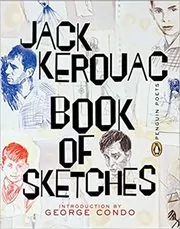
Book of Sketches
by Jack Kerouac
1957
Prose poems and notebook jottings trace Kerouac's wanderings through New York, San Francisco, Mexico, and back to Lowell. Street scenes, quick portraits, and spiritual asides build into a loose travel diary of midcentury America seen at walking speed.
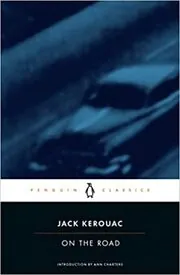
On the Road
by Jack Kerouac
1957
Sal Paradise leaves New York with his reckless friend Dean Moriarty, hitchhiking back and forth across postwar America in search of excitement and meaning. Long nights of jazz, liquor, and endless highways blur into a restless portrait of friendship and freedom.
Recommended by
6 people Steve Jobs recommended this book
Steve Jobs
Daniel Kottke said he and Steve Jobs definitely read this book prior to the India trip.
Steve Jobs's recommendation of this book  Walter Isaacson recommended this book
Walter Isaacson
"Read [this book]." - Walter Isaacson
Walter Isaacson's recommendation of this book 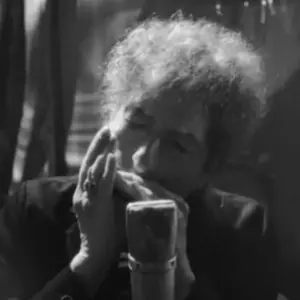 Bob Dylan recommended this book
Bob Dylan
"It changed my life like it changed everyone else’s." - Bob Dylan
Bob Dylan's recommendation of this book  Josh Waitzkin recommended this book
Josh Waitzkin
"Opened up the ecstatic beauty of life’s little moments to me as a teenager." - Josh Waitzkin
Josh Waitzkin's recommendation of this book  Ev Williams recommended this book
Ev Williams
On the "books read" section of Ev Williams' GoodReads profile.
Ev Williams's recommendation of this book  Lex Fridman recommended this book
Lex Fridman
Lex Fridman mentioned this book on Instagram.
Lex Fridman's recommendation of this book
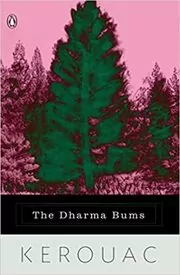
The Dharma Bums
by Jack Kerouac
1958
Ray Smith falls in with mountain-climbing poet Japhy Ryder, splitting his time between San Francisco parties and solitary climbs in the Sierra Nevada. Their hikes, meditations, and wild arguments trace Kerouac's search for a Western form of Buddhism he can actually live.
Recommended by
2 people- Steve Jobs recommended this book
Steve Jobs
Daniel Kottke said he and Steve Jobs definitely read this book prior to the India trip.
Steve Jobs's recommendation of this book - Josh Waitzkin recommended this book
Josh Waitzkin
Josh Waitzkin recommended this book in the "Tools of Titans" book.
Josh Waitzkin's recommendation of this book
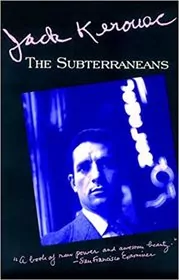
The Subterraneans
by Jack Kerouac
1958
Set in smoky San Francisco and New York jazz clubs, this short novel chronicles Kerouac's doomed love affair with Mardou Fox, a young Black woman. The rush of infatuation, guilt, and self-sabotage unfolds in one long breathless stream of thought.
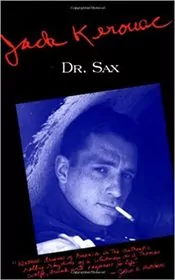
Dr. Sax
by Jack Kerouac
1959
Remembered from childhood in Lowell, a boy named Jack Duluoz invents a caped figure called Doctor Sax who stalks the town's alleys and dreams. Childhood games, Catholic lore, monsters, and neighborhood gossip merge into a strange, charged coming-of-age story.
Maggie Cassidy
by Jack Kerouac
1959
Teenage Jack Duluoz is a high school track star who falls for Maggie Cassidy in a working-class New England town. First love, family expectations, and small-town rituals are rendered with a softer, more nostalgic tone than Kerouac's road novels.
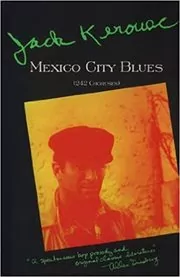
Mexico City Blues
by Jack Kerouac
1959
Composed as 242 linked choruses, this long poem riffs on jazz, Buddhism, grief, and street life in mid-1950s Mexico City. The language jumps from jokes to visions, capturing Kerouac's sense that poetry could move like an improvised sax solo.

Book of Dreams
by Jack Kerouac
1960
Kerouac transcribed his dreams over several years, turning them into a drifting, nightmarish narrative. Familiar Beat figures appear in new guises as the book moves through anxieties about family, fame, sex, and death, all filtered through sleep logic.
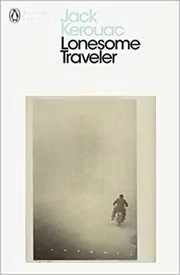
Lonesome Traveler
by Jack Kerouac
1960
In these travel pieces Kerouac writes about working on ships and railroads, drifting through Mexico and Tangier, and spending a season as a fire lookout on Desolation Peak. The sketches read like letters from the road, mixing job details with sudden bursts of awe.
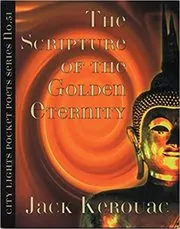
The Scripture of the Golden Eternity
by Jack Kerouac
1960
Sixty-six brief prose pieces explore Kerouac's understanding of emptiness, God, and the golden eternity. Written under strong Buddhist influence, they read like a mix of sutras, personal prayers, and plainspoken attempts to describe what cannot quite be said.

Tristessa
by Jack Kerouac
1960
In Mexico City, Kerouac's narrator falls in love with Tristessa, a morphine-addicted sex worker living in poverty. The book watches her struggle through withdrawals and small joys while he tries, and often fails, to reconcile desire, compassion, and his Buddhist ideals.
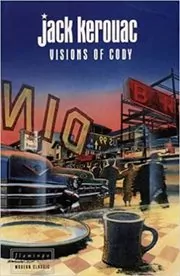
Visions of Cody
by Jack Kerouac
1960
An experimental companion to On the Road, this novel centers on Cody Pomeray, Kerouac's version of Neal Cassady. Tape-recorded conversations, portrait sketches, and fractured scenes from cross-country trips build a dense, unfiltered tribute to his most important friend.
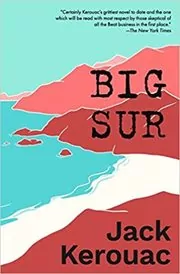
Big Sur
by Jack Kerouac
1962
Famous and exhausted, Jack Duluoz retreats to a friend's cabin in Big Sur hoping to dry out and find peace. Instead his alcoholism and anxiety spiral in the coastal solitude, producing one of Kerouac's rawest portraits of breakdown and fragile recovery.
Visions of Gerard
by Jack Kerouac
1963
Set in a French Canadian neighborhood in Lowell, this short novel remembers Kerouac's saintly older brother Gerard, who died young. Childhood scenes of school, church, and backyard play are shot through with illness, compassion, and questions about suffering.
Desolation Angels
by Jack Kerouac
1965
Beginning with a lonely summer as a fire lookout in Washington's North Cascades, the book follows Jack Duluoz back through cities in Mexico, New York, Tangier, and San Francisco. It traces his widening travels and his growing unease with both Buddhism and Beat celebrity.
Satori in Paris
by Jack Kerouac
1966
Late in life, Kerouac travels to Paris and Brittany to investigate his Breton roots and stumbles through bars, train stations, and family records offices. The trip becomes a comic, slightly melancholy meditation on ancestry, language, and fleeting flashes of insight.
Vanity of Duluoz
by Jack Kerouac
1967
Written near the end of his life, this memoir-novel looks back on Kerouac's years from high school through World War II and the first stirrings of the Beat movement. Athletic glory, failed marriages, and early friendships are retold with a mix of pride and regret.
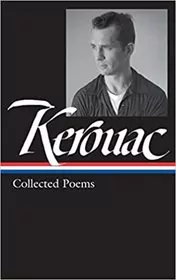
Collected Poems
by Jack Kerouac
1971
This volume brings together Kerouac's major poetry books and many uncollected pieces in one place. Long blues sequences sit beside haiku, prayers, and comic riffs, offering a full view of how he tried to make poetry move like speech and music.
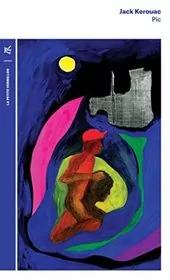
Pic
by Jack Kerouac
1971
Told in the voice of a young Black boy from North Carolina, this short novel follows Pic and his big brother Slim as they head north to New York and then west chasing work. The boy's wide-eyed observations frame a country struggling through hard economic times.
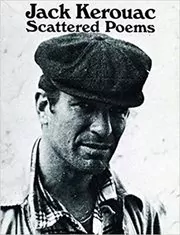
Scattered Poems
by Jack Kerouac
1971
This pocket collection gathers poems that had previously appeared only in little magazines or notebooks. Blues pieces, haiku, and city sketches show Kerouac trying out different voices while keeping his quick, improvisational rhythm.
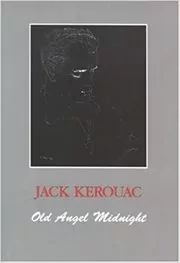
Old Angel Midnight
by Jack Kerouac
1973
Built from notebook fragments written late at night, Old Angel Midnight abandons plot for pure sound and association. Snatches of voices, slang, and street noise swirl into a dense, experimental text about consciousness humming at the edge of sleep.
Trip Trap
by Jack Kerouac
1973
Trip Trap records a 1959 cross-country drive Kerouac took with poets Lew Welch and Albert Saijo, trading haiku as they headed east. The notebook-like pieces catch roadside motels, snowstorms, and jokes in quick, compressed lines.
Heaven
by Jack Kerouac
1977
Heaven and Other Poems collects work Kerouac sent to editor Donald Allen in the late 1950s, along with letters and a short self-written biography. The poems and notes show him thinking about jazz, friendship, and the Beat scene as it was happening.

Dear Carolyn
by Jack Kerouac
1983
This chapbook presents letters Kerouac wrote over a decade to Carolyn Cassady, Neal Cassady's wife. Casual, funny, and sometimes raw, they touch on Buddhism, work on the railroad, life in Mexico, drinking, and his complicated love for the Cassady family.
Atop an Underwood
by Jack Kerouac
1987
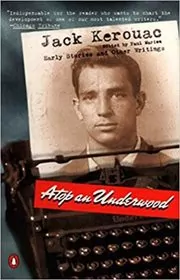
Gathering early stories, poems, plays, and fragments, Atop an Underwood shows Kerouac learning how to write. High school pieces sit beside wartime sketches and experiments in stream of consciousness, offering a glimpse of his voice before fame.
San Francisco Blues
by Jack Kerouac
1991
Written in mid-1950s notebooks, this long poem cycles through the streets, bars, and piers of San Francisco. Short, jazzy stanzas stack up snapshots of cable cars, waterfront workers, and late night wanderers in Kerouac's loose blues form.
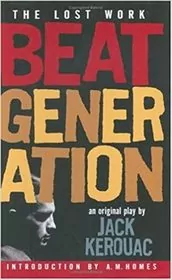
Beat Generation
by Jack Kerouac
1992
Kerouac's only full-length play follows his stand-in Jack Duluoz and friends through a single day of drinking, arguing, and betting the horses in 1950s New York. The loose, talky scenes read like a stage version of his road novels.
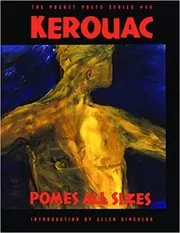
Pomes All Sizes
by Jack Kerouac
1992
Drawn from manuscripts written between 1954 and 1965, Pomes All Sizes ranges from quick haiku-like pieces to long free verse blues. The poems roam from Mexico to Tangier to Berkeley and back to New England, always mixing travel, prayer, and barroom observation.
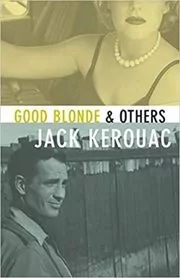
Good Blonde & Others
by Jack Kerouac
1993
This eclectic collection gathers short stories, essays, travel pieces, and literary notes. Kerouac hitchhikes with a blonde to San Francisco, rides with photographer Robert Frank, muses on writing, and defends his work against critics in his offhand, conversational style.
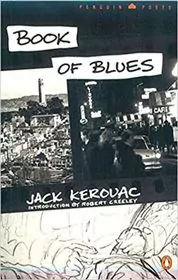
Book of Blues
by Jack Kerouac
1995
Book of Blues assembles eight extended blues sequences written in pocket notebooks about New York, San Francisco, Desolation Peak, and more. Each short stanza works like a bar of music, linking daily details, spiritual worries, and street sounds into rolling chants.
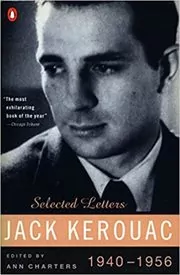
Selected Letters Volume 1
by Jack Kerouac
1995
This first volume of letters covers 1940 to 1956, from Kerouac's college days through the long struggle to publish On the Road. Candid notes to family, Neal and Carolyn Cassady, Ginsberg, and editors show him shaping his aesthetic and restlessly changing addresses.

The Portable Jack Kerouac
by Jack Kerouac
1996
Planned by Kerouac and completed by editor Ann Charters, this anthology samples the Duluoz Legend novels alongside poems, essays, and letters. It works as a single-volume tour through his shifting styles, recurring characters, and lifelong concerns.
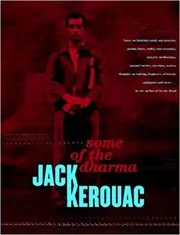
Some of the Dharma
by Jack Kerouac
1997
Compiled for Allen Ginsberg in the early 1950s, Some of the Dharma is Kerouac's massive scrapbook of Buddhist study. Quotes from sutras sit beside his own poems, prayers, journal entries, and diagrams as he tries to fold Eastern teachings into his daily life.
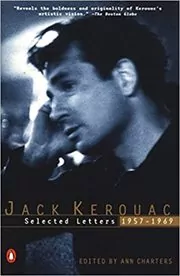
Selected Letters Volume 2
by Jack Kerouac
1999
Spanning 1957 to 1969, this volume follows Kerouac through the shock of sudden fame, endless travel, family troubles, and his final years. The letters reveal a writer torn between gratitude and bitterness, still chasing new forms even as his health failed.
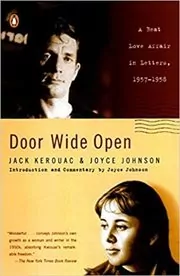
Door Wide Open
by Jack Kerouac
2000
Composed of letters between Kerouac and writer Joyce Johnson, plus her commentary, this book captures a brief love affair in the late 1950s. It offers an inside view of his life just after On the Road appeared, when notoriety collided with everyday worries.
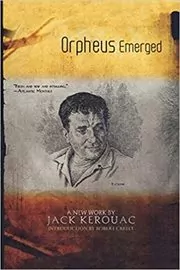
Orpheus Emerged
by Jack Kerouac
2002
Written in the mid-1940s but published decades later, this campus novel follows a group of young bohemians around a fictional university. Romantic triangles, late night arguments, and artistic ambitions echo the real friendships that would soon define the Beat movement.
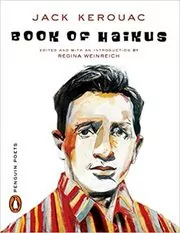
Book of Haikus
by Jack Kerouac
2003
Here more than five hundred of Kerouac's haiku and haiku-like poems are gathered from notebooks and earlier books. Many are tiny scenes of weather, cats, trains, or city lights, written in a plain, playful voice that treats everyday moments as small flashes of insight.
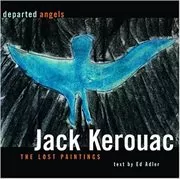
Departed Angels
by Jack Kerouac
2004
This large-format volume collects nearly all of Kerouac's surviving paintings and drawings, from bold abstracts to quick sketches of friends, saints, and street scenes. Reproductions and essays highlight how his visual art parallels the spontaneity of his writing.
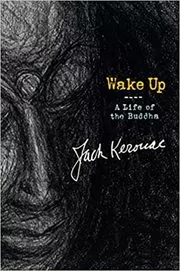
Wake Up
by Jack Kerouac
2008
Wake Up retells the life of Siddhartha Gautama, from sheltered prince to wandering ascetic and finally the Buddha. Drawing on Buddhist scriptures, Kerouac reshapes the story in his own rolling prose as a compact introduction to the path that fascinated him.
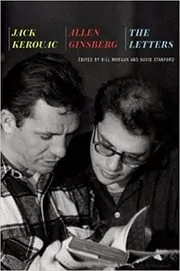
Jack Kerouac and Allen Ginsberg
by Jack Kerouac
2010
Decades of correspondence between Kerouac and Allen Ginsberg trace a friendship built on fierce argument, mutual editing, and shared spiritual questions. The letters move from hungry youth in New York to the pressures of notoriety and middle age.
The Haunted Life
by Jack Kerouac
2014
An early, previously lost novella, The Haunted Life follows college-aged Peter Martin in a New England mill town on the eve of World War II. Family conflicts, class tensions, and uneasy patriotism hint at themes Kerouac would later expand in his major novels.
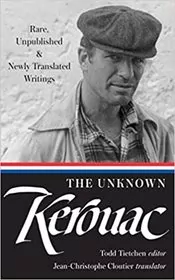
The Unknown Kerouac
by Jack Kerouac
2016
This anthology gathers previously unpublished or newly translated work, including French-language novellas, Denver and New York journals, and late autobiographical fragments. It offers a more complete picture of his French Canadian roots and the experiments behind the familiar books.
Piers of the Homeless Night
by Jack Kerouac
2018
Drawn from Lonesome Traveler, this slim volume focuses on Kerouac's nighttime walks among the piers, flop houses, and city streets. Short pieces catch sailors, drunks, and wanderers with a mix of compassion, melancholy, and rough humor.
Where to start with Jack Kerouac
If you're new to Jack Kerouac: On the Road → The Dharma Bums
If you like big autobiographical sagas: The Town and the City → On the Road → Big Sur → Vanity of Duluoz
If you're curious about his Buddhist side: The Dharma Bums → The Scripture of the Golden Eternity → Some of the Dharma → Wake Up
If you prefer intimate coming-of-age stories: Maggie Cassidy → Visions of Gerard → The Haunted Life
If you're here for the poetry: Mexico City Blues → Scattered Poems → Book of Blues → Book of Haikus
Jack Kerouac collections, short stories, and related book types
Short Stories/Novellas
Collections
Non-Fiction
Standalone Jack Kerouac books
Author bio
Jack Kerouac was born in Lowell, Massachusetts, in 1922, the youngest child in a French-Canadian Catholic family. He grew up speaking French at home, hearing stories about Quebec, and wandering the mill streets and riverbanks that would later fill his books.
His older brother Gerard died when Jack was a small boy, a loss he never really stopped writing about.
In high school he was a fast, hard-running football star, which won him scholarships and a path out of the factory town. After a year at the Horace Mann School to raise his grades, he went to Columbia University, played briefly, then broke his leg and drifted away from the team and campus life. What stayed were the friends he met in New York, including Allen Ginsberg, William S. Burroughs, and the hustlers and drifters who became the core of the Beat circle.
During the Second World War he shipped out in the Merchant Marine and briefly joined the Navy, experiences that gave him both sea stories and a lifelong sense of being half inside, half outside American life. Back in New York he worked odd jobs, wrote at night, and struggled to place his early fiction. His first novel, The Town and the City, appeared in 1950 under the name John Kerouac, a big, traditional family saga that drew praise but sold poorly.
In the early 1950s he began to experiment with what he called "spontaneous prose," trying to match the speed of thought, jazz, and speech on the page.
That experiment exploded in On the Road, written in a three week burst in 1951 and finally published in 1957. Framed as the story of Sal Paradise and Dean Moriarty driving back and forth across the continent, it caught the feel of postwar restlessness, cheap gas, late night highways, and the urge to burn through a whole life in a few wild years. The book made him famous almost overnight and fixed him, for better and worse, as a spokesman for the Beat Generation.
Success did not settle his restlessness. He followed On the Road with books like The Subterraneans, The Dharma Bums, Lonesome Traveler, and Big Sur, stretching his Duluoz Legend across jazz clubs, Catholic childhood streets, mountain fire lookouts, and hangovers on the Pacific coast.
He kept writing even as the glare of attention wore him down.
Across novels like The Dharma Bums, Desolation Angels, Big Sur, and Vanity of Duluoz, and in poetry such as Mexico City Blues and later haiku collections, he circled the same questions about friendship, faith, failure, and grace. He turned deeply toward Buddhism in the mid 1950s, then back toward the Catholicism of his childhood, and his work never stopped mixing longing for spiritual clarity with the pull of bars, road trips, and family duty. In his final years he lived with his mother and third wife in Florida, drinking heavily and watching the culture he had helped spark move past him, before dying in 1969 at forty seven, still trying in notebooks and letters to get the whole motion of his life onto the page.













Edited by
Software engineer whose passion for tracking book recommendations from podcasts inspired the creation of MRB.
Lead investor at 3one4 Capital whose startup expertise and love for books helped shape MRB and its growth.
Comments
Did we miss something? Have feedback?
Help us improve this page by sharing your thoughts