
Hunter S Thompson Books in Order
Explore Hunter S. Thompson books in order, from Fear and Loathing novels to Gonzo Papers and letters, with summaries, background, and clear reading order tips.
Last updated:
As an Amazon Associate, we earn from qualifying purchases (at no extra cost to you).
Hunter S Thompson books in publication order
21 books
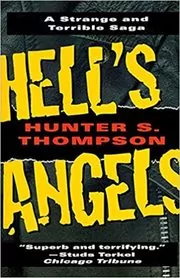
Hell's Angels
by Hunter S. Thompson
1966
Based on a year spent riding with the Hells Angels in California, this book gives a close, unsentimental look at the motorcycle club’s parties, clashes with police, and internal code. Thompson’s immersion reporting exposes both their myth and the fear they inspired.
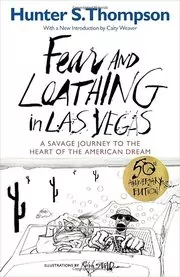
Fear and Loathing in Las Vegas
by Hunter S. Thompson
1971
Journalist Raoul Duke and his attorney, Dr. Gonzo, drive from Los Angeles to Las Vegas on a simple assignment that mutates into a drug‑fueled, paranoid hunt for the American Dream and a savage reflection on the end of the 1960s.
Recommended by
3 people Anthony Bourdain recommended this book
Anthony Bourdain
"The book that probably influenced me more than any other." - Anthony Bourdain
Anthony Bourdain's recommendation of this book  Jordan Peterson recommended this book
Jordan Peterson
Recommended on Jordan Peterson's website.
Jordan Peterson's recommendation of this book  Naval Ravikant recommended this book
Naval Ravikant
"It was entertaining, but I sort of gave up after a bit." - Naval Ravikant
Naval Ravikant's recommendation of this book
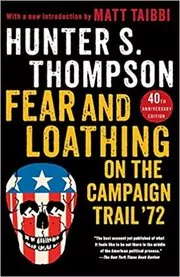
Fear and Loathing on the Campaign Trail '72
by Hunter S. Thompson
1973
Thompson’s month‑by‑month account of the 1972 U.S. presidential race follows George McGovern’s doomed challenge to Richard Nixon from inside the press bus. Equal parts serious political reporting and gonzo riff, it captures the paranoia, deal‑making, and media circus of modern campaigns.
Recommended by
1 person Jim Cramer recommended this book
Jim Cramer
"A most amazing book... Total Gonzo! Must read for all!!!" - Jim Cramer
Jim Cramer's recommendation of this book
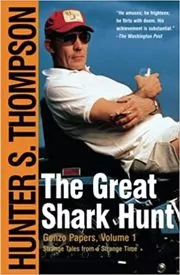
The Great Shark Hunt
by Hunter S. Thompson
1979
The first Gonzo Papers volume collects two decades of essays, from early Air Force sports stories to landmark pieces on counterculture, politics, and sport. Together they show how his reporting evolved into the full‑blown gonzo style.
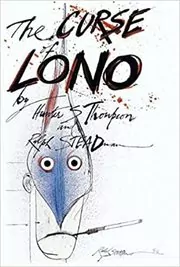
The Curse of Lono
by Hunter S. Thompson
1983
Sent to cover the 1980 Honolulu Marathon, Thompson turns the assignment into a chaotic travelogue of Hawaii. With Ralph Steadman’s drawings, the book mixes island history, big‑game fishing, storms, drugs, and local gods into a warped tale of vacation gone wrong.
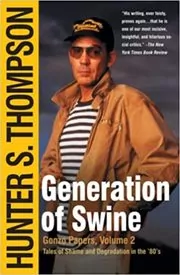
Generation of Swine
by Hunter S. Thompson
1988
Volume two of the Gonzo Papers collects Thompson’s San Francisco Examiner columns from the mid‑1980s. Short, angry, and often very funny, they tackle Iran‑Contra, televangelists, Gary Hart, and the 1988 election as symptoms of what he saw as a decaying political culture.
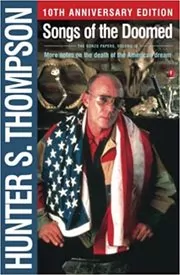
Songs of the Doomed
by Hunter S. Thompson
1990
This third Gonzo Papers volume arranges stories, essays, and letters by decade, jumping from 1950s sketches to 1980s columns. Along the way it revisits Las Vegas, the campaign trail, and unfinished novels while circling his favorite subject: the slow death of the American Dream.
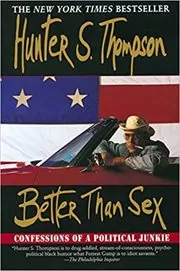
Better Than Sex
by Hunter S. Thompson
1994
Subtitled Confessions of a Political Junkie, this book gathers faxes, letters, and pieces about the 1992 presidential race. Thompson riffs on Bill Clinton, the media, and his own failed sheriff campaign, blurring private correspondence with public commentary.
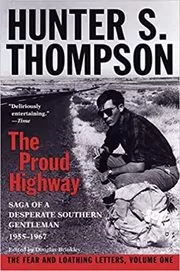
The Proud Highway
by Hunter S. Thompson
1997
The first Fear and Loathing Letters volume presents Thompson’s correspondence from 1955–1967. We see him as a young freelancer hustling for work, roaming the Caribbean and South America, and sharpening the voice that would later explode in his famous books.
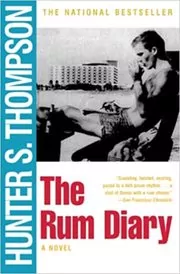
The Rum Diary
by Hunter S. Thompson
1998
In the 1950s, young reporter Paul Kemp flees New York for a struggling English‑language paper in San Juan, Puerto Rico. Between rum‑soaked nights, failing bosses, and corrupt developers, he stumbles through love and betrayal in a hot, uneasy Caribbean boomtown.
Recommended by
1 person Jennifer Lawrence recommended this book
Jennifer Lawrence
"You can tell in one sentence if what you're reading is by [this author]." - Jennifer Lawrence
Jennifer Lawrence's recommendation of this book
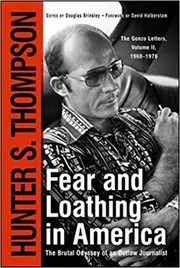
Fear and Loathing in America
by Hunter S. Thompson
2000
This second letters volume covers 1968–1976, the years when Thompson became a public figure. The correspondence captures the making of Fear and Loathing in Las Vegas and Campaign Trail ’72, his battles with publishers, and his lifelong arguments with friends and editors.
Screwjack
by Hunter S. Thompson
2000
This slim collection contains three strange, hallucinatory stories, including Mescalito, a nightlong drug trip in a Los Angeles hotel. Blending autobiography and fever dream, the pieces push Thompson’s gonzo voice into outright fiction.
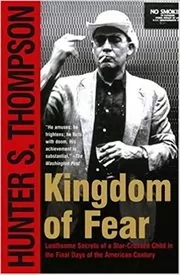
Kingdom of Fear
by Hunter S. Thompson
2003
Part memoir, part grab‑bag of earlier pieces, Kingdom of Fear traces Thompson’s lifelong quarrel with authority. Childhood pranks, courtroom battles, Aspen politics, and post‑9/11 rants sit side by side, sketching a self‑portrait of a man who refused to back down.
Hey Rube
by Hunter S. Thompson
2004
Drawn from his online sports column, Hey Rube collects essays written between 2000 and 2003. Nominally about gambling and games, the pieces drift into politics, war, and gunfire at Owl Farm, offering a late‑career mix of prophecy, black humor, and nostalgia.
Happy Birthday, Jack Nicholson
by Hunter S. Thompson
2005
This pocket‑sized volume gathers excerpts from Kingdom of Fear, including Thompson’s notorious prank at Jack Nicholson’s mountain home. It’s a sharp, funny glimpse of his Hollywood friendships, private fears, and the way a single joke could spiral out of control.
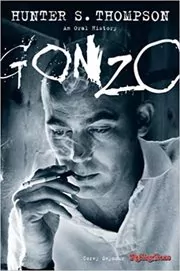
Gonzo
by Hunter S. Thompson
2007
An oral biography assembled from interviews with more than a hundred friends, family members, and collaborators. Voices like Ralph Steadman, Johnny Depp, and Sonny Barger recall Thompson’s creative highs, self‑destruction, and long, messy friendship with Rolling Stone.
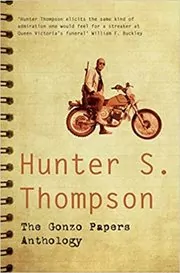
The Gonzo Papers Anthology
by Hunter S. Thompson
2007
This omnibus edition bundles three Gonzo Papers volumes into one door‑stopping collection. It’s an easy way to follow Thompson’s essays from the 1960s through the 1980s, watching his tone shift from ambitious correspondent to burned‑out yet still ferocious columnist.
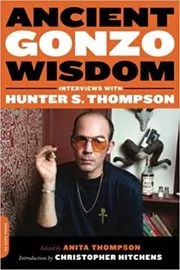
Ancient Gonzo Wisdom
by Hunter S. Thompson
2009
This collection of interviews gathers Thompson in conversation across several decades. From early talk of Hell’s Angels to later debates about Nixon, guns, drugs, and football, it lets readers hear his cadence, tangents, and jokes without the filter of his prose.
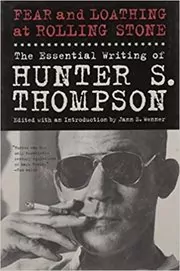
Fear and Loathing at Rolling Stone
by Hunter S. Thompson
2009
This collection gathers Thompson’s essential Rolling Stone pieces, from his Freak Power campaign in Aspen to Nixon‑era politics, boxing, Super Bowls, and more. It reads like a crash course in his career, with editorial memos and correspondence woven through the articles.
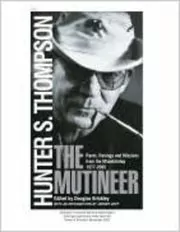
The Mutineer
by Hunter S. Thompson
2012
Completing the Fear and Loathing Letters trilogy, The Mutineer spans roughly 1977–2005. The letters show late‑career Thompson at Owl Farm – still writing, feuding, and scheming – while reflecting on politics, lawsuits, film deals, and the cost of living as his own legend.

Hunter S. Thompson
by Hunter S. Thompson
2018
This brief volume offers a compact overview of Thompson’s life and work, sketching his path from Louisville misfit to gonzo journalist. It revisits key books and episodes, serving as an accessible primer for readers new to his world.
Where to start with Hunter S Thompson
If you want his most iconic gonzo trip: Fear and Loathing in Las Vegas → The Curse of Lono
If you’re curious about his politics: Fear and Loathing on the Campaign Trail '72 → Generation of Swine → Better Than Sex → Hey Rube
If you prefer immersive nonfiction first: Hell's Angels → The Great Shark Hunt → Fear and Loathing at Rolling Stone
If you like behind‑the‑scenes material: The Proud Highway → Fear and Loathing in America → The Mutineer
If you want his early fiction and stranger pieces: The Rum Diary → Screwjack → Kingdom of Fear → Happy Birthday, Jack Nicholson
Hunter S Thompson sub-series and character series
Fear and Loathing Letters books in order
Explore this seriesFear and Loathing Letters books in chronological order
Hunter S Thompson collections, short stories, and related book types
Short Stories/Novellas
Non-Fiction
by Hunter S. Thompson
2003Loathsome Secrets of a Star-Crossed Child in the Final Days of the American Century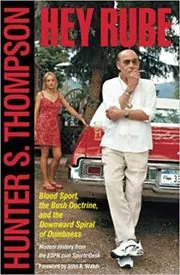
by Hunter S. Thompson
2004Blood Sport, the Bush Doctrine, and the Downward Spiral of Dumbness Modern History from the Sports Desk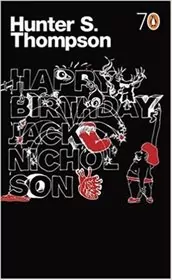
Standalone Hunter S. Thompson books
Author bio
Hunter S. Thompson grew up in Louisville, Kentucky, far from the deserts, boxing rings, and campaign trails that later filled his pages. He became famous for gonzo journalism, a voice that mixed reporting, rant, and hallucination into something that sounded like nobody else.
As a kid in Louisville he loved sports and books but never quite fit the mold. In high school he joined an elite literary club, wrote for its yearbook, and devoured writers like F. Scott Fitzgerald and J. P. Donleavy. A teenage arrest for being in the wrong car during a robbery left him jailed and kept him from graduating, an early fracture that sharpened his distrust of authority.
Instead of college he enlisted in the U.S. Air Force. Stationed at Eglin Air Force Base in Florida, he talked his way into a job as sports editor of the base paper, the Command Courier, and began filing freelance pieces on the side. His superiors praised his talent but pushed him out early, calling him too rebellious to be guided by policy.
In the late 1950s and early 1960s Thompson bounced through small newspapers in Pennsylvania and New York, usually leaving after a fight with an editor. He moved to Puerto Rico to work for a short‑lived sports magazine and then roamed the Caribbean and South America as a correspondent. During those years he drafted early fiction, including the novel The Rum Diary, while also learning how to wring sharp observations from bad jobs and thin paychecks.
His real break came when he spent a year living and riding with the Hells Angels in California and turned the experience into Hell's Angels, a blunt, close‑up book that made his name.
By the end of the 1960s Thompson had settled near Aspen, Colorado, and was writing increasingly personal, combative pieces. An assignment to cover the Kentucky Derby produced The Kentucky Derby Is Decadent and Depraved, written with illustrator Ralph Steadman, which largely ignored the race and focused on drunken mayhem around it. That experiment – first person, angry, and openly subjective – set the tone for what he began to call gonzo journalism.
In 1971 he and his friend Oscar Zeta Acosta drove to Las Vegas on what was supposed to be a short sports assignment. The trip ballooned into Fear and Loathing in Las Vegas, a roman‑à‑clef in which his alter ego Raoul Duke and the lawyer Dr. Gonzo careen through casinos and desert highways on an overstocked drug binge while mourning the collapse of the 1960s dream. Readers came for the wild scenes and stayed for the sense that, beneath the chaos, he was trying to measure what America had lost.
Politics pulled him in next. Covering the 1972 presidential race for Rolling Stone, he turned months on the campaign trail into Fear and Loathing on the Campaign Trail '72, a dense, funny, and furious chronicle of George McGovern’s failed run against Richard Nixon. Collections like The Great Shark Hunt, the four‑volume Gonzo Papers, and later works such as Kingdom of Fear and Hey Rube stitched together decades of essays on everything from small‑town sheriffs’ races to prizefights and Super Bowls.
He was also a tireless letter writer, and volumes like The Proud Highway, Fear and Loathing in America, and The Mutineer reveal him hustling for assignments, feuding with editors, worrying about money, and sending long, funny tirades to friends and enemies.
Thompson spent most of his later life at Owl Farm, his fortified compound outside Aspen, surrounded by books, guns, peacocks, and an ever‑shifting circle of visitors. Health problems and heavy drinking slowed his output, but he kept filing columns and shaping collections, even as the wild public persona threatened to swallow the working reporter. He died in 2005, but his best work still feels strangely current: a reminder that the loudest, craziest voice in the room can also be the one most intent on telling the truth.


Edited by
Software engineer whose passion for tracking book recommendations from podcasts inspired the creation of MRB.
Lead investor at 3one4 Capital whose startup expertise and love for books helped shape MRB and its growth.
Comments
Did we miss something? Have feedback?
Help us improve this page by sharing your thoughts