
George Orwell Books in Order
Browse George Orwell books in order, with brief summaries, background on his life and ideas, plus guidance on where to start with his novels and essays.
Last updated:
As an Amazon Associate, we earn from qualifying purchases (at no extra cost to you).
George Orwell books in publication order
67 books

A Hanging
by George Orwell
1931
A brief, piercing essay drawn from Orwell's service in Burma, describing the execution of a prisoner and the casual routines surrounding it. The piece captures a sudden recognition of shared humanity inside a system built on violence and control.
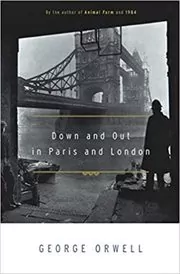
Down and Out in Paris and London
by George Orwell
1933
Drawing on his own experiences, Orwell describes working as a kitchen hand in Paris and drifting through hostels and streets in London. The book offers clear eyed reporting on poverty, casual work, and the small routines that keep people going.
Recommended by
1 person Alice Walker recommended this book
Alice Walker
"Hilarious, with a humor quite unexpected in the otherwise seemingly somber Brother Blair." - Alice Walker
Alice Walker's recommendation of this book
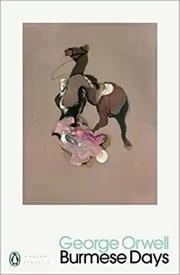
Burmese Days
by George Orwell
1934
Set in a British outpost in colonial Burma, this novel follows timber merchant John Flory as he navigates racism, corruption, and a fraught romance. The story exposes the pettiness and cruelty of imperial rule in a distant, uneasy community.
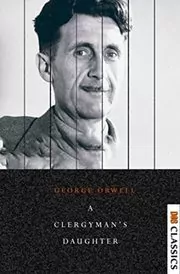
A Clergyman's Daughter
by George Orwell
1935
Dorothy, the dutiful daughter of a penny pinching clergyman, suddenly loses her memory and is pitched into a series of new lives. The novel moves through hop fields, city slums, and classrooms to explore faith, respectability, and the limits of obedience.
Recommended by
1 person Christopher Hitchens recommended this book
Christopher Hitchens
"In these pages, I found some specimens of exactly the lower-middle-class family that was familiar to me from life." - Christopher Hitchens
Christopher Hitchens's recommendation of this book
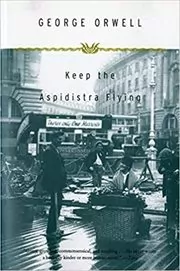
Keep the Aspidistra Flying
by George Orwell
1936
Gordon Comstock abandons a promising job in advertising to reject the worship of money, then discovers how poverty can grind people down. This novel follows his stubborn revolt against middle class respectability and the cost it exacts on love and self respect.
Recommended by
1 person- Christopher Hitchens recommended this book
Christopher Hitchens
"In these pages, I found some specimens of exactly the lower-middle-class family that was familiar to me from life." - Christopher Hitchens
Christopher Hitchens's recommendation of this book
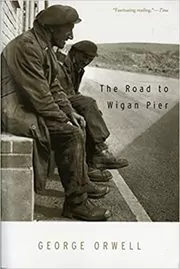
The Road to Wigan Pier
by George Orwell
1937
Part travelogue, part social investigation, this book follows Orwell through boarding houses, mines, and streets in northern England. He describes working class life in vivid detail and wrestles openly with his own politics and the meaning of socialism.
Recommended by
3 people Jordan Peterson recommended this book
Jordan Peterson
Recommended on Jordan Peterson's website.
Jordan Peterson's recommendation of this book  David Heinemeier Hansson recommended this book
David Heinemeier Hansson
"It’s amazing how much of the abusive ideology revealed in his account of the miners is still present in today’s gig economy." - DHH
David Heinemeier Hansson's recommendation of this book  Brad Delong recommended this book
Brad Delong
Brad Delong recommended this book in his website.
Brad Delong's recommendation of this book
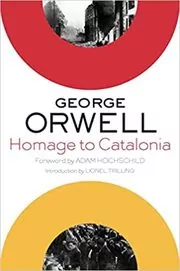
Homage to Catalonia
by George Orwell
1938
Orwell's personal account of fighting with a militia in the Spanish Civil War, blending front line detail, political argument, and growing disillusion with party politics. It is both war memoir and a sharp study of propaganda and betrayal.
Recommended by
4 people Ben Shapiro recommended this book
Ben Shapiro
"A lot of people have read Orwell's 1984, he actually wrote a book that's better. It's [this book]." - Ben Shapiro
Ben Shapiro's recommendation of this book - Christopher Hitchens recommended this book
Christopher Hitchens
"I was fairly soon immersed in [this book]." - Christopher Hitchens
Christopher Hitchens's recommendation of this book  Marc Andreessen recommended this book
Marc Andreessen
Marc Andreessen recommended this book on Twitter.
Marc Andreessen's recommendation of this book - Brad Delong recommended this book
Brad Delong
Brad Delong recommended this book in his website.
Brad Delong's recommendation of this book
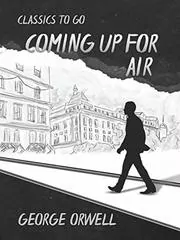
Coming Up for Air
by George Orwell
1939
Middle aged salesman George Bowling flees London for the village of his childhood, hoping to recapture a vanished England. What he finds instead is a country on the brink of war and a painful gap between memory and reality.
Recommended by
1 person- Christopher Hitchens recommended this book
Christopher Hitchens
"In these pages, I found some specimens of exactly the lower-middle-class family that was familiar to me from life." - Christopher Hitchens
Christopher Hitchens's recommendation of this book
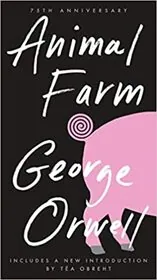
Animal Farm
by George Orwell
1945
On a small farm, the animals overthrow their human master and promise equality, only to see new rulers rise in their place. This short, biting fable exposes how revolutions can be twisted into tyranny through fear, slogans, and lies.
Recommended by
8 people- Jordan Peterson recommended this book
Jordan Peterson
Recommended on Jordan Peterson's website.
Jordan Peterson's recommendation of this book  J. Cole recommended this book
J. Cole
J. Cole mentioned reading this book on The Fayetteville Observer.
J. Cole's recommendation of this book  Whitney Cummings recommended this book
Whitney Cummings
Whitney Cummings mentioned this book on "The Tim Ferriss Show" podcast.
Whitney Cummings's recommendation of this book  Daniel Pink recommended this book
Daniel Pink
"I think that [this book] should be in every organizational behavior class in an MBA program." - Daniel Pink
Daniel Pink's recommendation of this book  Vlad Tenev recommended this book
Vlad Tenev
"When I was in sixth grade I remember being very upset by the ending of [this book]." - Vlad Tenev
Vlad Tenev's recommendation of this book - Christopher Hitchens recommended this book
Christopher Hitchens
"There is a timeless, even transcendent, quality to this little story." - Christopher Hitchens
Christopher Hitchens's recommendation of this book +2
More recommendations
- Sahil Lavingia
Sahil Lavingia recommended this book on Notion.
- Lex Fridman
Lex Fridman mentioned this book on Instagram.
- Sahil Lavingia

Dickens, Dali and Others
by George Orwell
1946
In these literary essays, Orwell writes about figures such as Charles Dickens and Salvador Dali, weighing their work and their character. The pieces combine close reading, plainspoken judgment, and an interest in how art connects to moral choices.

Some Thoughts on the Common Toad
by George Orwell
1947
Built around Orwell's essay on the humble toad, this small collection celebrates ordinary nature and everyday pleasures. It argues that simple, recurring joys can be a kind of quiet resistance in times marked by war, rationing, and political tension.

1984
by George Orwell
1949
In a future dictatorship where Big Brother watches everyone, Winston Smith rewrites history for the Party but quietly begins to doubt the system. His search for truth and love becomes a struggle against torture, surveillance, and the erasure of reality.
Recommended by
14 people Tristan Harris recommended this book
Tristan Harris
"[The author]'s dark vision." - Tristan Harris
Tristan Harris's recommendation of this book - Jordan Peterson recommended this book
Jordan Peterson
Recommended on Jordan Peterson's website.
Jordan Peterson's recommendation of this book - J. Cole recommended this book
J. Cole
J. Cole mentioned reading this book on The Fayetteville Observer.
J. Cole's recommendation of this book  Emma Watson recommended this book
Emma Watson
On the "books read" section of Emma Watson's GoodReads profile.
Emma Watson's recommendation of this book  Noam Chomsky recommended this book
Noam Chomsky
On the "Top 100 Books Referenced by Noam Chomsky" list.
Noam Chomsky's recommendation of this book  Richard Branson recommended this book
Richard Branson
Richard Branson recommended this book on his "70 must-read books" blog post.
Richard Branson's recommendation of this book +8
More recommendations
- Matt Mullenweg
Matt Mullenweg mentioned this book on "The Tim Ferriss Show" podcast.
- Christopher Hitchens
"We were all expected to read Animal Farm and [this book], which had been placed on the syllabus as part of the curriculum of the Cold War." - Christopher Hitchens
- Sahil Lavingia
Sahil Lavingia recommended this book on Notion.
- Jenn Im
"Highly recommend." - Jenn Im
- Winston Churchill
One of Winston Churchill's favorite books.
- Diane Rehm
"Examines the consequences of totalitarianism, mass surveillance and government repression." - Diane Rehm
- Anna Akana
Anna Akana recommended this book on Twitter.
- Brad Delong
Brad Delong recommended this book in his website.
- Matt Mullenweg

Shooting an Elephant
by George Orwell
1950
Orwell revisits his time as a colonial policeman in Burma through the story of being expected to shoot a rampaging elephant. The essay shows how empire traps both ruler and ruled, pushing him to act against his own conscience.

British Pamphleteers
by George Orwell
1951
This anthology of classic British pamphlets showcases sharp, argumentative writing on religion, politics, and reform across several centuries. With introductions and selections involving Orwell, it highlights how short, polemical pieces can shape public debate.

Critical Essays
by George Orwell
1951
A collection of Orwell's essays on writers, books, and popular culture. He reviews novelists, children's stories, and political writing with the same direct style, always asking what kind of world the work assumes and what it asks readers to accept.

England Your England and Other Essays
by George Orwell
1953
Centred on the long essay England Your England, this volume gathers wartime pieces on national character, class, and culture. Orwell writes about pubs, sport, and habits as much as politics, sketching an affectionate yet critical portrait of English life.

Selected Essays/Inside the Whale and Other Essays
by George Orwell
1957
This book combines the collection Inside the Whale with other key essays, offering a broad sample of Orwell's non fiction. The pieces range from literary criticism to political argument and autobiographical sketches, written in his familiar, unfussy style.

Selected Writings
by George Orwell
1958
An introduction to Orwell for new readers, Selected Writings brings together fiction extracts, essays, and reportage. It shows the breadth of his work, from colonial Burma and industrial England to fables and reflections on language and power.

The Collected Essays, Journalism and Letters
by George Orwell
1961
This four volume set gathers nearly all of Orwell's shorter work, including essays, reviews, diaries, broadcasts, and personal letters. It lets readers follow his voice across decades as he responds to wars, political battles, and the details of daily life.

The Lion and the Unicorn
by George Orwell
1962
Written during the Second World War, The Lion and the Unicorn is a long essay about England, class, and the need for a more equal society. Orwell mixes social analysis with sharp portraits of everyday habits and patriotic feeling.

Decline of the English Murder and Other Essays
by George Orwell
1965
Taking its title from a darkly funny piece on crime reporting, this collection gathers essays on subjects such as detective stories, nationalism, and rationing. It shows Orwell's interest in both high politics and seemingly minor corners of popular culture.
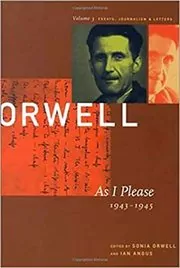
As I Please
by George Orwell
1968
Named after his newspaper column, this volume gathers Orwell's essays, reviews, and articles from the mid 1940s. The pieces roam from wartime politics to comic observations about everyday English life, always in his plain, argumentative, and curious voice.
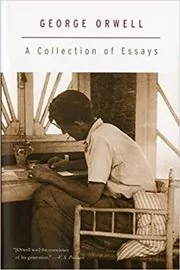
A Collection of Essays
by George Orwell
1970
A wide ranging selection of Orwell's best essays on politics, literature, and everyday life. From colonial experiences to book reviews and reflections on language, these pieces show his plain style, sharp observation, and concern for honesty in public life.
Recommended by
1 person Gretchen Rubin recommended this book
Gretchen Rubin
Gretchen Rubin mentioned this book on "The Tim Ferriss Show" podcast.
Gretchen Rubin's recommendation of this book
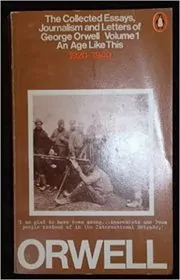
An Age Like This
by George Orwell
1971
This collection of early essays, journalism, and letters traces Orwell's path from schooldays and Burma to his first books. It shows him testing ideas about class, empire, and politics while learning how to write with clarity and bite.
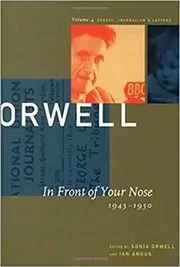
In Front of Your Nose
by George Orwell
1971
Covering his later years, this volume assembles essays, reviews, letters, and diary entries from the end of the war into the 1940s. Orwell reflects on politics, literature, illness, and the stubborn difficulty of seeing what is right in front of us.
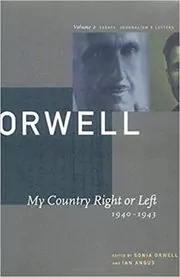
My Country Right or Left
by George Orwell
1980
Focusing on the early war years, this collection brings together Orwell's writings on patriotism, socialism, and the fight against fascism. It shows him wrestling with love of country, fear of totalitarianism, and the contradictions of being a socialist in wartime.

The English People
by George Orwell
1982
Commissioned for a series on national character, The English People is a short survey of England during and after the war. Orwell writes about countryside and cities, class divisions, habits, and myths, trying to capture what holds the country together.

The Penguin Essays of George Orwell
by George Orwell
1984
This selection of essays presents some of Orwell's most accessible non fiction in a single volume. It offers pieces on language, politics, literature, and everyday life, making it an easy way to sample his voice and concerns.

Orwell The Lost Writings
by George Orwell
1985
This volume collects pieces by Orwell that were long out of print or scattered in obscure publications, including reviews, articles, and occasional writings. It fills in gaps in his career and shows how actively he wrote for newspapers and magazines.

Orwell: The War Commentaries
by George Orwell
1985
This companion volume focuses on Orwell's sustained commentary during the war years, including columns and essays written as events unfolded. It offers a running diary of his thoughts on strategy, censorship, daily life, and the prospects for postwar society.

The War Broadcasts
by George Orwell
1985
Here Orwell's wartime radio scripts and talks are preserved in print, many written for broadcast to overseas audiences. The pieces show him trying to explain British life and politics clearly, while also working within the constraints of official propaganda.

War Commentaries
by George Orwell
1985
War Commentaries brings together Orwell's journalism on the Second World War, from air raids and rationing to the shifting politics of the alliance. The articles combine immediate observation with a wary sense of how propaganda shapes what people are told.

Selected Prose
by George Orwell
1991
Selected Prose draws from Orwell's essays, reviews, reportage, and letters to showcase his clear, conversational style. The pieces range widely in topic but share a concern for fairness, plain language, and a refusal to look away from uncomfortable facts.

The Sayings of George Orwell
by George Orwell
1994
A compact collection of memorable lines drawn from Orwell's books, essays, and letters. Arranged as quotations, it highlights his gift for sharp phrases about power, language, truth, and the oddities of everyday life.

Pages From a Scullion's Diary
by George Orwell
1995
This slim volume presents episodes from Orwell's time working in hotel and restaurant kitchens, the world he later described in Down and Out in Paris and London. The sketches reveal the grind, camaraderie, and small humiliations of low paid service work.

A Kind of Compulsion
by George Orwell
1999
Catching Orwell in his formative decades, A Kind of Compulsion includes early essays, diaries, and letters up to the mid 1930s. Readers see him experimenting with subjects and styles while slowly finding the themes that would define his later work.

A Patriot After All
by George Orwell
1999
A Patriot After All covers a period when Orwell was writing intensely about nationalism, war, and British identity. Through reviews, columns, and letters, he probes what it might mean to love a country without lying about its faults.

All Propaganda is Lies
by George Orwell
1999
Part of a larger edition of his works, this volume gathers Orwell's writing from a key wartime period, including letters, articles, and notebooks. Much of it circles around propaganda, censorship, and the struggle to tell uncomfortable truths clearly.

Facing Unpleasant Facts
by George Orwell
1999
This collection brings together Orwell's narrative essays and reportage, from colonial episodes to pieces on poverty and political fear. The focus is on stories rooted in lived experience, written in a way that refuses to smooth over what is disturbing.

I Belong to the Left
by George Orwell
1999
Focusing on his years of active engagement with socialist politics, I Belong to the Left assembles letters, essays, and reviews that show Orwell arguing with allies as much as opponents. It reveals both his commitment and his independence of mind.

I Have Tried to Tell the Truth
by George Orwell
1999
Taking its title from one of Orwell's remarks about his work, this volume collects late letters, articles, and notes. The pieces show him reflecting on past battles, current politics, and the personal cost of illness and constant writing.

It Is What I Think
by George Orwell
1999
This book gathers further correspondence and criticism from Orwell's later years, as he comments sharply on books, public figures, and political trends. The title underlines his insistence on speaking plainly, even when it puts him out of step with fashion.

Keeping Our Little Corner Clean
by George Orwell
1999
Here Orwell appears as a working journalist, filing reviews, columns, and short pieces that try to keep standards of truth and clarity alive. The writings focus on the press, broadcasting, and the everyday responsibilities of people who work with words.

Our Job is to Make Life Worth Living
by George Orwell
1999
This volume focuses on Orwell's journalism and commentary for socialist papers during the war years. The pieces stress housing, wages, culture, and morale, arguing that politics should be measured by how it affects ordinary people's chances of a decent life.

Smothered Under Journalism
by George Orwell
1999
Collecting a dense run of reviews and short pieces, Smothered Under Journalism shows how much hack work Orwell took on to support himself. Even when overworked, he still manages quick, sharp judgments on books, politics, and popular culture.

Two Wasted Years
by George Orwell
1999
In this companion to other diary and journalism volumes, Two Wasted Years brings together Orwell's writing from a stretch when he felt stalled and overburdened. The articles and notes reveal both frustration and a steady, disciplined engagement with events.

Orwell and Politics
by George Orwell
2001
Orwell and Politics selects his most important political essays, from pieces on totalitarianism and nationalism to reflections on socialism and liberty. It offers a concentrated look at how he thought about power, ideology, and the fragile place of truth.

Orwell and the Dispossessed
by George Orwell
2001
This themed collection gathers Orwell's writing on poverty, colonialism, and those pushed to the margins of society. Essays, reportage, and fiction extracts show his attention to beggars, workers, colonial subjects, and other people often overlooked in public debate.

Orwell in Spain
by George Orwell
2001
Orwell in Spain collects his account of the Spanish Civil War along with related articles, letters, and documents. It presents a fuller picture of his time at the front, his injuries, and his growing distrust of authoritarian currents on the left.

Orwell's England
by George Orwell
2001
Bringing together essays and reportage on English manners, towns, countryside, and popular entertainments, Orwell's England is a portrait of a country in rapid change. It lingers on pubs, churches, housing, and small rituals rather than grand political speeches.

Orwell: The 'Observer' Years
by George Orwell
2003
This volume gathers reviews and articles Orwell wrote for the newspaper the Observer. The pieces cover books, war, and cultural shifts, and they show how he used a regular column to test ideas in front of a broad audience.
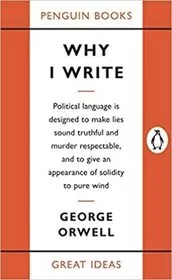
Why I Write
by George Orwell
2004
Centred on the autobiographical essay Why I Write, this book adds key pieces on politics, language, and literary criticism. Orwell explains his motives for writing and argues that prose should aim for honesty rather than clever obscurity.

Orwell In Tribune
by George Orwell
2007
Orwell in Tribune collects his columns, reviews, and occasional articles for the left wing weekly Tribune. The pieces mix sharp political commentary with offbeat observations on everything from junk shops to boys' comics and seaside postcards.

All Art Is Propaganda
by George Orwell
2008
This companion volume to Facing Unpleasant Facts focuses on Orwell's criticism and essays about art, books, and ideas. He writes about writers from Dickens to Tolstoy and asks what moral and political assumptions lie beneath their stories.

Books v. Cigarettes
by George Orwell
2008
Taking its title from a playful comparison between the cost of smoking and of reading, this short collection gathers personal essays on books, work, and leisure. It offers a lighter, more anecdotal side of Orwell alongside his usual clear thinking.
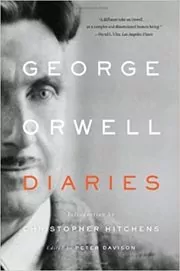
Diaries
by George Orwell
2009
Orwell's diaries record his daily life from the 1930s into the 1940s, including notes on jobs, illnesses, the weather, and the progress of the war. They offer an unpolished, intimate view of his routines and private worries.
Recommended by
1 person- Christopher Hitchens recommended this book
Christopher Hitchens
"Can greatly enrich our understanding of how [the author] transmuted the raw material of everyday experience into some of his best-known novels and polemics." - Christopher Hitchens
Christopher Hitchens's recommendation of this book

Narrative Essays
by George Orwell
2009
Narrative Essays selects pieces where Orwell tells a story drawn from life rather than arguing a point directly. The essays move through Burma, London, and wartime England, showing how he smuggled political insight into sharply observed scenes.

Orwell: A Celebration
by George Orwell
2009
Created to accompany a stage production, Orwell: A Celebration brings together extracts from his essays, journalism, and fiction arranged for performance. It highlights the dramatic energy and spoken rhythm in writing often first met on the printed page.

A Life in Letters
by George Orwell
2010
A Life in Letters is a curated selection of Orwell's correspondence, arranged to tell the story of his life from youth to his final months. The letters reveal his humor, irritations, friendships, and working habits far more directly than formal memoir.

Such, Such Were the Joys and Other Essays
by George Orwell
2010
Anchored by his recollection of a miserable boarding school education, this collection gathers some of Orwell's most personal essays. It also includes pieces on politics, literature, and ordinary pleasures, all written in his frank, unsentimental style.

Fifty Essays
by George Orwell
2015
As the title suggests, this volume brings together fifty of Orwell's essays, offering a generous survey of his subjects and styles. It is a one book way to see him as critic, reporter, memoirist, and political thinker.

Orwell on Truth
by George Orwell
2017
This small book gathers passages from Orwell's fiction and non fiction that deal with truth, lies, and the manipulation of facts. It highlights how often he returned to the dangers of doublethink, euphemism, and deliberate forgetting.

Animal Farm
by George Orwell
2018
This edition presents Animal Farm as a full length graphic novel, illustrated by Odyr. Orwell's tale of a farm revolution gone wrong is retold in bold, expressive artwork that underlines both the humor and the brutality of the story.

Notes on Nationalism
by George Orwell
2018
Centred on the long essay Notes on Nationalism, this book examines how political loyalties can warp thought and language. Orwell explores different kinds of nationalism, from party politics to cultural fandom, and how they tempt people to abandon honest thinking.

Orwell on Freedom
by George Orwell
2018
Orwell on Freedom collects essays and extracts about liberty, censorship, and the individual's place in society. The selections show his belief that freedom depends on clear speech, access to facts, and the right to dissent from powerful groups.

Politics and the English Language
by George Orwell
2022
This slim volume presents Orwell's famous essay on how vague, inflated language can conceal ugly realities. Using concrete examples, he argues for clear prose as a practical tool in defending honest politics and resisting manipulative jargon.
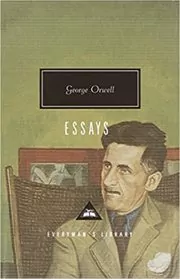
Essays
by George Orwell
Recommended by
1 person Anthony Bourdain recommended this book
Anthony Bourdain
"The font of all wisdom. [The author] is right about nearly everything." - Anthony Bourdain
Anthony Bourdain's recommendation of this book
Where to start with George Orwell
If you want his most famous political novels: Animal Farm → 1984
If you like immersive political reportage and memoir: Down and Out in Paris and London → The Road to Wigan Pier → Homage to Catalonia
If you prefer his early social novels: Burmese Days → A Clergyman's Daughter → Keep the Aspidistra Flying → Coming Up for Air
If you are here for the essays: A Collection of Essays → Why I Write → Books v. Cigarettes
If you enjoy letters and diaries: Diaries → A Life in Letters → A Kind of Compulsion
George Orwell collections, short stories, and related book types
Short Stories/Novellas
Graphic Novels
Essays
Non-Fiction Books
Odyr Graphic Novels
Standalone George Orwell books
Author bio
George Orwell was born Eric Arthur Blair in 1903 in eastern India, where his father worked in the British colonial service. His family soon returned to England, and he grew up feeling slightly out of place in a society obsessed with class.
As a scholarship boy at boarding school and later at Eton, he saw both privilege and cruelty up close. Those early years later resurfaced in his essays about childhood, shame, and the quiet humiliations that can shape a life.
Instead of going to university, Blair joined the Indian Imperial Police in Burma in the 1920s. The job gave him authority and security, but it also left him uneasy about empire, racism, and the casual violence of colonial rule.
He left Burma determined to become a writer.
Back in Europe he scraped by in low paid jobs and lodging houses, spending time in the kitchens of Paris and on the streets of London. Those experiences of poverty and precarious work became the raw material for Down and Out in Paris and London.
Under the pen name George Orwell, he began to publish novels and reportage that drew directly on what he had seen. Burmese Days, A Clergyman's Daughter, Keep the Aspidistra Flying and Coming Up for Air explore money, class, boredom, and the compromises people make to get by.
The Road to Wigan Pier took him to the industrial north of England, where he wrote about coal miners, unemployment, and the daily grind of working class life. The book also records his attempt to think through what socialism might mean in practice.
In the 1930s Orwell travelled to Spain to fight with a left wing militia in the Spanish Civil War. He was wounded in the throat and saw at first hand how propaganda, fear, and factionalism could fracture a cause he believed in, an experience he described in Homage to Catalonia.
During the Second World War he worked for the BBC, producing radio programmes aimed at overseas audiences, and later wrote columns and reviews for newspapers and magazines. At the same time he was turning out essays on everything from junk shops and English tea to political language and the nature of nationalism.
Animal Farm, published in 1945, used a farmyard fable to examine how revolutions can curdle into dictatorship. Four years later 1984 imagined a future Britain ruled by a total surveillance state, where history is rewritten and even private thoughts are policed.
Across his work, readers find some recurring concerns. Orwell worried about the abuse of power, the twisting of language to hide ugly truths, and the way ordinary people could be crushed between big forces they did not control. He also had a sharp eye for small pleasures, petty snobberies, and the texture of everyday life.
He spent his later years in often poor health, writing and living in relative isolation for stretches of time, including on the remote Scottish island of Jura while finishing 1984. Orwell died in London in 1950, but his essays and novels remain central to how many people think about politics, honesty, and the responsibilities of a writer.






Edited by
Software engineer whose passion for tracking book recommendations from podcasts inspired the creation of MRB.
Lead investor at 3one4 Capital whose startup expertise and love for books helped shape MRB and its growth.
Comments
Did we miss something? Have feedback?
Help us improve this page by sharing your thoughts