
Erich Maria Remarque Books in Order
Explore Erich Maria Remarque books in order, with short summaries, background on his major novels, a brief bio, and simple advice on where to start.
Last updated: June 7, 2026
As an Amazon Associate, we earn from qualifying purchases (at no extra cost to you).
Publication Order
14 books

All Quiet on the Western Front
by Erich Maria Remarque
1929
Paul Bäumer and his classmates march into the First World War full of patriotic ideas and lose them almost at once. In the trenches, Remarque strips war of glory and shows its damage up close.
The Road Back
by Erich Maria Remarque
1931
After the First World War, Ernst and the few survivors from his company return home expecting peace and find only confusion. Jobs are scarce, politics are bitter, and the old life they imagined is gone.
Three Comrades
by Erich Maria Remarque
1936
Three young veterans scrape out a living in late Weimar Germany, holding fast to friendship as poverty and political violence close in. When love enters their circle, their loyalty is tested in painful ways.

Flotsam
by Erich Maria Remarque
1941
Steiner and Kern drift across Europe in 1939, shuttled from border to border with no papers and no safe home. Their story captures the fear, absurdity, and stubborn humanity of life as a refugee.
Arch of Triumph
by Erich Maria Remarque
1945
In 1939 Paris, Ravic is a stateless German surgeon operating in secret while dodging arrest and deportation. As he hunts the Nazi who tortured him, love and revenge complicate his fight to stay alive.
Spark of Life
by Erich Maria Remarque
1952
In a concentration camp nearing the end of the war, prisoner 509 clings to life and the idea of resistance. Remarque follows men pushed past endurance, yet still reaching for dignity, solidarity, and freedom.
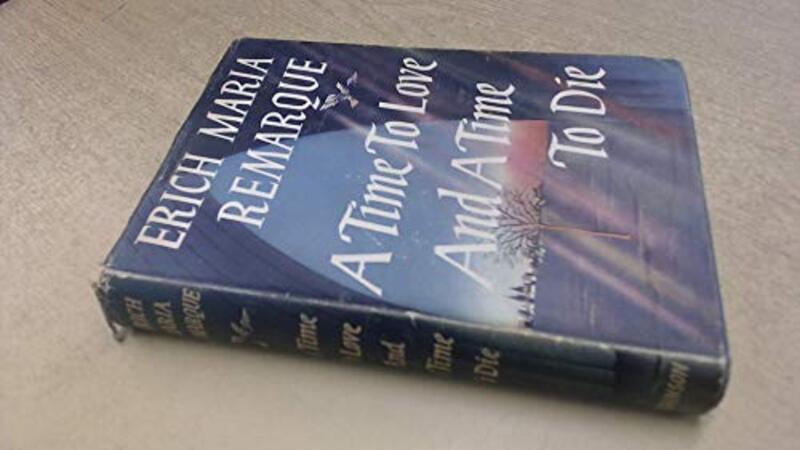
A Time to Love and a Time to Die
by Erich Maria Remarque
1954
Home on leave from the Russian front, Ernst Graeber finds his city in ruins and his parents missing. As he searches for them, a fragile love with Elisabeth offers brief human shelter from war.
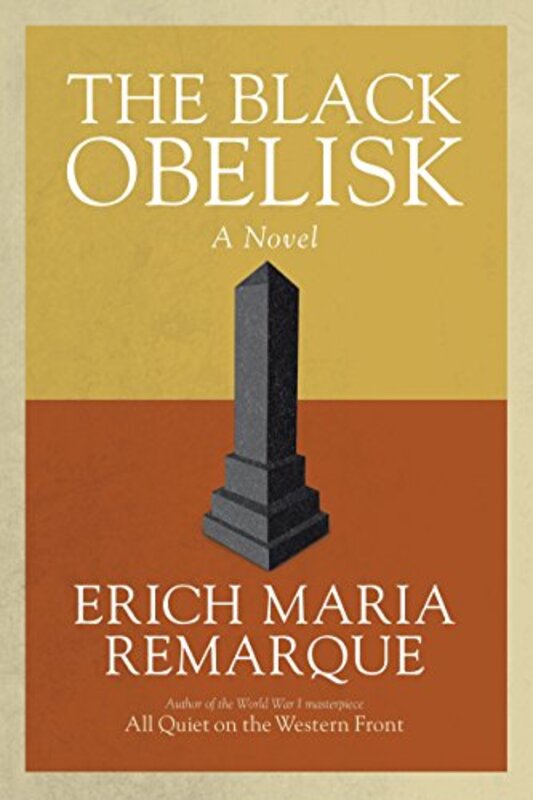
The Black Obelisk
by Erich Maria Remarque
1956
In inflation-era Germany, veteran Ludwig sells gravestones by day and searches for meaning everywhere else. His love for the troubled Isabelle unfolds against a society drifting toward bitterness, instability, and something darker.

Heaven Has No Favorites / Bobby Deerfield
by Erich Maria Remarque
1961
Race driver Clerfayt meets Lillian, a young woman determined to live fully though she is dying. Their restless journey across Europe becomes a love story haunted by time, illness, and risk.
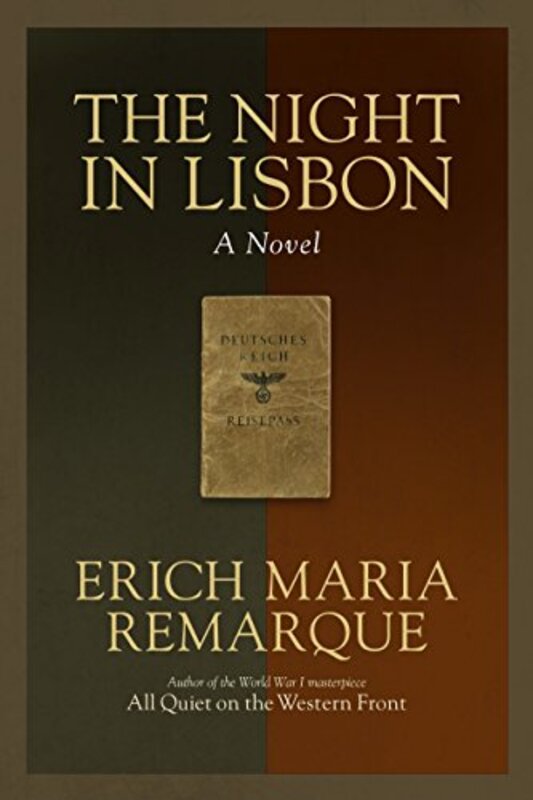
The Night in Lisbon
by Erich Maria Remarque
1962
In wartime Lisbon, a stranded refugee is offered two tickets to America by a stranger who asks only to tell his story. Over one long night, escape, love, and loss become inseparable.
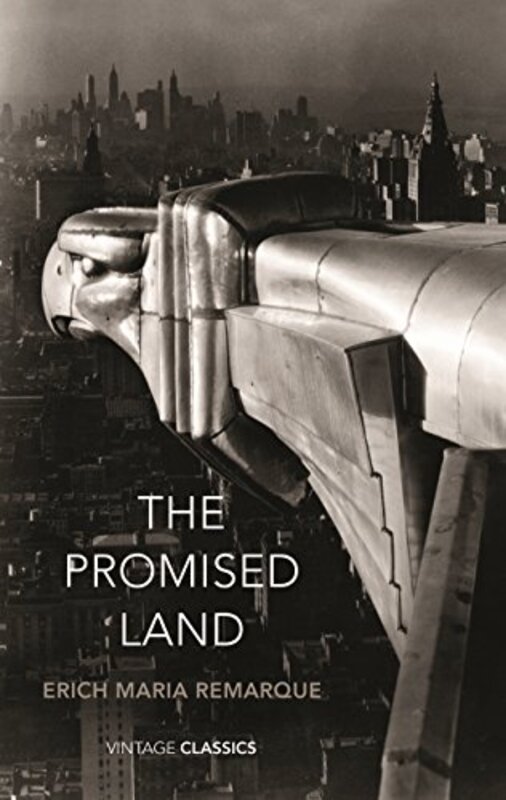
The Promised Land
by Erich Maria Remarque
1970
A refugee finally reaches New York and sees freedom at close range, only to discover that exile does not end at the harbor. In hotel lobbies, shops, and immigrant circles, the past keeps pressing into the present.

Shadows in Paradise
by Erich Maria Remarque
1971
In New York after surviving the Holocaust, Ross tries to build a life among fellow exiles and meets Natasha, a model who stirs hope and unease. Freedom is real, but survivor's guilt keeps old losses close.
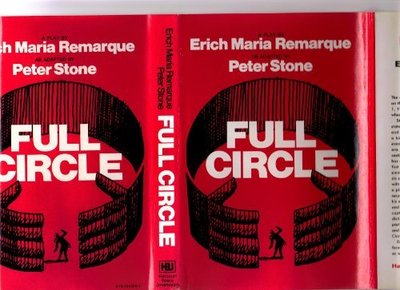
Full Circle
by Erich Maria Remarque
1974
Set in Berlin in April 1945, this play traps desperate people in a city coming apart at the end of the Third Reich. A small refuge becomes a place of fear, bargaining, and last-minute choices.

Eight Stories: Tales of War and Loss
by Erich Maria Remarque
2018
This collection gathers Remarque's shorter fiction about soldiers, widows, prisoners, and the wreckage war leaves behind. Across eight stories, he keeps his focus on grief, memory, kindness, and the long afterlife of conflict.
Where should I start?
If you want the essential starting point: All Quiet on the Western Front → The Road Back
If you want friendship and Weimar-era heartbreak: Three Comrades → The Black Obelisk
If you want refugees and exile: Arch of Triumph → The Night in Lisbon → Shadows in Paradise
If you want later wartime moral drama: A Time to Love and a Time to Die → Spark of Life
Author bio
Erich Maria Remarque was born Erich Paul Remark on June 22, 1898, in Osnabrück, Germany, and he grew up there in a working-class Catholic family. His father was a bookbinder, money was often tight, and that background stayed with him. He kept a lifelong eye on ordinary people caught in forces far larger than themselves.
As a young man he trained as a teacher, but the First World War cut across everything. Drafted in 1916, he reached the Western Front and was badly wounded by shell fragments in 1917. He spent the rest of the war in hospital, and the shock of that experience shaped nearly all of his best-known writing.
After the armistice, he did not step neatly into a literary life.
He taught for a while, then moved through a string of jobs, journalist, editor, technical writer, and more, trying to make a living in the unsettled years of the Weimar Republic. Those years gave him material, but they also gave him distance. He could begin to write about war not as patriotic legend, but as something that kept damaging people long after the fighting stopped.
That became the heart of All Quiet on the Western Front. Published in 1929 after newspaper serialization, the novel followed young soldier Paul Bäumer in a voice stripped of ceremony. Readers responded at once. The book became an international bestseller, and the 1930 film helped carry Remarque's story far beyond Germany.
Fame did not make his life simpler.
The Nazis attacked his work, banned and burned his books, and stripped him of German citizenship in 1938. Remarque had already moved to Switzerland in 1932, and in 1939 he left Europe for the United States. He became an American citizen in 1947, but exile never stopped being one of his central subjects.
You can see that in The Road Back, where veterans try and fail to slip into civilian life, and in Three Comrades, where friendship and love are tested in an unstable Germany between the wars. In Arch of Triumph and The Night in Lisbon, he turns to refugees, false papers, cheap hotels, border crossings, and the long wait for safety. Readers often come to Remarque for the same reasons: the clean, readable style, the emotional honesty, and the way he never pretties up violence.
He kept returning to people who had been pushed out of their old lives. That includes the concentration camp prisoners of Spark of Life, the soldier on leave in A Time to Love and a Time to Die, and the bitter postwar world of The Black Obelisk. His recurring figures are veterans, exiles, doctors, mechanics, drifters, and lovers trying to protect one small human bond while history keeps closing in.
After the Second World War, he spent much of his later life in Switzerland, especially at Porto Ronco on Lake Maggiore, while also keeping ties to New York. He lived there with his second wife, the actress Paulette Goddard, and died in Locarno in 1970. His books are still read because he never confused survival with victory.








Edited by
Software engineer whose passion for tracking book recommendations from podcasts inspired the creation of MRB.
Lead investor at 3one4 Capital whose startup expertise and love for books helped shaped MRB and its growth.
Comments
Did we miss something? Have feedback?
Help us improve this page by sharing your thoughts