
Edith Wharton Books in Order
Browse Edith Wharton's books in order, with quick summaries and guidance on where to start with her New York novels, ghost stories and other classics.
Last updated:
As an Amazon Associate, we earn from qualifying purchases (at no extra cost to you).
Edith Wharton books in publication order
118 books

Souls Belated
by Edith Wharton
1899
Traveling through Europe after leaving their spouses, a couple tries to live outside convention yet keeps tripping over it. This novella probes how hard it is to invent a new moral code when old habits of shame and pride remain.

The Duchess at Prayer and Other Stories
by Edith Wharton
1900
Collecting "The Duchess at Prayer" with other early tales, this volume moves from Italian castles to American parlors. The stories combine an interest in art and legend with sharp observation of marriage, money, and pride.
The Touchstone
by Edith Wharton
1900
Stephen Glennard, suddenly in need of money, secretly sells the private letters of a dead woman who once loved him, now celebrated as a great writer. His new prosperity and marriage are shadowed by guilt until the truth demands to be faced.
Crucial Instances
by Edith Wharton
1901
This collection of seven stories follows people caught at the moment when a single decision will fix the course of a life. Art, memory, and desire collide in tales that move from Italian palaces to New York parlors and quiet provincial streets.

The Lady's Maid's Bell
by Edith Wharton
1902
A new lady’s maid arrives at a gloomy country house and senses that her predecessor still keeps a watch from beyond the grave. This classic ghost story builds unease from whispered warnings and things that go unanswered in the night.

The Quicksand
by Edith Wharton
1902
In this short story, a seemingly secure life begins to give way under the weight of half truths and social pressure. Wharton shows how a single reckless step into moral "quicksand" can pull a person further down than they ever expected.
The Valley of Decision
by Edith Wharton
1902
Set in an eighteenth century Italian principality, this historical novel follows a young nobleman who inherits power and tries to remake his small state along Enlightenment lines. As revolt, church politics, and love intrude, he learns how costly idealism can be.

Sanctuary
by Edith Wharton
1903
Kate Peyton marries a charming but weak man, hoping her own strength will shelter their child from his flaws. Years later her grown son, now an architect, brings her a professional and moral dilemma that tests what a mother should protect and what she must expose.
The Descent of Man, and Other Stories
by Edith Wharton
1903
In these early stories, Wharton uses satire and irony to explore how new scientific theories, literary fame, and social ambition unsettle comfortable lives. Professors, writers, and would-be moderns find that clever ideas are easier than honest behavior.
Italian Villas and Their Gardens
by Edith Wharton
1904
Blending travel writing and design criticism, this book tours famous and little known Italian villas and gardens. Wharton explains how terraces, fountains, and planted alleys work with the landscape, offering principles readers can adapt rather than a mere catalogue of sights.

The Mission of Jane
by Edith Wharton
1904
A child left at an orphanage becomes the unexpected "mission" of a comfortable couple who takes her in. As Jane grows up, Wharton gently exposes the parents’ mixed motives and the limits of good intentions.

The Other Two
by Edith Wharton
1904
A newly married businessman gradually meets his wife's former husbands and finds himself oddly indebted to each. The story is a wry look at divorce, habit, and how well it is really possible to know the person you marry.
Italian Backgrounds
by Edith Wharton
1905
These travel essays record Wharton’s journeys through less familiar parts of Italy, from hill towns to quiet churches and remote estates. She looks past guidebook highlights to the "background" of local art, landscape, and daily life that shapes the country’s character.
The House of Mirth
by Edith Wharton
1905
Beautiful, witty Lily Bart moves through Gilded Age New York trying to secure a wealthy husband before age and scandal close in. Surrounded by gossip, debt, and bad choices, she discovers how little room society leaves a woman who will not simply obey its rules.
Recommended by
2 people Chelsea Handler recommended this book
Chelsea Handler
"A timeless story we have seen play out for hundreds of years — yet, it feels like it would only apply to modern day society in the form of a Kardashian." - Chelsea Handler
Chelsea Handler's recommendation of this book  Mindy Kaling recommended this book
Mindy Kaling
"I read [this book] in 9th grade, and [it] completely changed my life." - Mindy Kaling
Mindy Kaling's recommendation of this book

Madame de Treymes
by Edith Wharton
1907
An American man in Paris hopes to free the woman he loves from an unhappy marriage with a French aristocrat. Negotiating with her subtle sister in law, Madame de Treymes, he discovers how honor, family pride, and self interest twist even well meant bargains.

The Fruit of the Tree
by Edith Wharton
1907
In a New England mill town, reform minded manager John Amherst marries wealthy Bessy Westmore, hoping to improve brutal working conditions. When an accident and a mercy killing entangle Bessy’s friend Justine, the novel confronts industrial injustice, love, and the ethics of ending suffering.
A Motor-Flight Through France
by Edith Wharton
1908
Wharton’s account of touring France by car at the dawn of motoring turns roads and villages into an adventure. Free from fixed train routes, she approaches cathedrals, chateaus, and small towns from unexpected angles, rediscovering a landscape already being changed by modern travel.

Artemis to Actaeon and Other Verses
by Edith Wharton
1909
This volume gathers Wharton’s poems, many inspired by classical myth and by quiet moments of love, loss, and memory. The verses offer a more intimate, lyrical counterpoint to the hard edges of her fiction.

The Bolted Door
by Edith Wharton
1909
This psychological tale follows a man haunted by the suspicion that he has committed a crime no one can prove. The "bolted door" between his conscious life and his buried fears grows thinner with each turn of the plot.

The Daunt Diana and Other Stories
by Edith Wharton
1909
Anchored by "The Daunt Diana," about a mysterious portrait and its owner, this collection gathers several shorter pieces. Art, vanity, and the stories people build around beautiful objects link the tales.

Afterward
by Edith Wharton
1910
An American couple buys an English country house precisely because its ghost is said to be subtle enough to go unnoticed. Only long afterward do they realize what they have really seen, in one of Wharton’s most quietly devastating ghost stories.

Collected Stories, 1891-1910
by Edith Wharton
1910
Bringing together Wharton’s early short fiction, this volume ranges from her first published pieces to the ghostly and ironic tales of *Tales of Men and Ghosts*. It is an easy way to watch her style sharpen over two crowded decades.
Tales of Men and Ghosts
by Edith Wharton
1910
Ten stories mix worldly irony with the uncanny, following speculators, writers, and lovers who stumble into hauntings of their own making. Whether the ghosts are literal or psychological, each tale probes what guilt and desire leave behind.

The Cruise of The Vanadis
by Edith Wharton
1910
Wharton’s earliest surviving travel journal records a luxurious cruise through the Mediterranean and Aegean. Her notes on islands, ruins, and shipboard life foreshadow the travel writing and architectural eye of her later books.

The Eyes
by Edith Wharton
1910
Over a long evening, an older man tells friends about the uncanny pair of eyes that has appeared to him at key moments in his life. The story uses this recurring vision to explore buried guilt and the stories people invent to excuse themselves.

Ethan Frome
by Edith Wharton
1911
In the bleak village of Starkfield, Ethan Frome is trapped in a loveless marriage to the sickly Zeena while secretly loving her cousin Mattie. One desperate winter night on a sled turns forbidden longing into a lifelong punishment.
Recommended by
1 person Caterina Fake recommended this book
Caterina Fake
Caterina Fake mentioned this book on "The Tim Ferriss Show" podcast.
Caterina Fake's recommendation of this book

Ethan Frome and Other Short Fiction
by Edith Wharton
1911
This edition pairs the bleak New England novella *Ethan Frome* with selected shorter works. The accompanying stories extend its concerns with duty, frustrated love, and the hard grip of place on people’s lives.
The Reef
by Edith Wharton
1912
Widow Anna Leath plans to marry an old lover, diplomat George Darrow, only to discover that her young governess has a hidden past with him. Set in Paris and a French country house, the novel turns on divided loyalties and the difficulty of forgiving what cannot be undone.
The Custom of the Country
by Edith Wharton
1913
Undine Spragg, a beautiful Midwestern girl, storms New York and Europe determined to have the life she thinks she deserves. Through a string of marriages and divorces she treats people as stepping stones, exposing the emptiness beneath both new money and old titles.

The Muse's Tragedy and Other Stories
by Edith Wharton
1914
Opening with "The Muse’s Tragedy," about a woman famous as a poet’s inspiration, this collection considers what it costs to live in someone else’s shadow. The other stories continue Wharton’s fascination with art, reputation, and private feeling.
Bunner Sisters
by Edith Wharton
1916
In a shabby New York shop, sisters Ann Eliza and Evelina sell small goods and dream of something better. When a quiet German clockmaker enters their lives, hope, love, and sacrifice slowly pull the sisters in different directions with heartbreaking results.

Kerfol
by Edith Wharton
1916
Visiting an old Breton manor, a traveler hears the legend of a jealous husband, his young wife, and a pack of uncanny dogs. Blending courtroom testimony and ghostly revenge, the story suggests that cruelty can echo for centuries.

Madame de Treymes and Three Novellas
by Edith Wharton
1916
This volume brings together *Madame de Treymes* with three other shorter works set largely in Europe. Each novella explores clashes between American expectations and Old World codes in matters of marriage, money, and personal freedom.

The Book of the Homeless
by Edith Wharton
1916
Edited by Wharton during World War I, this anthology gathers essays, poems, art, and music by leading European and American figures. Proceeds originally supported civilian refugees, and the book remains a snapshot of cultural solidarity in wartime.

Xingu
by Edith Wharton
1916
In this sharp comedy, a pretentious ladies’ lunch club is thrown into confusion when a visiting author mentions something called "Xingu." Too proud to admit their ignorance, the members tie themselves in knots trying to prove they already know all about it.

Xingu and Other Stories
by Edith Wharton
1916
Here the biting comedy "Xingu" is joined by a range of other pieces about book clubs, marriages of convenience, and social pretenders. The collection highlights Wharton’s lighter touch without losing her moral edge.
Summer
by Edith Wharton
1917
Charity Royall, restless and poor, longs to escape her small New England town when a visiting architect awakens her desire. As their affair leads to pregnancy and hard choices, Wharton traces a young woman’s sexual and moral awakening without easy consolation.
The Marne
by Edith Wharton
1918
A young American who once spent happy summers in France longs to help when war breaks out. Too young at first to enlist, he later returns as a Red Cross ambulance driver at the Second Battle of the Marne, forcing him to face the cost of the loyalty he romanticized.
French Ways and Their Meaning
by Edith Wharton
1919
Written during and after the First World War, this short book explains everyday French habits, values, and manners to American readers. Wharton contrasts ideas about family, work, taste, and honesty, arguing that France’s strengths go far beyond battlefield heroism.
In Morocco
by Edith Wharton
1919
Based on a month long journey at the end of World War I, this travel narrative leads readers through Moroccan cities, ceremonies, and landscapes. Wharton records what she sees with an eye for architecture and ritual at a moment when an old world is beginning to change.

Edith Wharton Abroad
by Edith Wharton
1920
A selection of Wharton’s travel writing from several decades, this volume ranges from Italian hill towns to the French front in World War I. The pieces show how closely her feeling for place is tied to her sense of history, art, and everyday detail.
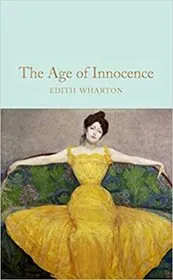
The Age of Innocence
by Edith Wharton
1920
In 1870s New York, lawyer Newland Archer is engaged to dutiful May Welland when her unconventional cousin, Countess Ellen Olenska, returns from Europe in quiet disgrace. His attraction to Ellen forces him to choose between passion and the suffocating loyalties of Old New York.
Recommended by
1 person Ta-Nehisi Coates recommended this book
Ta-Nehisi Coates
"Again, I like this book for its willingness to embrace the tragic. No happy endings. The book is a defense of elitism, something I guess I oppose. But I found it credible, here." - Ta-Nehisi Coates
Ta-Nehisi Coates's recommendation of this book
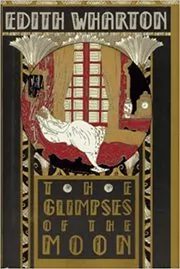
The Glimpses Of The Moon
by Edith Wharton
1922
Newlyweds Nick Lansing and Susy Branch, long on charm but short on cash, agree to live off the hospitality of rich friends and to part amicably if a better match appears for either of them. Their clever bargain is tested when real love and jealousy complicate the plan.
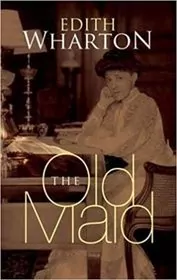
The Old Maid
by Edith Wharton
1922
Set in mid nineteenth century New York, this novella centers on Charlotte Lovell, who secretly bears a child, and her cousin Delia, who adopts the girl and passes her off as her own. Years of shared deception bind and poison their relationship as the daughter grows up.
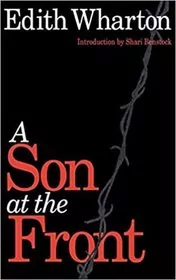
A Son at the Front
by Edith Wharton
1923
In wartime Paris, portrait painter John Campton watches his only son be claimed by two fathers, himself and the boy’s wealthy stepfather, and then by the army. The novel follows the strain of loving someone sent to the front and the unequal sacrifices made on the home front.
False Dawn
by Edith Wharton
1924
In the 1840s, eager young Lewis Raycie is sent to Europe to buy fashionable paintings that will secure his father’s legacy. Guided instead by new ideas about art, he returns with unknown works that scandalize his family and alter his own fate.
New Year's Day
by Edith Wharton
1924
Told in retrospect, this *Old New York* novella revisits a long whispered scandal involving a married woman seen fleeing a hotel fire with another man. As an older observer learns more, the story becomes a meditation on misjudgment, loyalty, and the price of appearances.

Old New York
by Edith Wharton
1924
This book collects the four Old New York novellas, each set in a different nineteenth century decade. Together they chart shifting codes of art, love, and respectability in the same close knit circle that later appears in *The Age of Innocence*.
The Spark
by Edith Wharton
1924
One of the *Old New York* novellas, this story traces how a seemingly ordinary young man is quietly transformed by a brief encounter with poet Walt Whitman during the Civil War. Years later, that memory gives him the courage to act when decency is at stake.
The Mother's Recompense
by Edith Wharton
1925
After twenty years of self imposed exile on the Riviera, Kate Clephane is called back to New York by the daughter she once abandoned. When she discovers the young woman plans to marry the man Kate herself once loved, mother love and desire collide in a painful choice.
The Writing of Fiction
by Edith Wharton
1925
Drawing on her long experience, Wharton lays out clear, practical thoughts on how short stories and novels work. She discusses structure, character, and technique, using examples from classic authors to show how crafted fiction can move readers without tricks or shortcuts.

A Bottle of Perrier
by Edith Wharton
1926
In a remote desert house, a visiting Englishman notices small oddities in the behavior of his taciturn servant. A simple bottle of mineral water becomes the key to a tense mystery about loyalty, madness, and survival.

Here and Beyond
by Edith Wharton
1926
This collection mixes realistic and supernatural stories, some set firmly in New York and others shading into the uncanny. The "here" and the "beyond" in the title suggest both social boundaries and the thin line between life and what may follow it.

The Triumph of Night and Other Tales
by Edith Wharton
1927
Gathering "The Triumph of Night" with other ghostly and psychological pieces, this volume presents Wharton’s colder, more wintry tales. Snowy landscapes, lonely houses, and sudden revelations link the stories.
Twilight Sleep
by Edith Wharton
1927
Set in Jazz Age New York, this novel follows an over scheduled philanthropist, her drifting husband, their restless daughter, and a circle of friends chasing painless solutions to every problem. Divorce, spiritual fads, and cosmetic fixes become symptoms of a deeper refusal to face reality.
The Children
by Edith Wharton
1928
Engineer Martin Boyne meets seven lively Wheater children, step and half siblings shuttled between divorced parents around Europe. Drawn into their schemes to stay together, he finds his affections shifting from an old love to the eldest girl, raising troubling questions about love and responsibility.
Hudson River Bracketed
by Edith Wharton
1929
This novel follows Vance Weston, a young Midwestern writer, as he discovers the Hudson Valley, an eccentric old house, and the literary world of New York. His ambitions and relationships force him to weigh artistic integrity against comfort, reputation, and the pull of the past.

Certain People
by Edith Wharton
1930
A late collection of six stories, *Certain People* ranges from drawing room tension to the uncanny. Each tale turns on a social misstep, an old obsession, or a half acknowledged fear that reveals more about its "certain" circle than they ever intend.
The Gods Arrive
by Edith Wharton
1932
A sequel to *Hudson River Bracketed*, this novel follows Vance Weston and Halo Tarrant as they try to build a life together in Europe and New York. Success, money troubles, and old ties test whether artistic vocation and shared ideals are enough to sustain their unconventional union.

Human Nature
by Edith Wharton
1933
This collection gathers later stories in which Wharton examines jealousy, aging, and small acts of betrayal with a cool eye. Set in postwar drawing rooms, ships, and hotels, the tales show how "human nature" stubbornly resists the ideals people claim to live by.
A Backward Glance
by Edith Wharton
1934
Wharton’s memoir looks back on the places and people that shaped her rather than offering a confessional diary. She recalls Old New York, The Mount, her life in France, and friendships with writers such as Henry James, giving readers a companion to the worlds of her fiction.

Novellas and Other Writings
by Edith Wharton
1934
A substantial omnibus, this volume collects several of Wharton’s novellas along with essays and shorter pieces. It is designed for readers who want a broad sampling of her middle length fiction beyond the best known novels.
Roman Fever and Other Stories
by Edith Wharton
1934
Centered on the famous tale "Roman Fever," in which two old friends in Rome revisit a youthful rivalry, this volume collects some of Wharton’s finest shorter fiction. The stories probe friendship, adultery, and long hidden secrets with a few deft strokes.
The New York Stories of Edith Wharton
by Edith Wharton
1934
Selected from across her career, these stories return to the brownstones, boarding houses, and offices of New York. Together they trace the city’s shift from gaslit parlors to modern skyscrapers while keeping a sharp focus on who wins and who loses in that changing world.

The Reckoning And Other Stories
by Edith Wharton
1934
Centered on the marital bargain of "The Reckoning," this collection presents stories in which women test the limits of the roles offered to them. Freedom, once granted, turns out to be more complicated than anyone expects.

The Ghost-Feeler
by Edith Wharton
1935
In the title story, a man with an unusual sensitivity to unseen presences becomes entangled in another family’s secrets. The volume as a whole offers a compact introduction to Wharton’s way of linking ghostly impressions to buried wrongdoing.

Collected Stories, 1911-1937
by Edith Wharton
1937
Covering her later decades, this volume gathers stories written during and after World War I. The settings range from Fifth Avenue apartments to European spas, with themes of aging, memory, and the long shadows of earlier choices.

The Collected Stories
by Edith Wharton
1937
This large collection brings together many of Wharton’s best stories from across her career, including classics of society, ghostly unease, and New England hardship. It is a one volume tour of her shorter work.
The Ghost Stories of Edith Wharton
by Edith Wharton
1937
This anthology gathers many of Wharton’s finest tales of the supernatural, including "Kerfol," "Afterward," and "Mr. Jones." The ghosts rarely shriek; instead they embody guilt, neglect, or buried history, bringing a slow chill to otherwise polished social settings.
The Buccaneers
by Edith Wharton
1938
Wharton’s final, unfinished novel follows a group of exuberant American "buccaneer" heiresses who cross the Atlantic in search of titled husbands. As they crash into English aristocratic life, the story questions what marriage, money, and freedom will finally mean for them.

Eternal Passion In English Poetry
by Edith Wharton
1939
Here Wharton turns anthologist, selecting and commenting on English poems that treat love and desire. The book reflects her taste as a reader and offers a window onto the poetic tradition that shaped her own language.

The Best Short Stories of Edith Wharton
by Edith Wharton
1958
Choosing from dozens of tales, this volume highlights Wharton’s finest short fiction, from New York society pieces to eerie ghost stories. It is a handy starting point for readers who know only the major novels.

Stories of Edith Wharton, Volume 2
by Edith Wharton
1993
Volume 2 of this set continues the chronological selection of Wharton’s stories, moving into her mature and late work. The pieces show her sharpening interest in divorce, travel, and the unease just beneath comfortable surfaces.

The Stories of Edith Wharton, Volume 1
by Edith Wharton
1993
Volume 1 presents early and middle period stories, including many that established Wharton’s reputation. Readers can watch her move from drawing room comedy to the colder ironies of *Ethan Frome* and the ghost tales.

A Venetian Night's Entertainment
by Edith Wharton
2000
Set in Venice, this short tale follows a traveler drawn into a web of charm, self deception, and perhaps the supernatural. Wharton plays with the city’s reputation for masked pleasures and half seen dangers.

The Reckoning
by Edith Wharton
2000
A modern wife proudly negotiates a marriage that allows both partners freedom, only to discover that freedom cuts both ways. When her husband invokes the same terms, she faces an emotional reckoning she never anticipated.

Ethan Frome and Selected Stories
by Edith Wharton
2004
This edition pairs *Ethan Frome* with a group of shorter works that echo its themes of isolation, moral conflict, and harsh landscapes. It is a compact introduction to Wharton’s darker side.

In Trust
by Edith Wharton
2004
This story centers on a woman who has entrusted her future to the judgment of others, only to find those guardians pursuing their own interests. Wharton dissects the quiet pressures that can make "trust" another word for control.

The Best Man
by Edith Wharton
2004
On the eve of a fashionable wedding, an unexpected revelation forces the supposed "best man" to decide where his loyalty really lies. Honor, friendship, and self interest collide in a few pressured hours.
The Hermit and the Wild Woman and Other Stories
by Edith Wharton
2004
This collection brings together shorter pieces in which solitary figures, disappointed lovers, and social outsiders are pushed into defining moments. The title story, set in a medieval landscape, stands beside more modern tales of compromise and escape.

The Introducers
by Edith Wharton
2004
In this satirical sketch, professional "introducers" broker social connections between ambitious Americans and the European circles they long to enter. The business of arranging acquaintance becomes a commentary on snobbery and the price of climbing.

The Last Asset
by Edith Wharton
2004
A worldly American in Paris is asked to rescue a young girl’s marriage prospects by hiding her father’s disgrace. The story turns on reputation as a family’s "last asset," and what it costs to shore it up.

The Recovery
by Edith Wharton
2004
After a serious illness, a man rejoins society only to find that his closest relationships have shifted in his absence. The tale explores what can and cannot be "recovered" once time and self knowledge have done their work.

The Refugees
by Edith Wharton
2004
This story follows people displaced from their familiar world, whether by war, scandal, or personal failure, who seek shelter in a new setting. Wharton is less interested in politics than in how exile reshapes identity and attachment.

The Rembrandt
by Edith Wharton
2004
A widowed gentlewoman clings to what she believes is a valuable Rembrandt painting as her final protection against poverty. When experts and opportunists begin circling, Wharton exposes the mix of pride, self delusion, and genuine feeling behind her resolve.

The Seed of the Faith
by Edith Wharton
2004
A clergyman and those around him wrestle with how much of an inherited belief can change before it ceases to be itself. Wharton uses their conflict to ask what, if anything, is the lasting "seed" at the heart of a faith.

Edith Wharton
by Edith Wharton
2005
This Library of America style volume brings together several major novels and stories in a single authoritative edition. It is intended as a durable core collection for readers building a Wharton library.

Fast And Loose
by Edith Wharton
2006
An early, once unpublished society novel, *Fast and Loose* sketches flirtations, gossip, and mixed motives among rich Americans at play. It shows Wharton learning how to turn light comedy about engagements and misunderstandings into something sharper.

The Early Short Fiction of Edith Wharton - Part 2
by Edith Wharton
2006
Part 2 of the early short fiction collects additional stories from Wharton’s first decade as a writer. These pieces reveal her experimenting with voice and structure while already preoccupied with marriage, money, and mismatched expectations.
The Decoration of Houses
by Edith Wharton
2007
Written with architect Ogden Codman Jr., this classic design manual argues for rooms planned around proportion, light, and architectural detail instead of heavy Victorian clutter. Wharton urges readers to see decoration as an extension of the house’s structure, not as mere surface.

Coming Home And Other Stories
by Edith Wharton
2008
War and peace form the backdrop of these stories about people returning to homes that are no longer quite the same. Wharton looks at soldiers, families, and exiles who must renegotiate their place after upheaval.

His Father's Son and Other Stories
by Edith Wharton
2008
These stories revolve around inheritance, both of money and of character. Sons and daughters discover what it means to be "their father's child" when faced with choices about work, loyalty, and love.

Margaret of Cortona and Other Stories
by Edith Wharton
2008
The title piece reimagines the life of a medieval penitent, while the accompanying stories move through more modern settings. Together they consider sin, repentance, and the stories societies tell about "fallen" women.

Mr. Jones
by Edith Wharton
2008
A new owner of a remote English house finds the servants curiously devoted to the unseen steward, Mr. Jones. As she probes the household’s routines, Wharton slowly reveals whether this invisible presence is living, dead, or something in between.

Mrs. Manstey's View and Other Stories
by Edith Wharton
2008
The title story portrays an elderly widow whose joy in life is the view from her rear window, threatened by new building plans. The surrounding tales likewise find drama in small lives and overlooked corners of the city.

The Blond Beast and Other Stories
by Edith Wharton
2008
Taking its title from a story about predatory charm, this volume gathers tales in which attractive figures use others as prey. Behind the polite settings, Wharton tracks cruelty, vanity, and the excuses people make for both.

The Dilettante and Other Stories
by Edith Wharton
2008
In "The Dilettante" and its companion tales, cultured talkers and half committed lovers shy away from hard decisions. Wharton shows how charming hesitation can shade into selfishness.

The Greater Inclination
by Edith Wharton
2008
Wharton’s first collection of fiction gathers eight early stories, including "The Muse’s Tragedy" and "Souls Belated." They already show her interest in mismatched marriages, artists and their patrons, and the small choices that bind people more tightly than they expect.

The Last Asset and Other Stories
by Edith Wharton
2008
Built around "The Last Asset," this collection explores reputation as a kind of currency. Ruined financiers, compromised wives, and shrewd go betweens all gamble with the one thing they have left to trade.

The Mission of Jane and Other Stories
by Edith Wharton
2008
Centered on "The Mission of Jane," this book collects stories about children who unexpectedly reshape the adults around them. Whether adopted, abandoned, or simply inconvenient, they reveal hidden motives in the families that take them in.
Where to start with Edith Wharton
If you want her classic New York society novels: The House of Mirth → The Age of Innocence → The Custom of the Country
If you prefer stark, tragic love stories: Ethan Frome → Summer → Bunner Sisters
If you enjoy ghostly or uncanny fiction: Tales of Men and Ghosts → Ghosts → Roman Fever and Other Stories
If you like travel and cultural commentary: Italian Villas and Their Gardens → A Motor-Flight Through France → In Morocco → Fighting France
If you want later, more modern settings: The Glimpses Of The Moon → Twilight Sleep → The Children → Hudson River Bracketed
Edith Wharton sub-series and character series
Edith Wharton collections, short stories, and related book types
Short Stories/Novellas
Collections
Non-Fiction
Standalone Edith Wharton books
Author bio
Edith Wharton was born Edith Newbold Jones in New York City on January 24, 1862, into a wealthy family whose name helped inspire the phrase "keeping up with the Joneses." As a child she moved between Manhattan, Newport, and long stays in Europe, absorbing languages, architecture, and manners that would later fill her fiction. She read voraciously in her father's library and began writing stories and verses early, even while the world around her expected a quiet debutante, not a working writer.
In 1885 she married Edward "Teddy" Wharton, a Boston businessman and sportsman who shared her love of travel. The couple divided their time between New York, Newport, and extended trips abroad. Wharton was as interested in houses as in books. With architect Ogden Codman Jr. she wrote The Decoration of Houses, a plainspoken guide that argued for simple classical lines instead of heavy Victorian clutter. A few years later she designed and built The Mount in Lenox, Massachusetts, a country house whose proportions and terraces reflected the design principles she championed.
Fiction gradually moved to the center of her life. Her first collection, The Greater Inclination, showed publishers that her stories about art, love, and compromise had an audience. A historical novel, The Valley of Decision, followed, but advice from friends pushed her toward the material she knew best: the small, privileged world of "old" New York. With The House of Mirth in 1905 she created Lily Bart and, with her, a clear, unsentimental portrait of how money, gossip, and gender expectations could destroy a woman who never quite learns to play by the rules.
Over the next decade Wharton kept widening her range. She wrote the New England tragedy Ethan Frome, the Paris novel The Reef, and The Custom of the Country, which tracks ruthless social climber Undine Spragg through a series of marriages. Side by side with the New York novels came Italian travel books, ghost stories, and shorter tales about shopgirls, failed marriages, and people who do the right thing too late.
By 1911 Wharton had left The Mount and settled largely in France. When the First World War broke out she refused to leave Paris, instead organizing workrooms for unemployed women, hostels and schools for refugees, and visiting the front lines to report on conditions. Her war writings, later gathered in books such as Fighting France and The Marne, helped raise money and attention, and the French government awarded her the Legion of Honor for her efforts.
After the war she turned back to the New York of her youth in The Age of Innocence, set in the 1870s but written from the perspective of a world shattered by 1914. The novel, with its quiet triangle between Newland Archer, May Welland, and Ellen Olenska, won the 1921 Pulitzer Prize for fiction and made her the first woman to receive the award. Around the same time she published the linked novellas of Old New York, tracing earlier generations of the same society.
Her later career remained busy. Novels such as The Mother's Recompense, Twilight Sleep, and The Children took on divorce, parenting, and the new freedoms and emptiness of the Jazz Age. In Hudson River Bracketed and its sequel The Gods Arrive she followed an aspiring writer through the literary and social worlds she knew so well. She kept writing short stories, experimenting with ghostly tales and sharply observed miniatures, and she returned to travel in books like In Morocco.
In 1923 Wharton received an honorary doctorate from Yale and later became a full member of the American Academy of Arts and Letters, quiet signs of how far a woman raised to host drawing rooms had come. Her memoir A Backward Glance looks back less at her own emotions than at the houses, cities, and friendships, notably with Henry James, that shaped her imagination.
Wharton spent her final years in the French countryside, continuing to write and garden. She died on August 11, 1937, at her home near Paris and was buried in Versailles. Readers still turn to her for her cool, exact sense of how people live inside social conventions, and for the way she lets rooms, clothes, and small gestures tell the truth long before her characters are ready to face it.









Edited by
Software engineer whose passion for tracking book recommendations from podcasts inspired the creation of MRB.
Lead investor at 3one4 Capital whose startup expertise and love for books helped shape MRB and its growth.
Comments
Did we miss something? Have feedback?
Help us improve this page by sharing your thoughts