
Barbara Kingsolver Books in Order
Browse all Barbara Kingsolver books in order, with summaries and series details. Discover where to start with her novels, essays, and poetry.
Last updated:
As an Amazon Associate, we earn from qualifying purchases (at no extra cost to you).
Barbara Kingsolver books in publication order
31 books
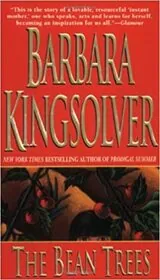
The Bean Trees
by Barbara Kingsolver
1988
Taylor Greer leaves Kentucky in a beat-up car, determined to avoid pregnancy and a quiet life. But when a stranger leaves a small child in her care, she heads to Arizona. There, she finds an unexpected community and a new definition of family.
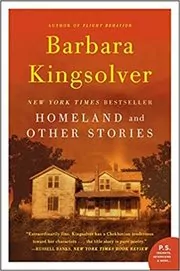
Homeland
by Barbara Kingsolver
1989
A collection of twelve short stories set in places ranging from the Caribbean to the American Southwest. These tales explore the bonds of family, the struggle to fit in, and the resilience of ordinary people facing difficult choices.
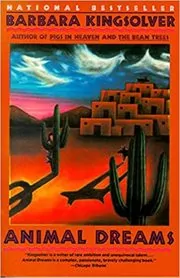
Animal Dreams
by Barbara Kingsolver
1990
Codi Noline returns to her hometown of Grace, Arizona, to care for her father, who is losing his battle with Alzheimer's. While confronting her past, she gets involved in a local fight to save the town's water from a mining company's pollution.
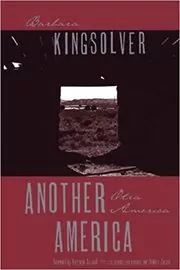
Another America
by Barbara Kingsolver
1992
In this collection of poetry, Kingsolver explores themes of war, exile, and social justice. The poems focus largely on the struggles of women in Central America and the U.S., blending political outrage with deep personal empathy.
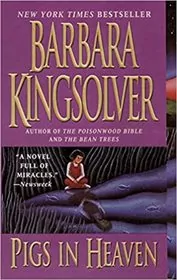
Pigs in Heaven
by Barbara Kingsolver
1993
The sequel to *The Bean Trees*. Taylor and her adopted daughter Turtle face a legal challenge from the Cherokee Nation. A young lawyer questions the adoption, forcing Taylor to confront the complexities of heritage and the Indian Child Welfare Act.
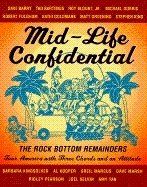
Mid-life Confidential
by Dave Marsh, Stephen King, Kathi Kamen Goldmark, Al Cooper, Ridley Pearson, Roy Blount Jr., Joel Selvin, Amy Tan, Dave Barry, Tad Bartimus, Matt Groening, Greil Marcus, Tabitha King, Barbara Kingsolver & Michael Dorris
1994
A collaborative tour chronicle by the Rock Bottom Remainders, a band of prominent writers who temporarily exchanged desks for stages. Anecdotes from the members and photographs by Tabitha King recount their first American rock-and-roll tour, its mishaps, friendships, and performances.
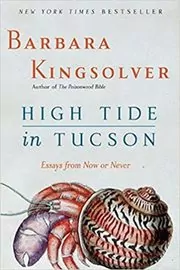
High Tide in Tucson
by Barbara Kingsolver
1995
A collection of essays that use the metaphor of a transplanted hermit crab to explore how humans adapt. Kingsolver writes about family, nature, and community, mixing humor with observations on modern life and her background as a biologist.
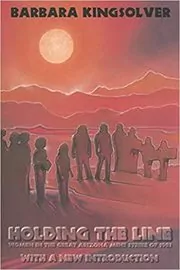
Holding the Line
by Barbara Kingsolver
1996
A non-fiction account of the Great Arizona Mine Strike of 1983. Kingsolver documents the role of women—miners' wives and daughters—who held the picket lines for eighteen months, transforming their community and themselves in the process.
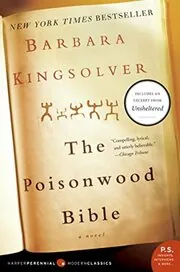
The Poisonwood Bible
by Barbara Kingsolver
1998
An evangelical Baptist minister takes his wife and four daughters to the Belgian Congo in 1959. As the country fights for independence, the family unravels. Narrated by the five women, this is a powerful story of cultural arrogance, guilt, and survival.
Recommended by
2 people Hillary Clinton recommended this book
Hillary Clinton
"One of the most powerful books I've read about the evil consequences of patriarchal oppression, be it personal, cultural or political." - Hillary Clinton
Hillary Clinton's recommendation of this book  Oprah Winfrey recommended this book
Oprah Winfrey
Oprah Winfrey recommended this book in "Oprah's Book Club."
Oprah Winfrey's recommendation of this book
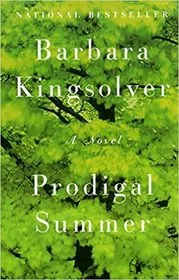
Prodigal Summer
by Barbara Kingsolver
2000
Three stories weave together in the mountains of southern Appalachia. A reclusive biologist, a young widow, and an elderly neighbor find their lives connecting over the course of a humid summer. A celebration of nature, biology, and human attraction.
The Eloquent Essay
by John Loughery, Barbara Kingsolver & Amy Tan
2000
Edited by John Loughery, this chronological anthology presents seventeen twentieth-century examples of classic and creative nonfiction. It ranges across arguments, personal narratives, open letters, anecdotes, and other essay forms, with work by writers including Orwell, Didion, King, Tan, Kingsolver, and Sagan.
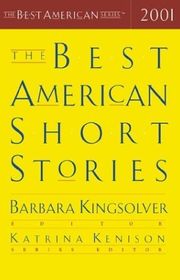
The Best American Short Stories 2001
by Barbara Kingsolver & Katrina Kenison
2001
Barbara Kingsolver serves as guest editor for this annual selection of twenty American short stories, with Katrina Kenison as series editor. The volume combines established and emerging writers, including Alice Munro, John Updike, Dorothy West, Ha Jin, and Andrea Barrett.
Writers on Writing
by Various, Barbara Kingsolver, Carl Hiaasen & Louise Erdrich
2001
Edited by John Darnton, this volume gathers essays from The New York Times’s “Writers on Writing” series. Established authors reflect on the creative and practical work of writing, reading, literary influences, and the relationship between art and lived experience.
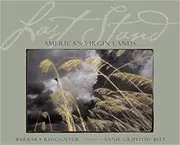
Last Stand
by Barbara Kingsolver
2002
A collaboration with photographer Annie Griffiths Belt. Kingsolver provides the text for this celebration of America's last remaining wild places, from the tundra to the tallgrass prairies, urging readers to protect these disappearing landscapes.
Small Wonder
by Barbara Kingsolver
2002
Written in the aftermath of 9/11, these essays look for hope in dark times. Kingsolver reflects on everything from vegetable gardening to genetic engineering, arguing that community and connection to the land are vital for survival.
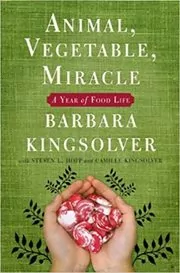
Animal, Vegetable, Miracle
by Barbara Kingsolver, Camille Kingsolver, Steven L. Hopp & Lily Hopp Kingsolver
2007
The true story of the Kingsolver family's attempt to eat only locally grown food for a year. They move to a farm in Virginia, grow their own vegetables, and raise animals, offering a funny and practical look at the local food movement.
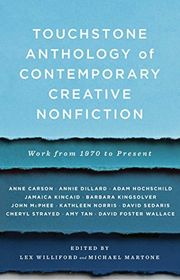
Touchstone Anthology of Contemporary Creative Nonfiction
by Lex Williford, Michael Martone, David Sedaris, Barbara Kingsolver & Amy Tan
2007
Edited by Lex Williford and Michael Martone, this anthology surveys creative nonfiction published from 1970 onward. Fifty writers contribute memoir, reportage, personal essays, and cultural criticism, including David Sedaris, Barbara Kingsolver, Amy Tan, Cheryl Strayed, and John McPhee.
The Maternal Is Political
by Kristin Rowe-Finkbeiner, Anne Lamott & Barbara Kingsolver
2008
Edited by Shari MacDonald Strong, this collection of more than forty literary essays examines motherhood as a force in social and political life. Its contributors write about family, work, war, misogyny, activism, and the choices through which mothers seek change.
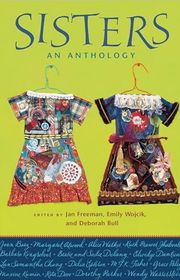
Sisters
by Jan Freeman, Emily Wojcik, Deborah Bull & Barbara Kingsolver
2009
Edited by Jan Freeman, Emily Wojcik, and Deborah Bull, this anthology gathers stories, memoirs, and poems about sisterhood. Its selections trace bonds shaped by affection, rivalry, loyalty, cruelty, grief, and shared history from childhood through old age.
The Lacuna
by Barbara Kingsolver
2009
Harrison Shepherd grows up in Mexico in the 1930s, working for Diego Rivera and Frida Kahlo. Years later in the U.S., he becomes a target of anti-communist investigations. A sweeping historical novel about art, politics, and the power of words.
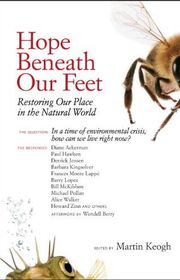
Hope Beneath Our Feet
by Martin Keogh & Barbara Kingsolver
2010
Edited by Martin Keogh, this environmental anthology brings together essays, meditations, and stories by activists, scientists, writers, and other contributors, including Barbara Kingsolver. It considers how people can respond to ecological crisis through practical action, community engagement, spiritual reflection, and sustained hope.
Flight Behavior
by Barbara Kingsolver
2012
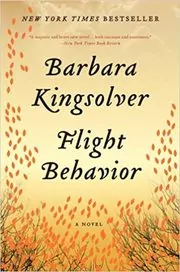
Dellarobia Turnbow, a restless farm wife in Tennessee, discovers millions of monarch butterflies nesting in her valley. The phenomenon attracts scientists and media, forcing her to confront the realities of climate change and her own unhappy marriage.
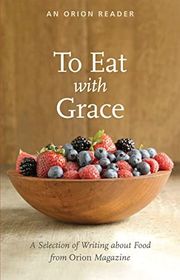
To Eat with Grace
by Orion Magazine Staff, Darra Goldstein, H. Emerson Blake & Barbara Kingsolver
2014
This Orion Magazine collection gathers essays and poems about food as a source of nourishment, culture, memory, and ecological connection. Contributors, including Barbara Kingsolver, explore foraging, gardening, cooking, animals, and the relationships linking eaters to land and to one another.
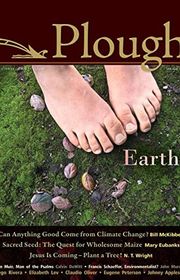
Plough Quarterly No. 4: Earth
by Bill McKibben, Eugene H. Peterson, N. T. Wright, Elizabeth Lev, Calvin DeWitt, Jane Tyson Clement, Wendell Berry, Barbara Kingsolver, John Reid Muir, Flannery O'Connor, Pope John Paul II & Peter Mommsen
2015
The fourth issue of Plough Quarterly considers how faith can shape care for the natural world. Essays, stories, art, interviews, and other pieces from scientists, farmers, writers, and artists examine environmental responsibility, agriculture, creation, and human relationships with the earth.
Way More than Luck
by Ben Wilkinson & Barbara Kingsolver
2015
A collection of commencement speeches offers graduates—and readers facing new beginnings—reflections on courage, empathy, risk, luck, responsibility, and purposeful living. Barbara Kingsolver’s 2008 Duke University address appears alongside talks by writers, artists, business leaders, and other public figures.
Letters to a Young Farmer
by Stone Barns Center for Food and Agriculture & Barbara Kingsolver
2017
This anthology offers letters and essays from farmers, chefs, writers, activists, and food-system thinkers to people beginning a life in agriculture. It addresses farming’s rewards and difficulties while considering soil, animals, community, livelihoods, and more sustainable ways of producing and eating food.
Unsheltered
by Barbara Kingsolver
2018
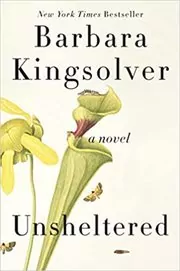
Two families live in the same house in Vineland, New Jersey, more than a century apart. In the 1870s, a science teacher champions Darwin; in 2016, a woman struggles with a crumbling foundation. A dual narrative about navigating chaotic times.
.jpg)
How to Fly
by Barbara Kingsolver
2020
A collection of poems that offer instructions on everything from shearing sheep to accepting grief. Kingsolver reflects on family, the natural world, and the messy business of being alive.
Demon Copperhead
by Barbara Kingsolver
2022
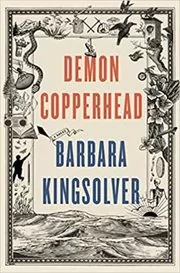
A modern retelling of *David Copperfield* set in the mountains of southern Appalachia. The story follows a boy born into poverty as he navigates foster care, labor, and the opioid crisis. A raw, funny, and devastating look at institutional neglect.

Coyote's Wild Home
by Barbara Kingsolver, Lily Kingsolver & Paul Mirocha
2023
A picture book that weaves together the stories of a young girl and a coyote pup. As they both explore the woods, they learn how to share the same habitat. Co-authored with Lily Kingsolver.
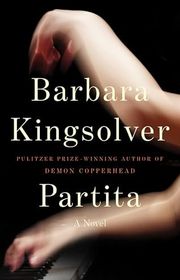
Partita
by Barbara Kingsolver
2026
Set across past and present, the novel follows Livia Cable, whose quiet farm-country life is disrupted when an old lover calls. Remembering her former self as a gifted conservatory pianist, she must face the losses, ambition, and passion that altered her path.
Where to start with Barbara Kingsolver
If you want a modern masterpiece: Demon Copperhead
For a gripping family saga: The Poisonwood Bible
For an uplifting, character-driven story: The Bean Trees → Pigs in Heaven
If you love nature and biology: Prodigal Summer → Flight Behavior
Barbara Kingsolver sub-series and character series
Barbara Kingsolver collections, short stories, and related book types
Short Story Collections
Non-Fiction
Holding the Line: Women in the Great Arizona Mine Strike of 1983
by Barbara Kingsolver
1996Women in the Great Arizona Mine Strike of 1983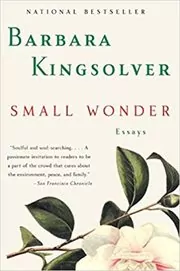
Animal, Vegetable, Miracle: Our Year of Season Eating
by Barbara Kingsolver, Camille Kingsolver, Steven L. Hopp & Lily Hopp Kingsolver
2007Our Year of Season Eating
Faber Stories
Children's
Anthologies
by Dave Marsh, Stephen King, Kathi Kamen Goldmark, Al Cooper, Ridley Pearson, Roy Blount Jr., Joel Selvin, Amy Tan, Dave Barry, Tad Bartimus, Matt Groening, Greil Marcus, Tabitha King, Barbara Kingsolver & Michael Dorris
1994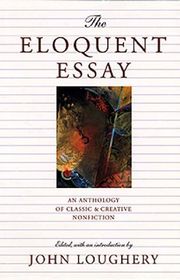
Touchstone Anthology of Contemporary Creative Nonfiction
by Lex Williford, Michael Martone, David Sedaris, Barbara Kingsolver & Amy Tan
2007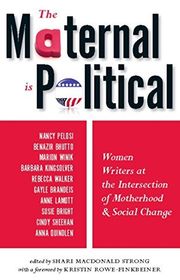
by Orion Magazine Staff, Darra Goldstein, H. Emerson Blake & Barbara Kingsolver
2014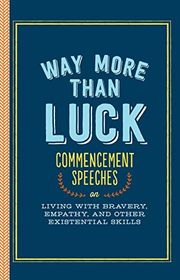
by Bill McKibben, Eugene H. Peterson, N. T. Wright, Elizabeth Lev, Calvin DeWitt, Jane Tyson Clement, Wendell Berry, Barbara Kingsolver, John Reid Muir, Flannery O'Connor, Pope John Paul II & Peter Mommsen
2015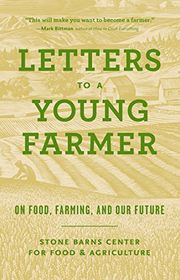
Standalone Barbara Kingsolver books
by Barbara Kingsolver, Camille Kingsolver, Steven L. Hopp & Lily Hopp Kingsolver
2007Our Year of Season Eating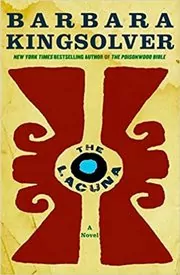
Author bio
Barbara Kingsolver is one of those rare writers who can explain how a biological ecosystem works just as well as she can break your heart with a story. Although she was born in Annapolis, Maryland, she grew up in rural Kentucky. That upbringing gave her a distinct voice that is grounded, observant, and deeply connected to the land.
When she was just seven years old, her life took a sharp and unexpected turn. Her father, a physician, moved the family to the Democratic Republic of the Congo for a public health assignment.
It was a brief stay, but it changed everything for her.
Living without electricity or plumbing in a small village opened her eyes to a much wider world. She saw how people lived outside the United States, and she witnessed the complexities of culture, poverty, and politics up close. That intense experience stayed with her for decades, waiting for the right moment to bloom into fiction.
Interestingly, Kingsolver didn't set out to be a famous novelist. She was a scientist first. She earned degrees in biology and ecology from DePauw University and the University of Arizona. For a while, she worked in those fields, and later as a freelance journalist.
You can still see the biologist in her writing today. In her books, the natural world is never just background scenery. Plants, animals, and weather patterns are often treated with as much care and detail as the human characters.
Her path to fiction began almost by accident. While pregnant with her first child, she suffered from terrible insomnia. To keep herself occupied during those long, sleepless nights, she started writing The Bean Trees. She didn't write it for fame; she wrote it to stay sane. To her surprise, the novel became a hit. Readers fell in love with her warm, funny, and resilient characters.
She followed that success with books like Animal Dreams and Pigs in Heaven. These stories cemented her reputation as a writer who cares deeply about social justice, community, and the places we call home.
Then came The Poisonwood Bible in 1998.
This was the book she had been preparing to write since childhood. It tells the epic, tragic story of a missionary family dragging their American lives into the Belgian Congo. It became a massive bestseller and a finalist for the Pulitzer Prize. Even today, it remains a favorite for book clubs around the world.
Kingsolver has never shied away from difficult topics. Years later, she turned her attention back to her Appalachian roots with Demon Copperhead. This novel reimagines Charles Dickens’s David Copperfield, but sets it in the midst of the modern opioid crisis in Virginia. It gives a voice to a region that is often ignored or stereotyped.
The book was a triumph. It won the Pulitzer Prize for Fiction and the Women’s Prize for Fiction. That second win made history, as she became the first author to ever win the Women's Prize twice.
Today, Kingsolver practices what she preaches. She lives on a farm in southwestern Virginia with her family. They famously spent a year eating only food they grew themselves or bought from local neighbors. She documented that experiment in her memoir Animal, Vegetable, Miracle.
Whether she is writing about distant lands or her own backyard, Kingsolver brings a scientist’s eye and a neighbor’s heart to every page. She continues to remind us that we are all part of a complex, beautiful web of life.





.jpg)



Edited by
Software engineer whose passion for tracking book recommendations from podcasts inspired the creation of MRB.
Lead investor at 3one4 Capital whose startup expertise and love for books helped shape MRB and its growth.
Comments
Did we miss something? Have feedback?
Help us improve this page by sharing your thoughts