
18 Best Astrology Books
The best astrology books, ranked by expert source recommendations, with notes to help you choose beginner workbooks, chart references, and historical traditions.
Our take
Astrology books teach a symbolic language built from planets, signs, houses, and the relationships among them. Authors use that language in different ways: some emphasize personal reflection, others explain a historical tradition, and technical references focus on chart interpretation or astrological timing. Choosing an approach matters, because a reflective guide and an extensive manual may share vocabulary while asking very different things of the reader.
Astrology for Real Life and Astrology for Yourself provide workbook routes into the basics. The Inner Sky emphasizes combining chart elements, while Chart Interpretation Handbook offers a compact reference for synthesis. For a narrower focus, The Twelve Houses and Saturn explore psychological interpretations of particular components. Hellenistic Astrology combines historical context with ancient techniques, and Planets in Transit suits readers already comfortable with natal charts. You Were Born for This puts self-acceptance first. Start with one introductory approach, then choose a specialist book according to the questions that interest you.
18 books · 9 sources · Last updated
As an Amazon Associate, we earn from qualifying purchases (at no extra cost to you).
How to choose from this list
Skip to the full rankingIf you want a workbook introduction: Astrology for Real Life → Astrology for Yourself
If you want to combine chart elements: The Inner Sky → Chart Interpretation Handbook
If you want an illustrated reference: Parkers' Astrology
If you want psychological interpretations: The Twelve Houses → Saturn
If you want history and ancient techniques: Hellenistic Astrology
If you want to study astrological timing: Planets in Transit → Predictive Astrology
The 18 books, ranked
Ranked by how many expert sources name each book. Ties go to the book more people recommend.

Astrology for the Soul
For readers interested in spiritual astrology who want one chart feature explored in depth. The focus on the North Node creates a sustained reflective framework, though its karmic interpretation is a particular belief-based approach rather than a general chart course.
What it's about
Jan Spiller explores the North Node of the Moon as a guide to personal growth within spiritual astrology. Interpretations and exercises connect its birth-chart position with talents, habitual obstacles, relationships, and the life lessons she associates with each placement.

For readers interested in one planet’s symbolism through a psychological lens. The focused reinterpretation gives Saturn more nuance than a short reference entry, though its Jungian assumptions and specialized scope make it a companion rather than a first textbook.
What it's about
Liz Greene reconsiders Saturn through psychological astrology and Jungian ideas. Rather than treating the planet solely as a symbol of restriction and disappointment, she explores how its placement can represent opportunities for self-understanding, responsibility, and personal growth.

For readers who want ancient horoscope astrology placed in historical and philosophical context. The combination of origins and techniques distinguishes it from modern self-reflection guides, though its size and specialized vocabulary demand sustained study.
What it's about
Chris Brennan traces the origins of horoscope astrology in the ancient Mediterranean and explains its philosophical foundations. Historical research accompanies a detailed introduction to Hellenistic techniques, including methods for interpreting birth charts and questions of fate and fortune.

For readers who already understand natal charts and want a reference to transit interpretations. The organized entries make symbolic themes easy to compare, though isolated descriptions need context and are not a complete method for interpreting a life.
What it's about
Robert Hand explains how astrologers interpret moving planets in relation to the natal chart. Organized around planetary transits and aspects, this reference describes symbolic life themes associated with conjunctions, oppositions, squares, trines, and sextiles.

For readers with chart-reading experience who want to study astrological timing methods together. The worked approach links several techniques, though its predictive framework requires prior knowledge and should be read as interpretation rather than certainty.
What it's about
Bernadette Brady introduces techniques astrologers use to interpret unfolding events and personal cycles. Her guide combines explanatory principles with examples involving transits, progressions, planetary returns, and eclipses, showing how these methods work together in predictive astrology.
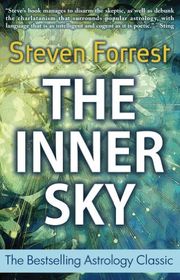
The Inner Sky
For beginners who want to connect separate astrological symbols into a coherent reading. The step-by-step emphasis on synthesis offers more continuity than a dictionary, though its choice-centered, evolutionary approach represents a particular interpretive tradition.
What it's about
Steven Forrest introduces signs, planets, houses, and aspects, then explains how to combine them in a birth-chart interpretation. His approach emphasizes symbolic meaning, personal choice, and individual development within the framework of evolutionary astrology.

The Twelve Houses
For readers who know the planets and signs but want to think more carefully about houses. The psychological approach gives each life area interpretive texture, though it reflects one school and works best with basic chart knowledge.
What it's about
Howard Sasportas examines the twelve astrological houses as symbols of different areas of life and psychological experience. He explores how planets placed within them contribute to chart interpretation, emphasizing the individual meaning of a person's birth time and location.

For self-directed beginners who want to build an interpretation of their own chart gradually. The exercises make the learning process personal and active, though the workbook format requires more participation than browsing a reference entry.
What it's about
Demetra George and Douglas Bloch introduce astrology through self-directed workbook exercises. Readers learn its terminology and build an interpretation of their own birth chart, using the process to explore themes of personality and personal development.
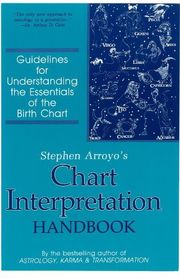
Chart Interpretation Handbook: Guidelines for Understanding the Essentials of the Birth Chart
For readers who know basic chart components and want a compact guide to bringing them together. The emphasis on elements and synthesis organizes interpretation, though the concise entries work better with prior familiarity than as an entirely self-contained course.
What it's about
Stephen Arroyo outlines a method for interpreting birth charts through elements, signs, planets, houses, and aspects. The handbook combines concise descriptions with guidance on synthesis, presenting a psychological approach to finding relationships among a chart’s different components.

For readers interested in the philosophical ambitions of archetypal astrology. The broad connections among cultural history and planetary cycles provide a sustained thesis, though it is a long interpretive argument rather than a practical beginner manual.
What it's about
Richard Tarnas proposes connections between planetary cycles and major developments in human history. Drawing on philosophy, psychology, and cultural events, he presents an archetypal approach to astrology and argues for a cosmos imbued with meaning.

The Essential Guide to Practical Astrology
Everything from zodiac signs to prediction, made easy and entertaining
For readers who want a broad introduction before specializing in a particular technique. The approachable explanations connect basic chart elements with later timing methods, though the wide scope leaves less depth than a dedicated reference.
What it's about
April Elliott Kent introduces astrology through clear explanations of signs, planets, houses, and aspects. Practical exercises help readers construct and interpret birth charts, while later material explores astrological timing and ways to apply the framework to everyday planning.

The Only Astrology Book You'll Ever Need
For beginners who want a broad reference to the vocabulary and components of modern astrology. The tables and interpretive sections encourage exploration, though the ambitious title overstates how fully one volume can represent the subject’s differing traditions.
What it's about
Joanna Martine Woolfolk introduces modern astrology through sun signs, moon signs, ascendants, planets, and houses. Instructions and tables help readers construct their own birth charts, while interpretations explore the personality and relationship themes associated with different placements.

For readers who want astrology presented through self-acceptance and reflective prompts. The personal exercises make the material approachable without treating a chart as a fixed verdict, though it offers less technical breadth than a conventional manual.
What it's about
Chani Nicholas approaches astrology as a practice of self-acceptance rather than a fixed judgment of character. Birth-chart interpretation, reflection prompts, and affirmations encourage readers to explore their particular strengths, challenges, and possibilities through an astrological framework.

Astrological Insights into Personality
For readers interested in psychological astrology and its interpretations of family patterns. The focus connects separate chart elements into a personality-oriented reading, though its assumptions should be understood as the author’s interpretive framework rather than clinical assessment.
What it's about
Betty Lundsted interprets natal charts through a psychological lens, connecting signs, planets, houses, and aspects with personality and childhood family patterns. She explores how readers might understand difficult dynamics and use challenging chart aspects as themes for personal growth.

Parkers' Astrology
The Definitive Guide to Using Astrology in Every Aspect of Your Life
For visually oriented learners who want an illustrated overview with practical chart instructions. The reference format supports returning to individual topics, though its breadth and numerous interpretive entries can feel dense on a first reading.
What it's about
Julia and Derek Parker introduce the signs, planets, and other elements used to interpret an astrological birth chart. Illustrated explanations and practical instructions explore how their approach to astrology applies to personality, relationships, and everyday decisions.

The Astrology of You and Me
How to Understand and Improve Every Relationship in Your Life
For casual readers who want an accessible astrology-themed approach to everyday relationships. The organization around work, friendship, and romance makes it easy to browse, though sign-based profiles simplify people far more than a full chart reading would.
What it's about
Gary Goldschneider offers advice on relationships through the framework of the twelve zodiac signs. Organized around work, friendship, and romance, the book applies astrological personality profiles to communication, conflict, and getting along with people in everyday life.

For readers who want a visually inviting introduction centered on reflection. The illustrations and accessible language make the symbolic framework approachable, though the emphasis on personal meaning leaves less room for technical or historical detail.
What it's about
Juliana McCarthy introduces the symbolic language of astrology as a tool for reflection and self-understanding. Illustrated by Alejandro Cardenas, the guide explains the zodiac and birth charts, connecting their elements with patterns of personality, relationships, and personal development.

For beginners who want to practice as they read. The workbook structure turns terminology into exercises using a chart, though the informal teaching style prioritizes accessibility over a detailed history or advanced technical reference.
What it's about
Theresa Reed introduces birth-chart interpretation through a workbook of explanations and exercises. Lessons cover signs, planets, houses, and aspects, helping beginners practice reading their own charts and consider astrology as a tool for self-reflection.
Sources
- 1
14 Best Books on Astrology 2019
nymag.com
- 2
15 Best Astrology Books for Zodiac Lovers of All Time
oprahdaily.com
- 3
The 15 Best Astrology Books To Add To Your Shelves This Year
mindbodygreen.com
- 4
Buy Astrology Books: Recommendations
cafeastrology.com
- 5
The Best Astrology Books to Start Reading
penguinrandomhouse.com
- 6
Astrology Books
goodreads.com
- 7
Best Astrology Books
reddit.com
- 8
Book Recommendations to scale up
reddit.com
- 9
Recommended Astrology Books
astrology.org.uk









Edited by
Software engineer whose passion for tracking book recommendations from podcasts inspired the creation of MRB.
Lead investor at 3one4 Capital whose startup expertise and love for books helped shape MRB and its growth.
Comments
Spotted a missing book, a wrong order or a mistake? Tell us and we'll fix this page.
We're a reading guide, not the author or publisher, so we can't send books or pass on messages.